

Chicago Botanic Garden
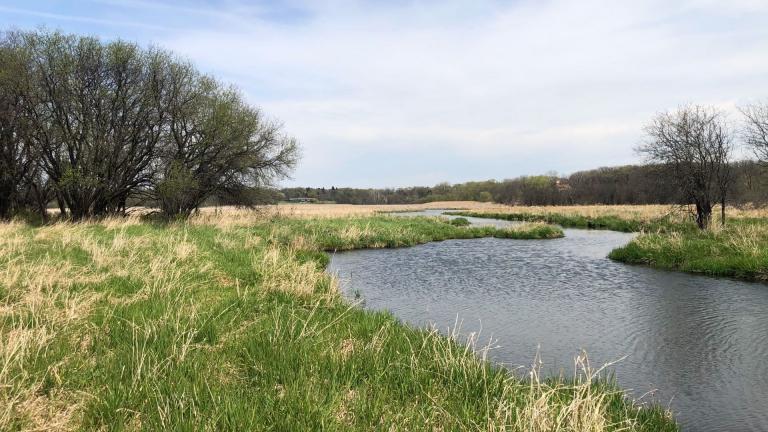
A new report outlines investments made by the forest preserve district between 2023 and 2025 that wouldn’t have happened without additional tax dollars.
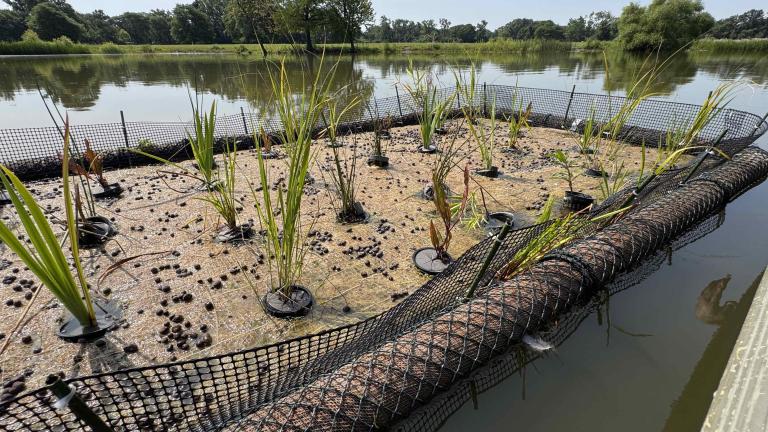
The Cook County Forest Preserves Fisheries Division is piloting a nature-based solution to treat a water quality issue.
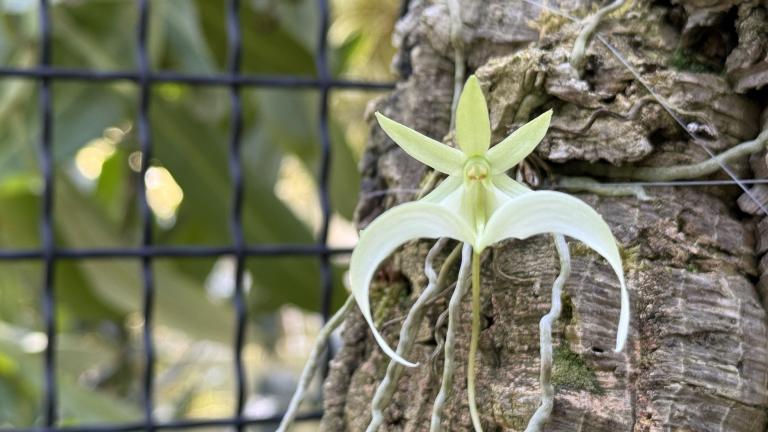
The rare ghost orchid bloom will be on public display at the garden’s Tropical Greenhouse through May 25.
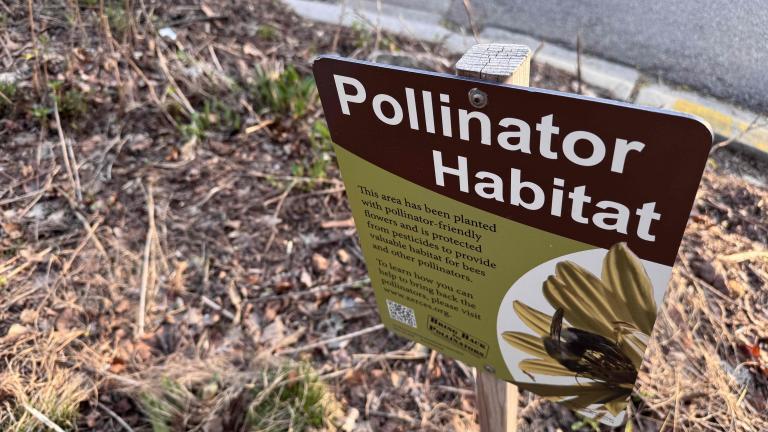
There’s a divide in the pollinator gardening movement between those who advocate for nothing but native plantings and those whose standards are less rigid. New research suggests there’s a middle ground.
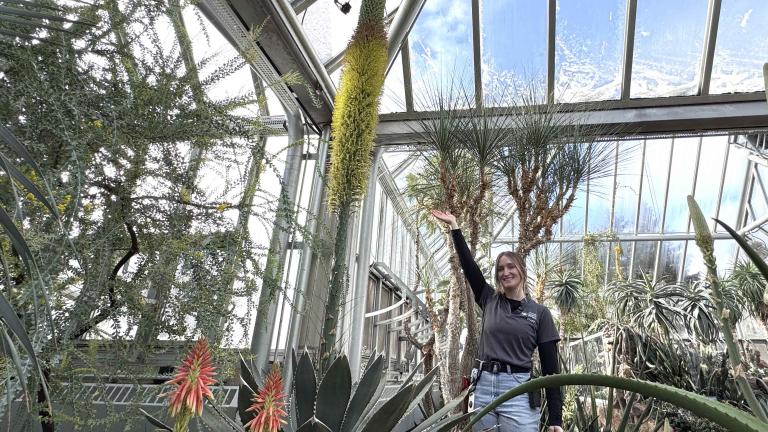
It’s always summer in the Chicago Botanic Garden’s arid greenhouse, where the view is unlike anywhere else in the world.
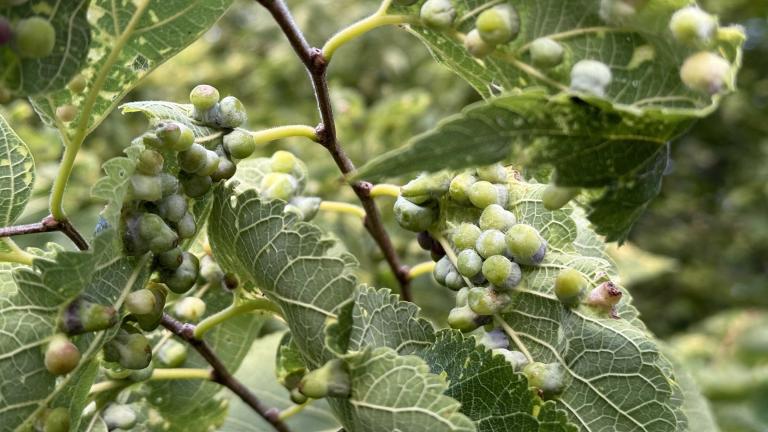
Ever seen a tree that looks like its leaves have sprouted warts or are suffering from a really bad rash? Welcome to the wild, wonderful world of plant oddities known as galls.
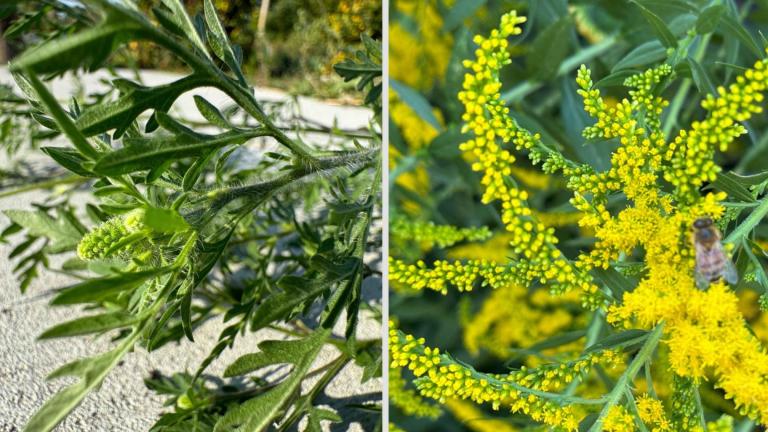
If your fall allergies have kicked in, ragweed is the likely culprit, but goldenrod often takes the blame.
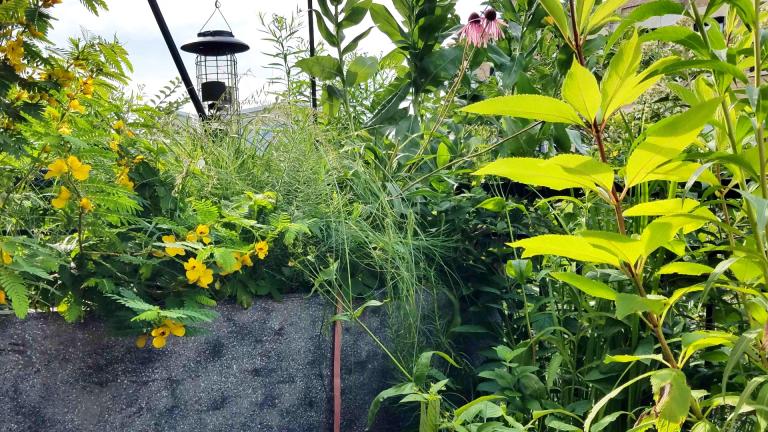
Jeremie Fant, director of conservation at Chicago Botanic Garden, has spent 15 years experimenting with growing native plants in containers on his 10-foot by 5-foot Chicago condo balcony.
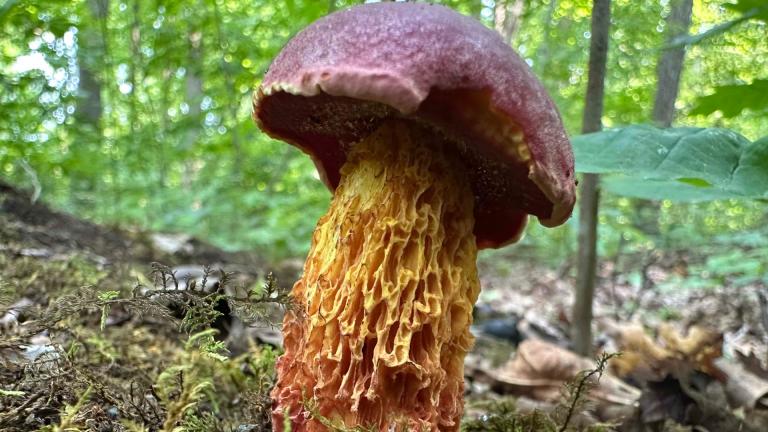
Locally foraged fungi — in all their fascinating, weird and beautiful-ugly forms — will take center stage Sunday at the Illinois Mycological Association’s annual mushroom show.
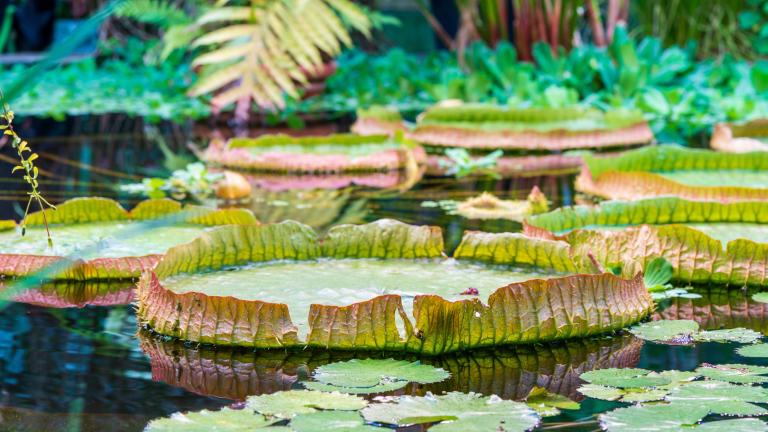
Now in its third year, the Waterlily Weigh-Off has bulked up to more than 40 competitors across eight countries. The winner will be announced Aug. 28.
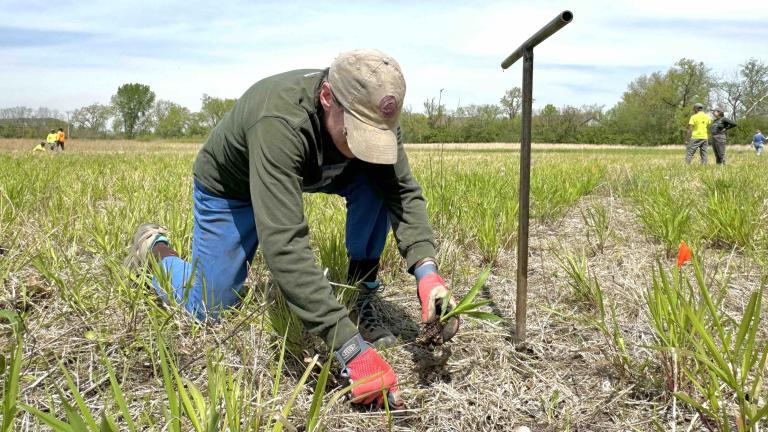
Cook County Forest Preserves is on a mission to restore 30,000 acres of habitat to high-quality condition by the year 2030. There’s just one tiny little problem: a lack of native seed.
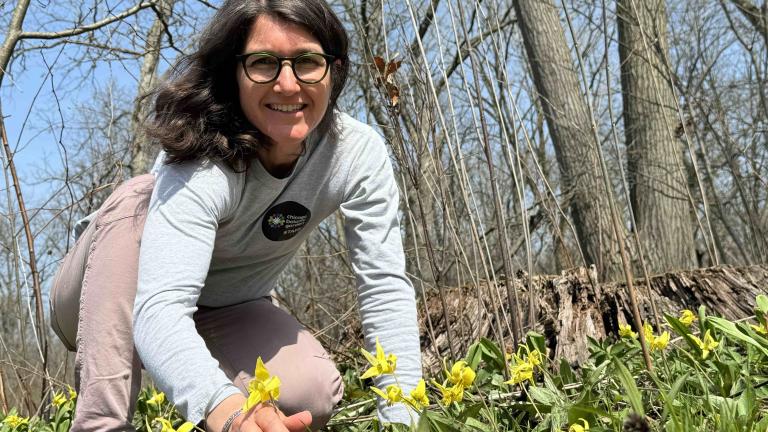
Illinois’ Rare Plants Have a Fighting Chance of Survival Thanks to This Volunteer Monitoring Program
The community science program Plants of Concern is designed to keep Illinois’ rare plants from going extinct.
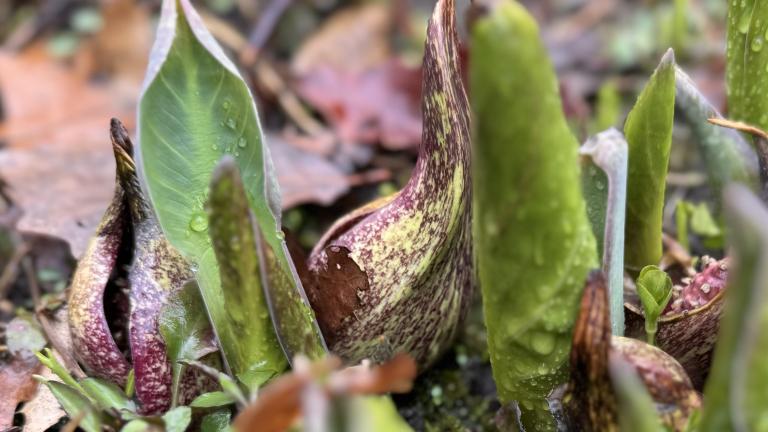
Skunk cabbage is the first native wildflower to emerge in Chicago’s woodlands in spring. Other ephemerals will follow, blooming briefly on the forest floor before disappearing for another year.
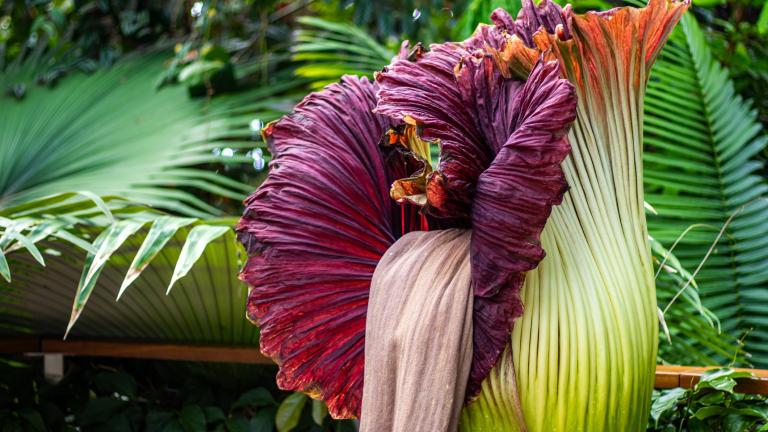
Newly published research suggests that despite all the pampering corpse flower plants receive from their curators, conservation efforts have fallen short in one key area that threatens the species’ survival in captivity as much as in the wild.
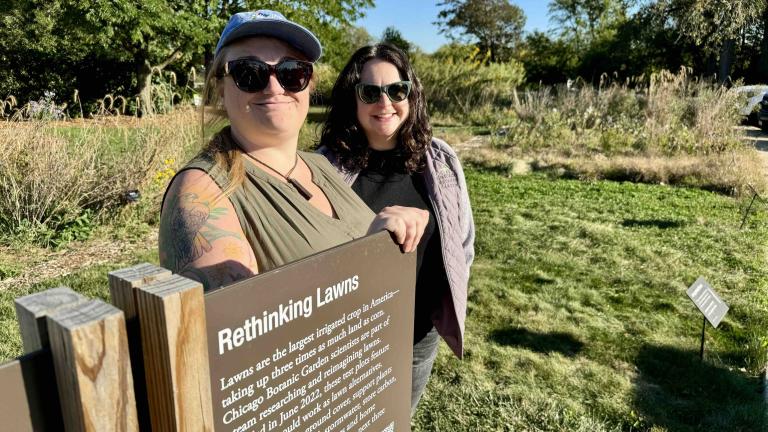
Researchers at the Chicago Botanic Garden and Chicago Park District have teamed up on a project to answer one of ecology’s burning questions: What could lawns be besides grass?
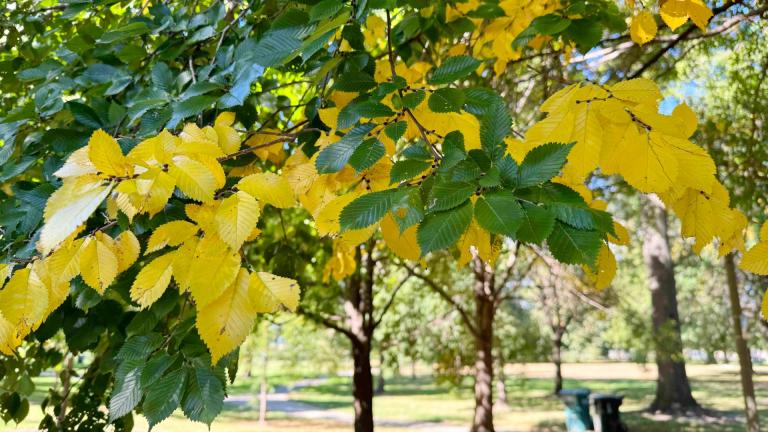
“This has been kind of an extreme and somewhat stressful year for a lot of plants,” said Tom Tiddens, supervisor of plant health care at the Chicago Botanic Garden.
Trending
A CTA Bus Driver Was Attacked on the Job. She Was Later Fired While on Leave

Cost to Resolve Lawsuits Tied to Disgraced Ex-CPD Detective Reynaldo Guevara Tops $473M, With 25 Lawsuits Pending

Pritzker, Bailey Square Off in Contentious Discussion Over Taxes, Trump and Bears

Top Cop Agrees to Fire Chicago Police Officer Who Repeatedly Used Racial Slurs: Records

Changes Are Coming to CTA, Metra and Pace. Hear From the Leaders of Their New Oversight Agency

Sign up for the WTTW News newsletter