

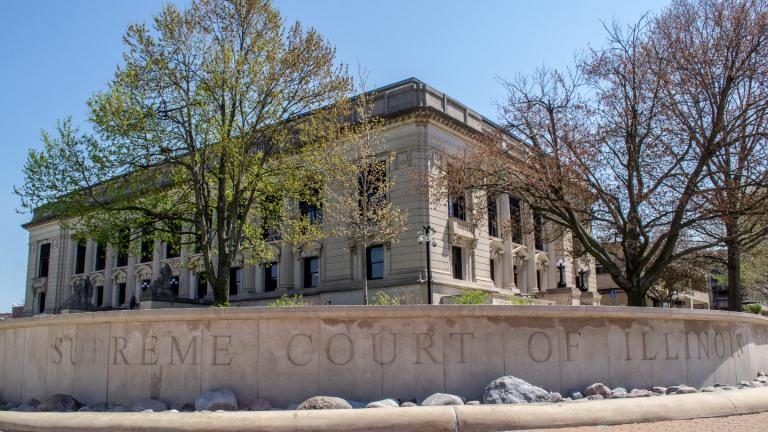
Illinois Supreme Court
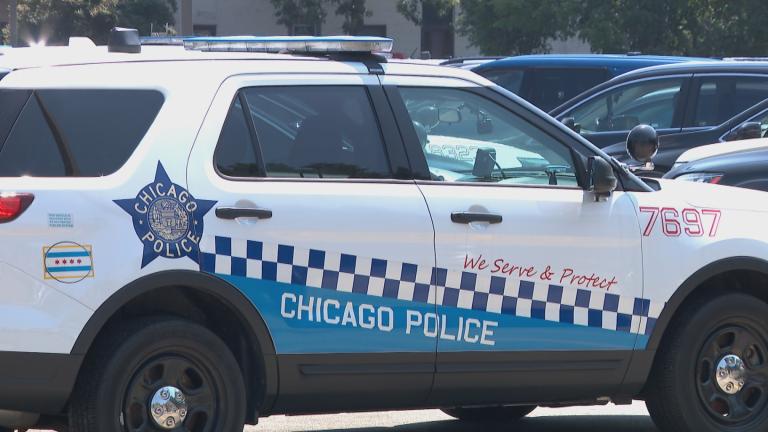
Chicago taxpayers have already spent at least $52 million since the start of 2026 to settle nine lawsuits brought by people who were injured or on behalf of those killed during police pursuits, according to an analysis of city data by WTTW News.
The Illinois Supreme Court could decide the case that has frozen the system Chicago officials used for 60 years to hold accountable officers accused of the most egregious misconduct before the end of the year.

The Illinois Supreme Court will hold oral arguments Thursday amid a legal dispute between the city of Chicago and the city’s largest police union that has lasted for more than two years.
Until the Supreme Court rules, 31 cases will remain in limbo — including three that seek to terminate officers who caused the deaths of Chicagoans, record show.
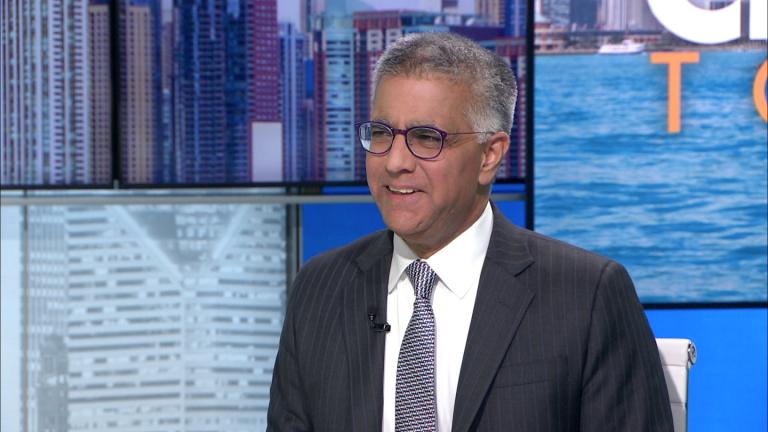
“The way I see our role is not only to decide these very important issues for society, but also, perhaps more importantly, to ensure there is a high level of public confidence in the courts,” Justice Sanjay Tailor said.
The ruling is based on a civil suit brought against Amazon by two former employees after they were not compensated for pre-shift health screenings during the COVID-19 pandemic.
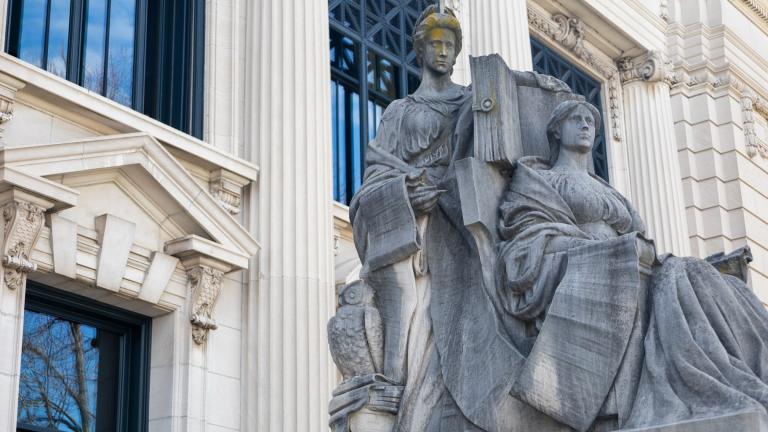
The Illinois Supreme Court is set to weigh in next year on whether serious Chicago Police Department misconduct cases must be heard publicly.
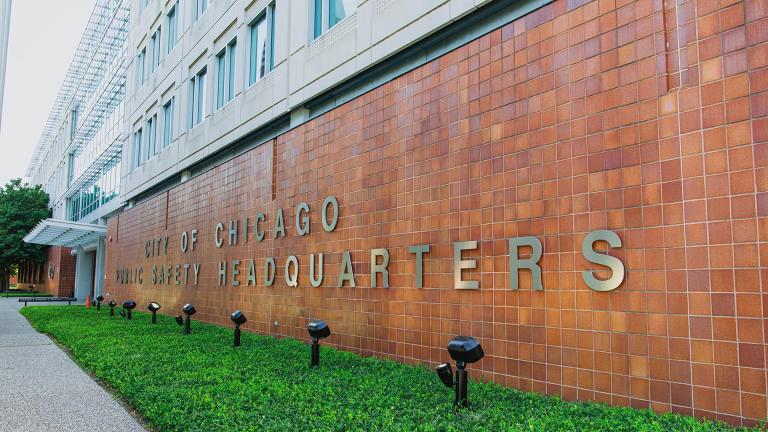
The decision by the state’s highest court keeps the system Chicago officials used for 60 years to hold officers accused of the most egregious misconduct in a deep freeze. Oral arguments will take place in 2026.
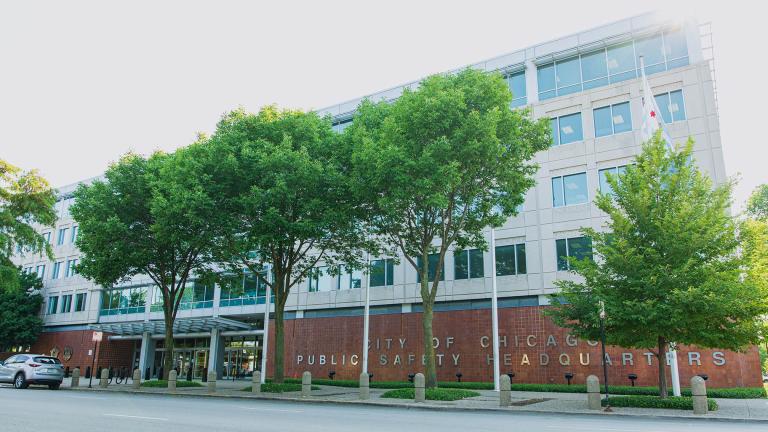
An appeals court ruled last month that Chicago police officers accused of serious misconduct have the right to ask an arbitrator — and not the Chicago Police Board — to decide their fate, but those proceedings must take place in public.
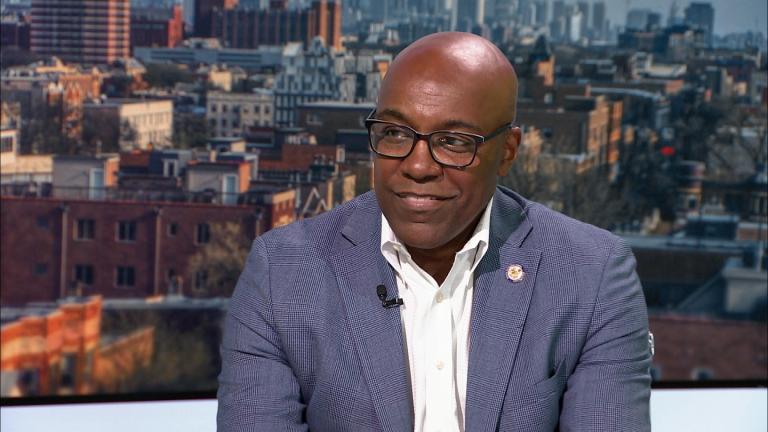
Neville, who has served on the high court for the past seven years, will take over for current Chief Justice Mary Jane Theis beginning in October. He’ll become the second Black chief justice in Illinois history.
Senate Bill 1181 explicitly adds news media as an entity protected under the state’s Citizen Participation Act, which prohibits “strategic lawsuits against public participation.”
Illinois lawmakers are seeking to extend lawsuit protections to regular news reports following a recent ruling by the state’s Supreme Court that allowed a defamation suit against the Chicago Sun-Times to progress.
House Republican Leader Tony McCombie, R-Savanna, along with a group of individual voters, asked the court to reject the current legislative map for its partisan bias and lack of compactness. House Republicans wanted the court to appoint a special master redraw the districts.
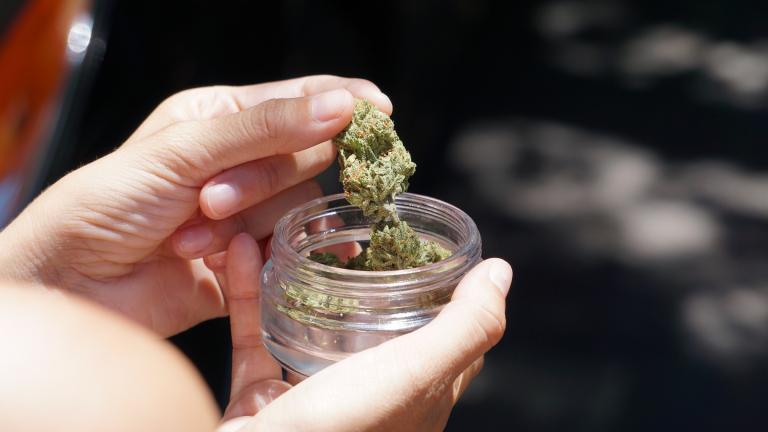
The bill comes after the Illinois Supreme Court issued a pair of rulings last year. The court ruled in September that the smell of burnt cannabis did not give police probable cause to search a vehicle, but three months later ruled the smell of raw cannabis was probable cause for a search.
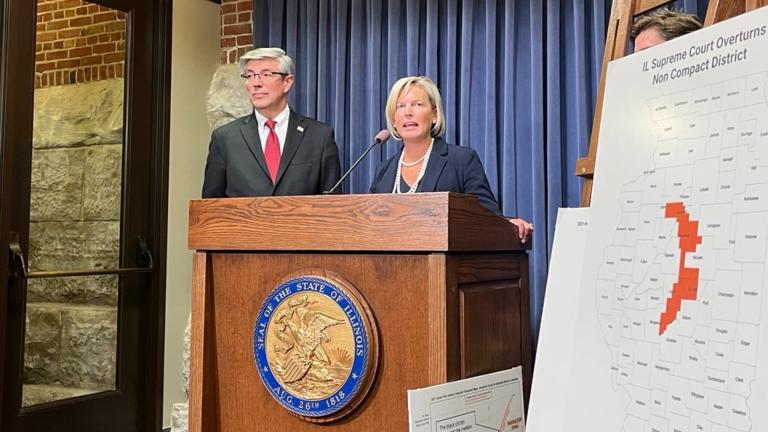
Republicans argue the map is an example of “extreme partisan gerrymandering,” which renders it unconstitutional under state law.
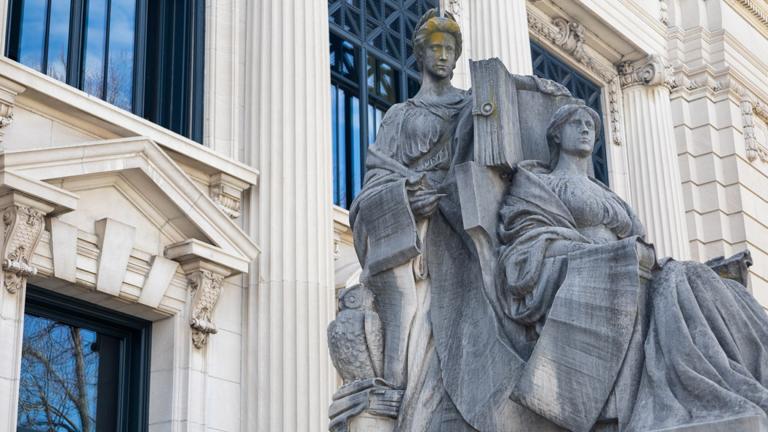
The Illinois Supreme Court on Wednesday heard arguments in a case centered on whether a state law passed in 2023 violates the due process rights of Illinoisans outside Sangamon and Cook counties.
A 2023 law restricts certain types of lawsuits – namely challenges to a law’s constitutionality – to courts in those two counties. The law came in response to challenges to the state’s COVID-19 response, a state law ending cash bail and the state’s ban on assault weapons, among others.
Trending
Pair of Chicago Elementary Schools Named Top in Illinois in New U.S. News Rankings

Mother-Son Reunions Among Latest Milestones for Shedd’s Rescued Belugas

Migration Mass Casualty With At Least 1,000 Birds Injured or Killed This Weekend in Chicago and on Northwestern’s Campus

Early Voting for November General Election Expands in Chicago, Suburban Cook County
Giannoulias, Quigley, Wilson — But Not Johnson — Among First to File Signatures Ahead of Chicago’s February Mayoral Election
Sign up for the WTTW News newsletter