

War
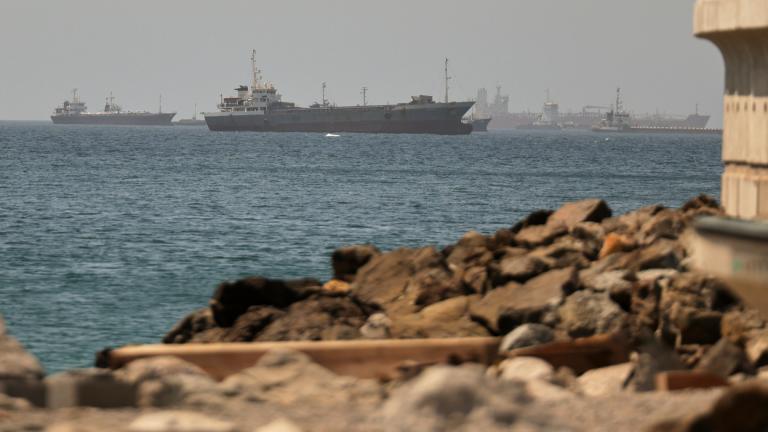

The U.S. and Iran are still debating terms of an interim peace deal, including issues such as getting ships through the narrow mouth of the Persian Gulf and addressing the future of Iran’s stockpile of highly enriched uranium.
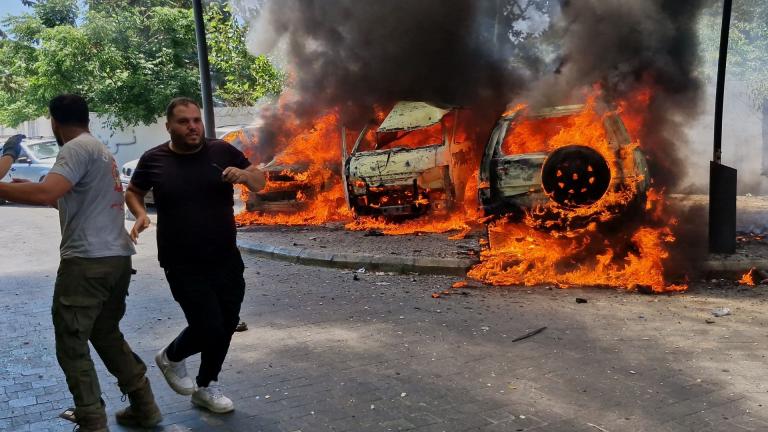
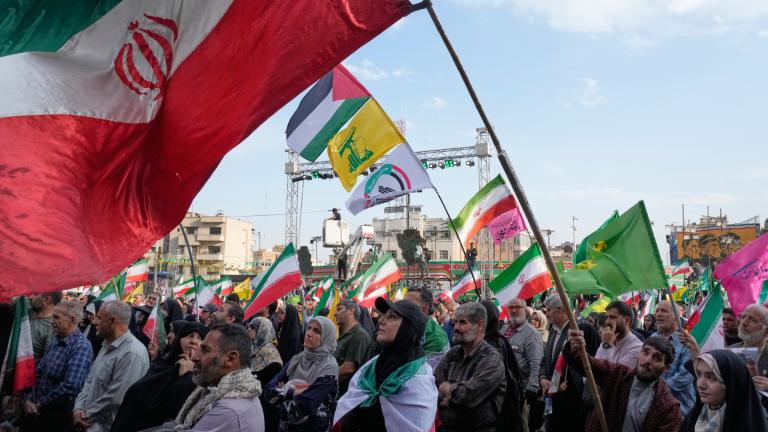
U.S. President Donald Trump threatened Thursday to launch major strikes on Iran and seize control of its oil industry as escalating attacks between the countries pushed the Middle East closer to the resumption of a full-scale war.
Four weeks into the ceasefire that has largely halted fighting in Iran, the U.S. and Iran remain locked in a standoff over the Strait of Hormuz, through which a fifth of the world’s traded oil and gas passes in peacetime.
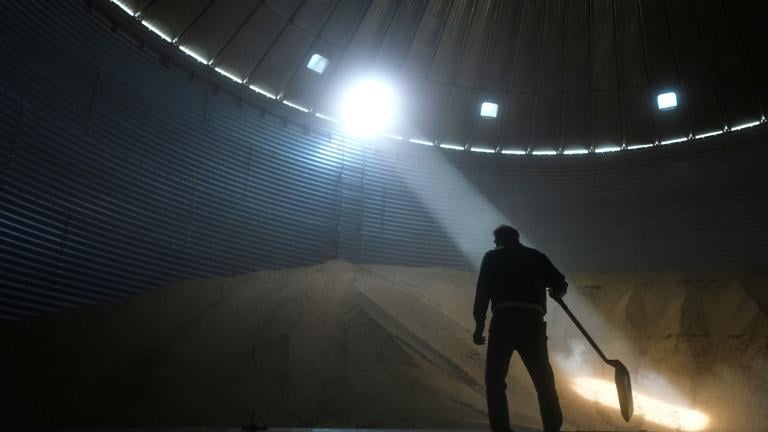
The high cost of fuel, equipment, and fertilizer — compounded by the Iran war — and also tariffs, perceived “price gouging” by suppliers, and low soybean prices driven by a global supply glut.
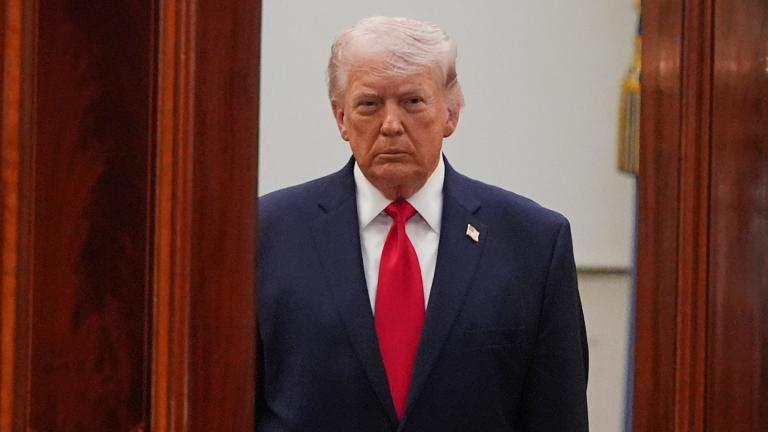
“It’s not possible for us to take care of day care, Medicaid, Medicare — all these individual things,” President Donald Trump said. “They can do it on a state basis. You can’t do it on a federal.”
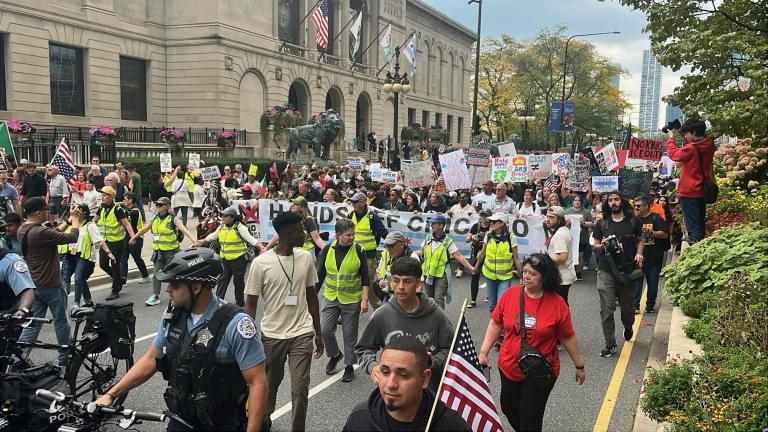
Saturday’s day of action is expected to include millions of protesters in more than 3,000 planned demonstrations across the U.S., including a handful of events in Chicago and the surrounding suburbs.

The national average price for a gallon of regular unleaded gasoline is on the verge of hitting $4 for the first time since 2022.

Iran’s response to the surprise Israeli and U.S. bombardment that started 12 days ago has upended trade routes, choked supplies of fuel and fertilizer coming out of the Gulf and threatened air traffic through one of the world’s most-traveled regions. Both sides have dug in, hoping to outlast the other.
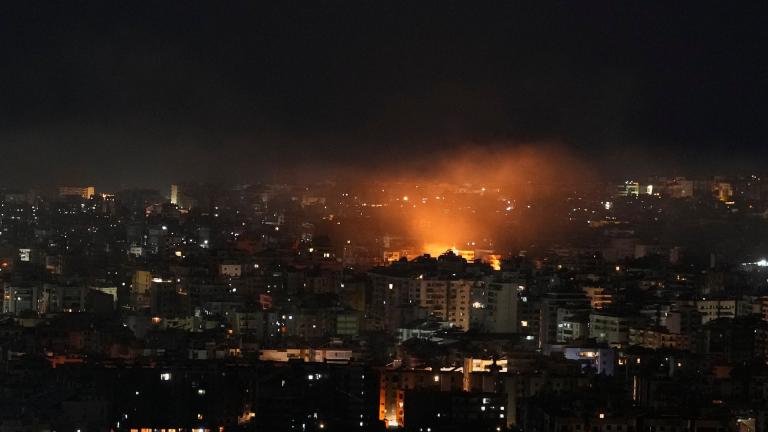
There was no sign of the war letting up on its seventh day, as U.S. President Donald Trump appeared to rule out negotiations with Iran and called for its “unconditional surrender.“
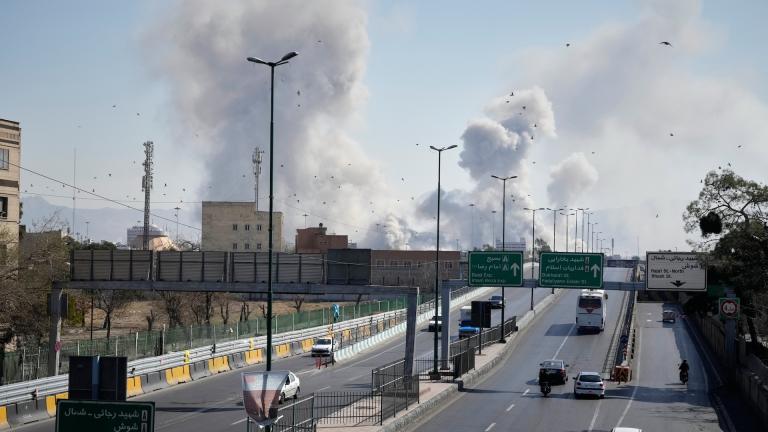
The war has escalated each day, affecting an additional 14 countries across the Middle East and beyond.
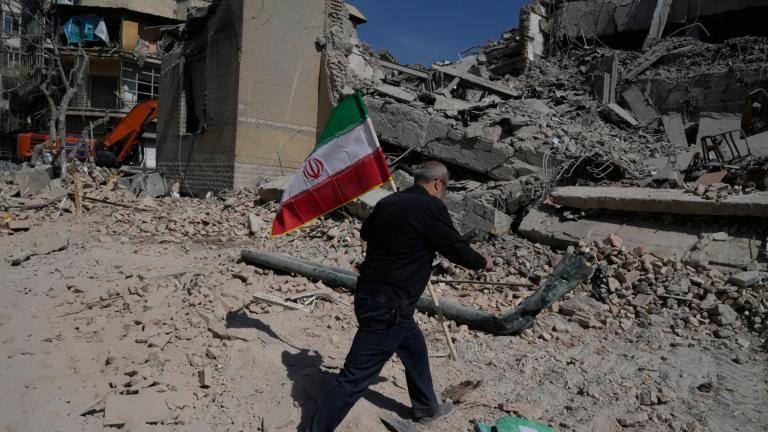
The U.S. and Israel launched the war Saturday, targeting Iran’s leadership, missile arsenal and nuclear program while suggesting that toppling the government is a goal. But the exact aims and timelines have repeatedly shifted, signaling an open-ended conflict.
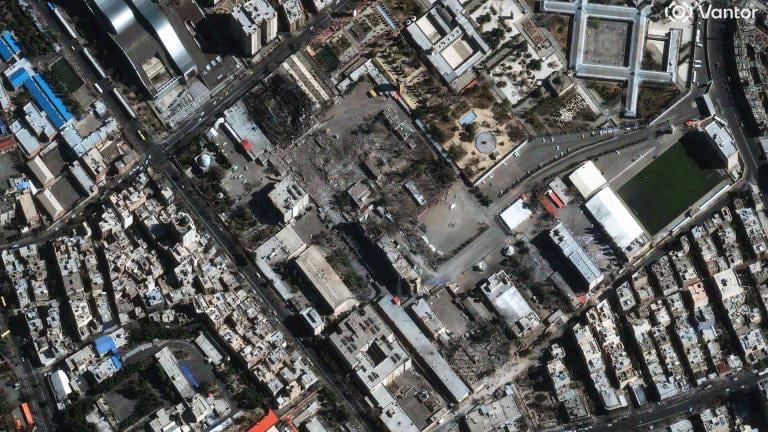
The war has killed more than 1,000 people in Iran, more than 70 in Lebanon and around a dozen in Israel, according to officials in those countries. It has disrupted the supply of the world’s oil and gas, snarled international shipping and stranded hundreds of thousands of travelers in the Middle East.
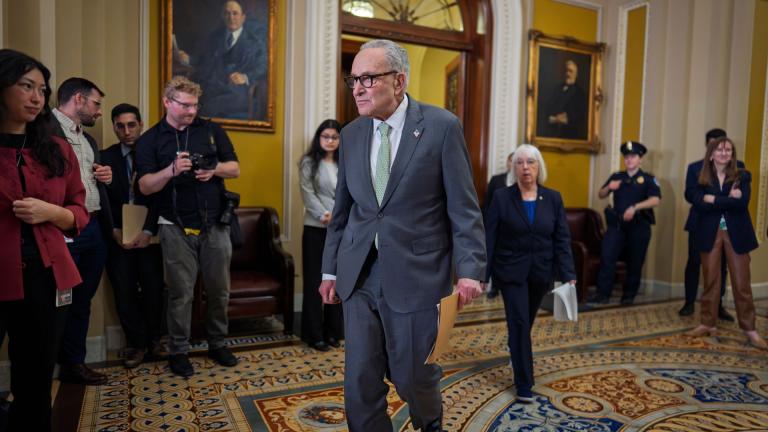
The war powers resolution gave lawmakers an opportunity to demand congressional approval before any further attacks are carried out. The vote forced them to take a stand on a war shaping the fate of U.S. military members, countless other lives and the future of the region.
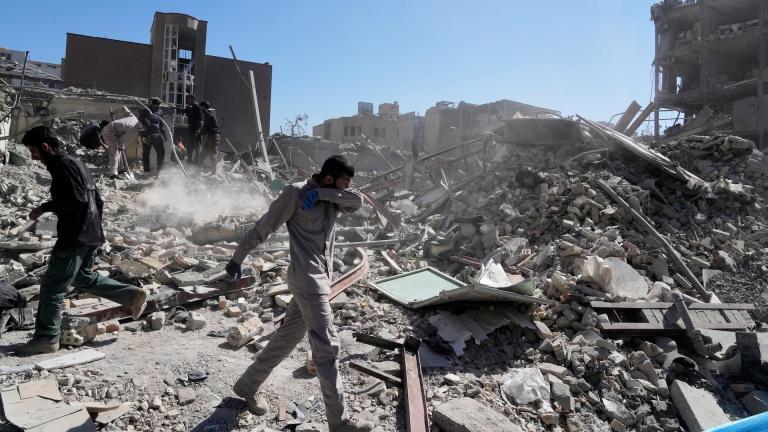
Four days into a war that President Donald Trump suggested would last several weeks but perhaps longer, nearly 800 people have been killed in Iran, including some Trump said he had considered as possible future leaders of the country.
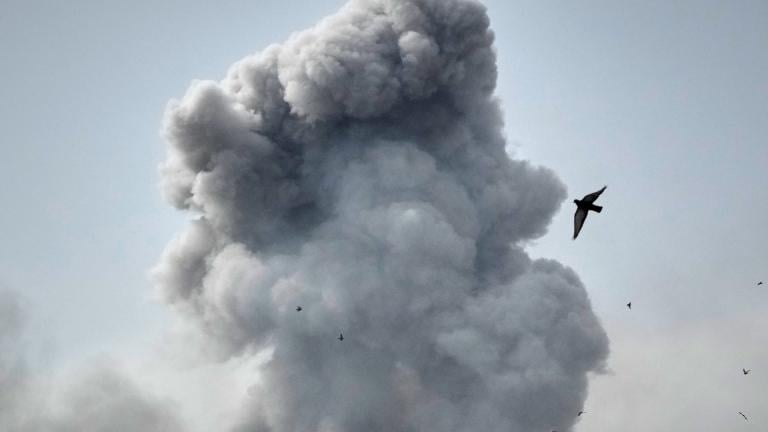
The war in the Middle East spiraled further Monday as Israel and the U.S. pounded Iran. Tehran and its allies hit back against Israel and targets critical to the world’s production of oil and natural gas.
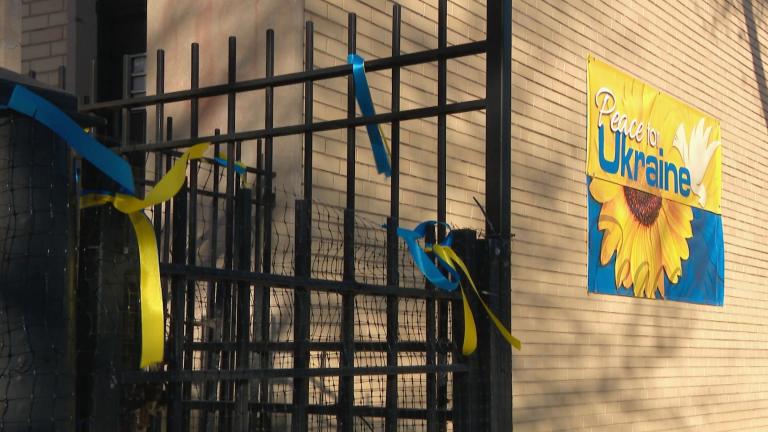
Monday marks three years since Russia launched an invasion of Ukraine, resulting in thousands of people being killed and millions displaced. Chicago’s Ukrainian Village is home to one of the largest populations of Ukrainians in the U.S.
Trending
Pair of Chicago Elementary Schools Named Top in Illinois in New U.S. News Rankings

Mother-Son Reunions Among Latest Milestones for Shedd’s Rescued Belugas

Migration Mass Casualty With At Least 1,000 Birds Injured or Killed This Weekend in Chicago and on Northwestern’s Campus

Giannoulias, Quigley, Wilson — But Not Johnson — Among First to File Signatures Ahead of Chicago’s February Mayoral Election
Early Voting for November General Election Expands in Chicago, Suburban Cook County

Sign up for the WTTW News newsletter