

Supreme Court
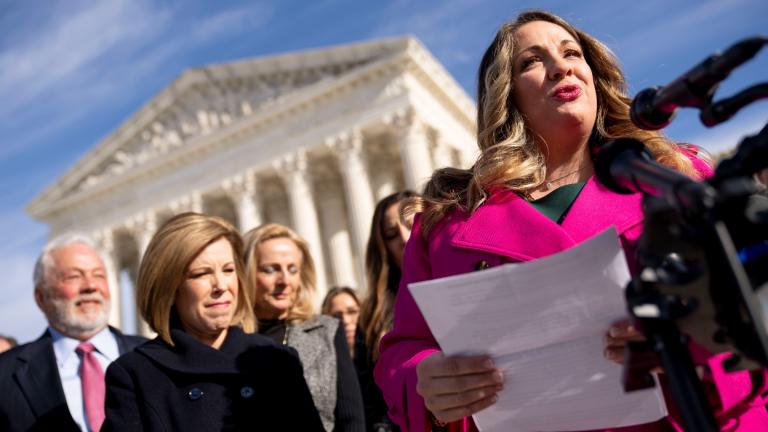
The court ruled 6-3 for designer Lorie Smith despite a Colorado law that bars discrimination based on sexual orientation, race, gender and other characteristics. Smith had argued that the law violates her free speech rights.
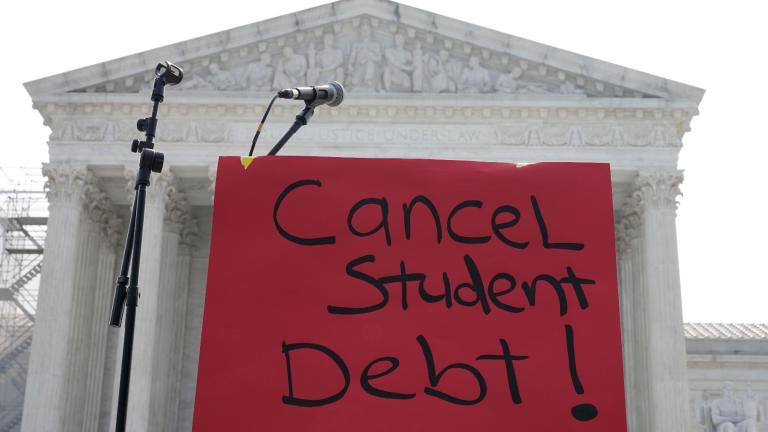
The 6-3 decision, with conservative justices in the majority, effectively killed the $400 billion plan, announced by President Joe Biden last year, and left borrowers on the hook for repayments that are expected to resume by late summer.
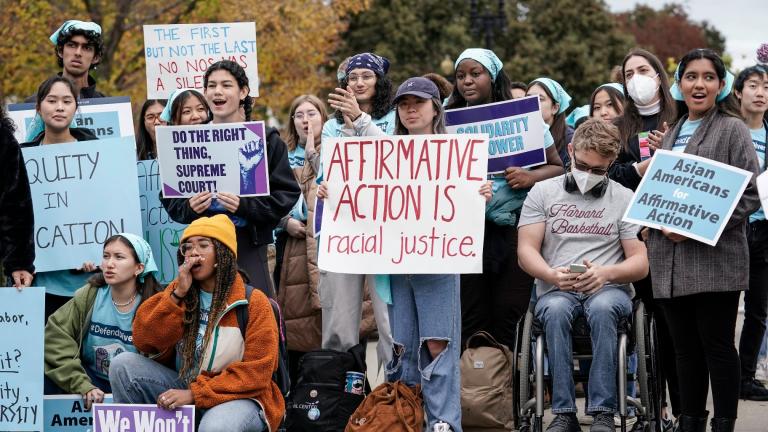

The court's conservative majority overturned admissions plans at Harvard and the University of North Carolina, the nation's oldest private and public colleges, respectively.

This Saturday marks one year since the U.S. Supreme Court’s decision on Dobbs v. Jackson Women’s Health Organization, which reversed the 50-year-old Roe v. Wade decision. Since then, many people have flocked to Illinois in search of abortion access.
A ProPublica article states that in July 2008 Supreme Court Justice Samuel Alito flew to a remote corner of Alaska aboard the private plane of businessman and Republican donor, Paul Singer. A hedge fund founded by the billionaire has brought roughly a dozen cases before the court since then. Alito did not recuse himself from participating in any of those cases.
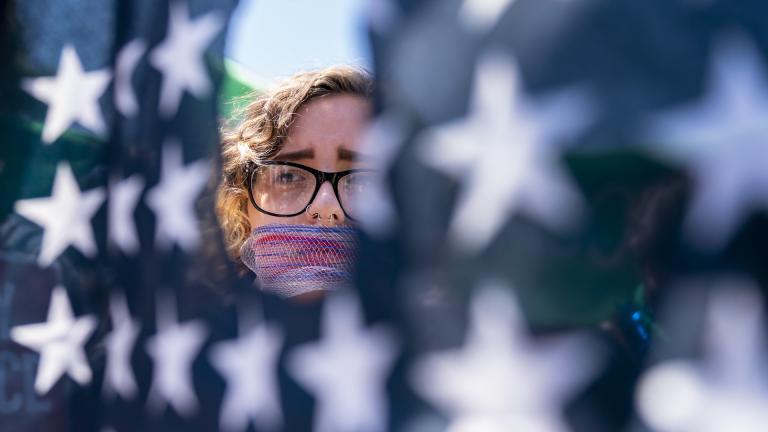
A Year After Fall of Roe, 25 Million Women Live in States With Abortion Bans or Tighter Restrictions
One year ago Saturday, the U.S. Supreme Court rescinded a five-decade-old right to abortion, prompting a seismic shift in debates about politics, values, freedom and fairness.

A U.S. Supreme Court ruling that narrows the Clean Water Act’s authority to regulate certain wetlands has met with disappointment, frustration and head-scratching among Great Lakes environmentalists.
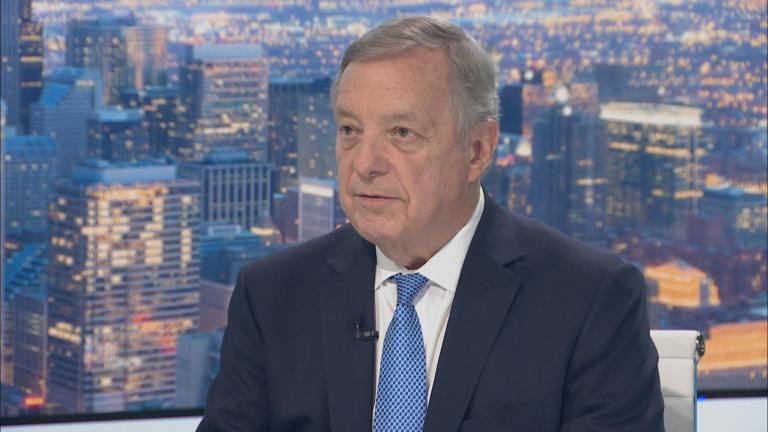
U.S. Sen. Dick Durbin joined “Chicago Tonight” to talk about ethics reforms at the high court, the growing migrant crisis and the possibility that the federal government could default on the national debt.

The court denied an emergency request from groups challenging the law, which bans so-called assault weapons. The law’s opponents had asked the high court to put the law on hold while a court challenge continues.

The gun rights advocates are challenging both a city ordinance passed last year by Naperville that bans the sale of assault rifles, and an Illinois state law enacted this year prohibiting the sale and possession of assault weapons and magazines.
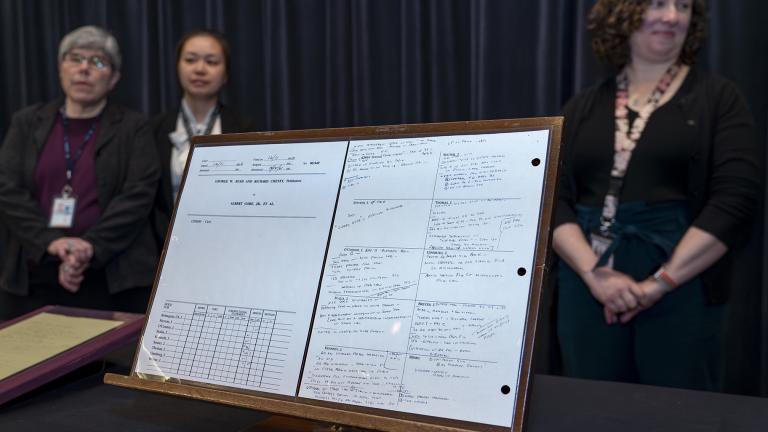
Supreme Court Justice John Paul Stevens, who died in 2019, served on the court for nearly 35 years. In that time, the court decided cases on issues including abortion, affirmative action, presidential power, gun rights and the rights of prisoners held at the Guantanamo Bay, Cuba, detention center.

A band of young women — most in their 20s, some in college, some married with children — banded together in Chicago to create an underground abortion network. The group was officially created in 1969 as the “Abortion Counseling Service of Women’s Liberation.”

The justices granted emergency requests from the Biden administration and New York-based Danco Laboratories, maker of the drug mifepristone. They are appealing a lower court ruling that would roll back Food and Drug Administration approval of mifepristone.

The call comes after Senate Democrats have raised questions about whether the ethical standards of the high court need to be reviewed or change in the wake of a ProPublica report that found Justice Clarence Thomas has gone on several luxury trips involving travel subsidized by GOP megadonor Harlan Crow.
The justices are expected to issue an order on Wednesday in a fast-moving case from Texas in which abortion opponents are seeking to roll back Food and Drug Administration approval of the drug, mifepristone.
In an order signed by Justice Samuel Alito, the court put a five-day pause on the fast-moving case so the justices can decide whether lower court rulings restricting the FDA’s approval of the drug should be allowed to take effect in the short term.
Trending
Who Is Running, or Thinking About Running, to Become Chicago’s Next Mayor

Suspend CPD Officers, Sergeant Repeatedly Accused of Making Improper Traffic Stops for a Combined 330 Days: Police Brass

Johnson’s Debt Refinancing Plan Results in Just Half of What He Promised, Forcing Officials to Scramble to Fill Budget Gap

Hilario Dominguez, Candidate for CPS Board President, Defends Conduct as Watchdog Reopens Probe Into Inappropriate Behavior Allegations

No Tax Hikes or Layoffs Needed to Close Cook County’s $550M Gap Thanks to ‘Budget Magic’: Preckwinkle

Sign up for the WTTW News newsletter