

Supreme Court
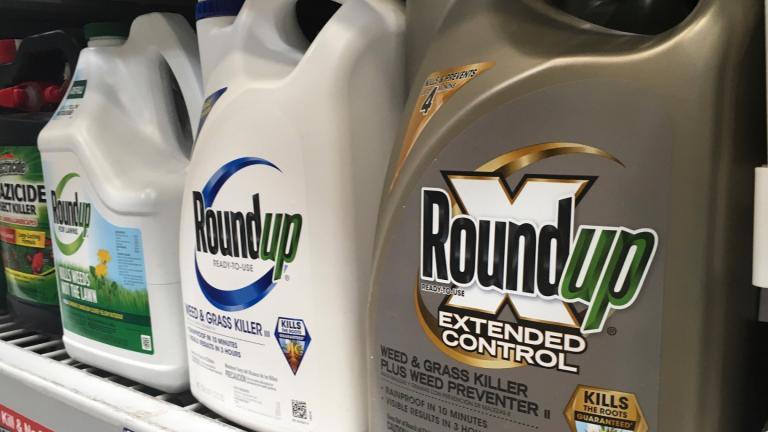
The Supreme Court sided with the maker of the Roundup weedkiller Thursday in a ruling expected to block thousands of lawsuits alleging it failed to warn people the product could cause cancer.
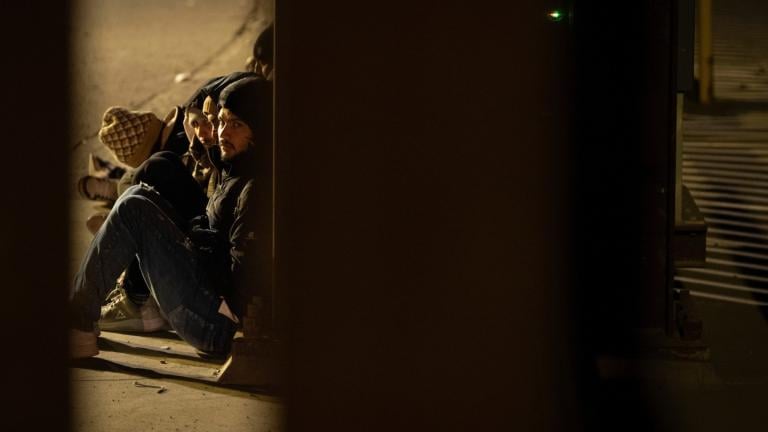
The justices, in a 6-3 decision, overturned a lower court order blocking the practice that limited the number of people who could apply for asylum each day, first under the Obama administration and then expanded during President Donald Trump’s first term.
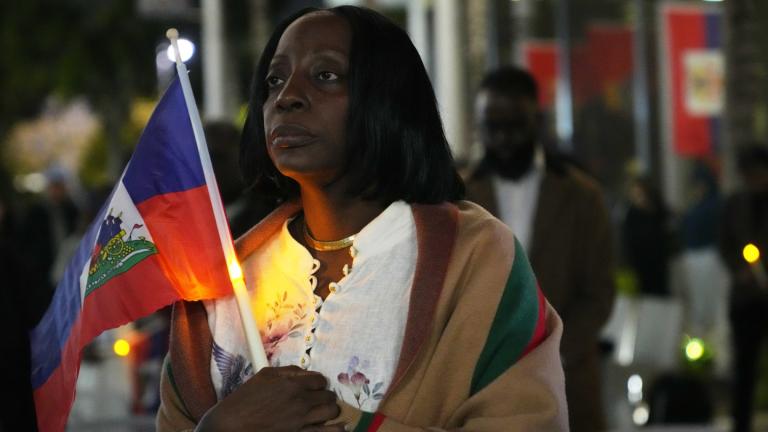
The 6-3 decision overturns lower court orders and allows the Department of Homeland Security to swiftly end temporary protected status, a program that protects a total of 1.3 million people from 17 countries.
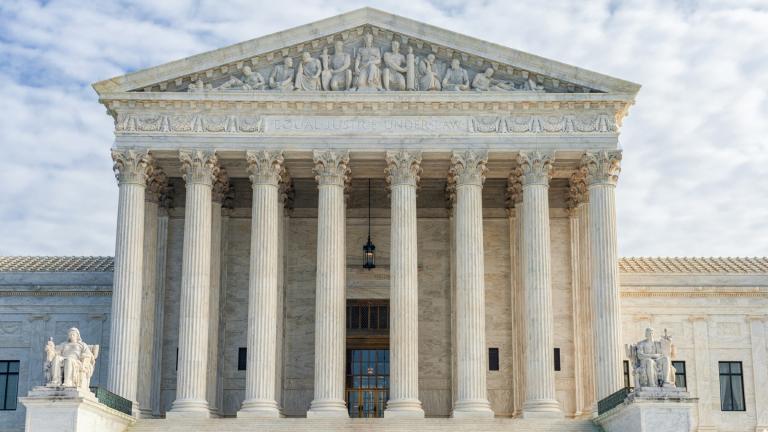

The U.S. Supreme Court’s annual “June boom” is about to begin, bringing an end to months of speculation. Their rulings could have sweeping implications for birthright citizenship, presidential power, transgender athletes and more.
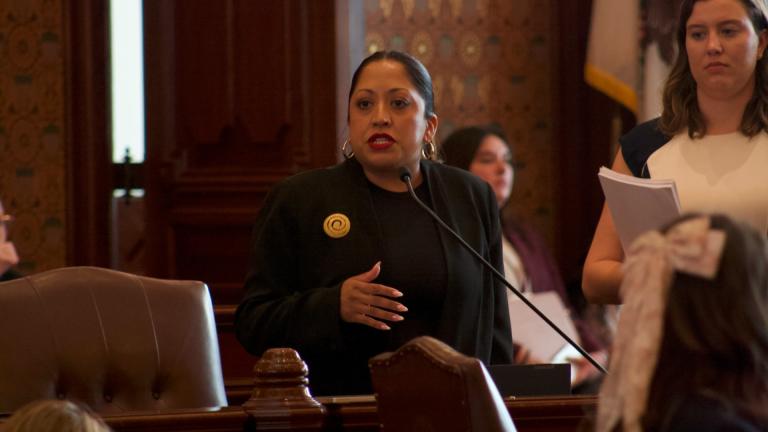
Illinois could soon reform the state’s regulations on delinquent property tax sales after the House approved a bill 80-35 along party lines Saturday evening that lets homeowners keep their equity.
The redistricting battle that began in Texas last year continues to have ripple effects across the nation.
President Donald Trump ignited the conflict over redistricting last year by urging Republicans to redraw congressional maps to reduce the likelihood that his party loses the U.S. House in the November midterm elections.
Republican governors in Alabama and Tennessee have called lawmakers into special sessions this week to draw new congressional districts after the U.S. Supreme Court weakened a key provision of the Voting Rights Act.
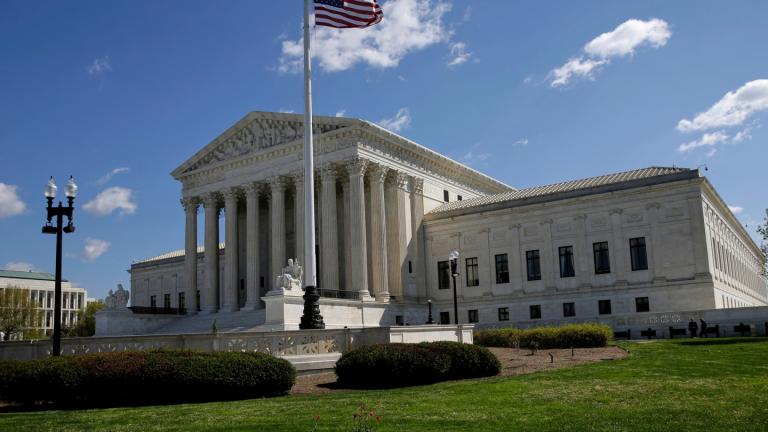
In a 6-3 ruling, the court’s conservative majority found that the district, represented by Democrat Cleo Fields, relied too heavily on race.
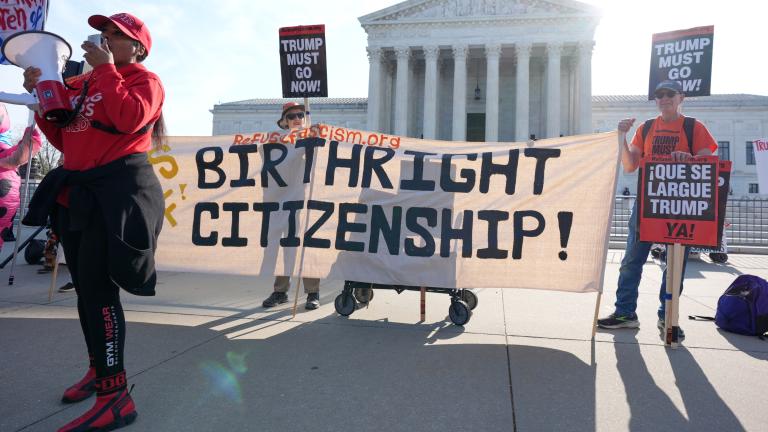
Conservative and liberal justices on Wednesday questioned whether Trump’s order declaring that children born to parents who are in the United States illegally or temporarily are not American citizens comports with either the Constitution or federal law.
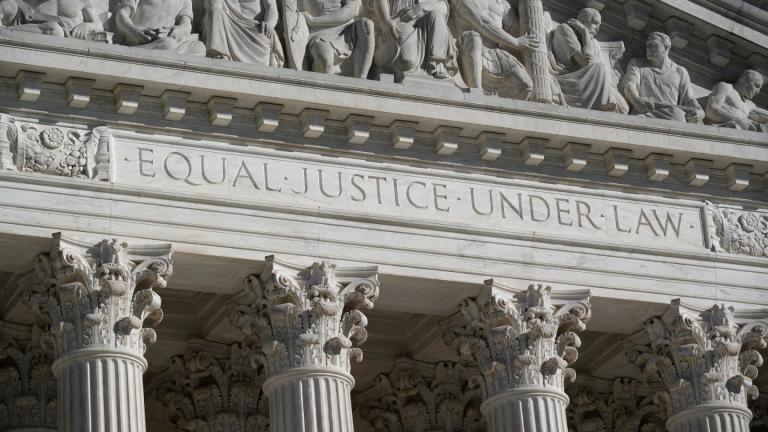
Justice Neil Gorsuch, writing for the court, said the law “censors speech based on viewpoint.” The First Amendment, he wrote, “stands as a shield against any effort to enforce orthodoxy in thought or speech in this country.”
The case presents another test for a high court that has allowed some anti-immigration efforts to continue, even after lower courts had blocked them.
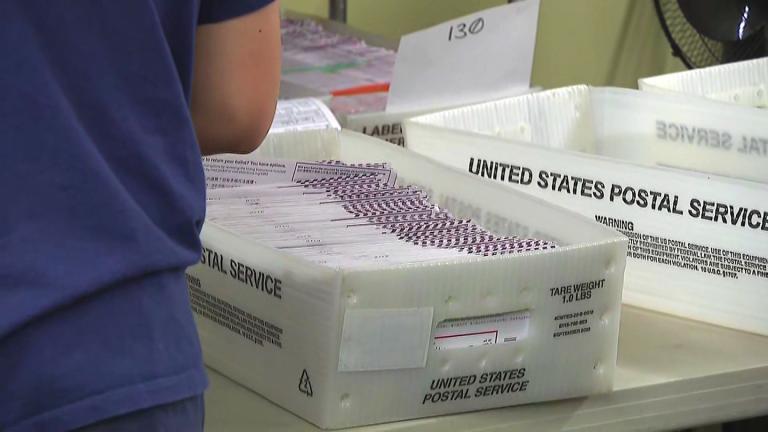
The legal challenge is part of President Donald Trump’s broader attack on mail ballots, which he has said is a significant source of election fraud despite research that consistently finds voting by mail is a secure way to vote.
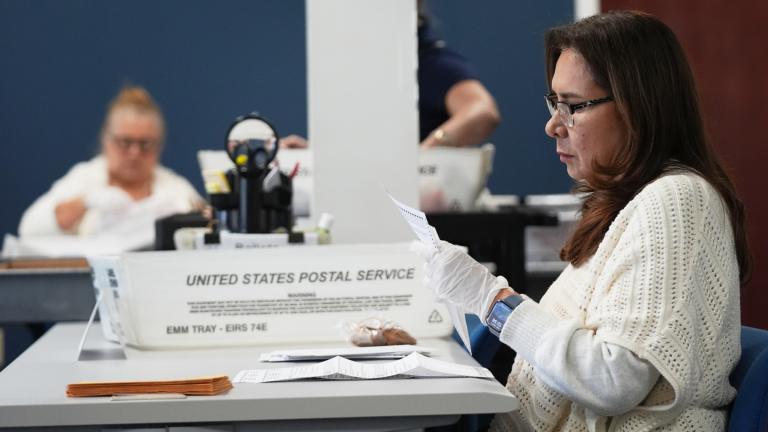
The court was hearing arguments Monday in a case from Mississippi that also could affect voters in 13 other states and the District of Columbia, which have grace periods for ballots cast by mail.

“We respectfully urge you to cast aside any efforts to codify the invalidated levies struck down by the Supreme Court and instead enact meaningful statutory constraints on presidential tariff power that allow for appropriate congressional review,” the letter reads.

“It’s only gotten more complicated for everybody,’’ said trade lawyer Ryan Majerus, partner at King & Spalding and a former U.S. trade official.
Trending
Who Is Running, or Thinking About Running, to Become Chicago’s Next Mayor

Suspend CPD Officers, Sergeant Repeatedly Accused of Making Improper Traffic Stops for a Combined 330 Days: Police Brass

Johnson’s Debt Refinancing Plan Results in Just Half of What He Promised, Forcing Officials to Scramble to Fill Budget Gap

Hilario Dominguez, Candidate for CPS Board President, Defends Conduct as Watchdog Reopens Probe Into Inappropriate Behavior Allegations

No Tax Hikes or Layoffs Needed to Close Cook County’s $550M Gap Thanks to ‘Budget Magic’: Preckwinkle
Sign up for the WTTW News newsletter