

Pace
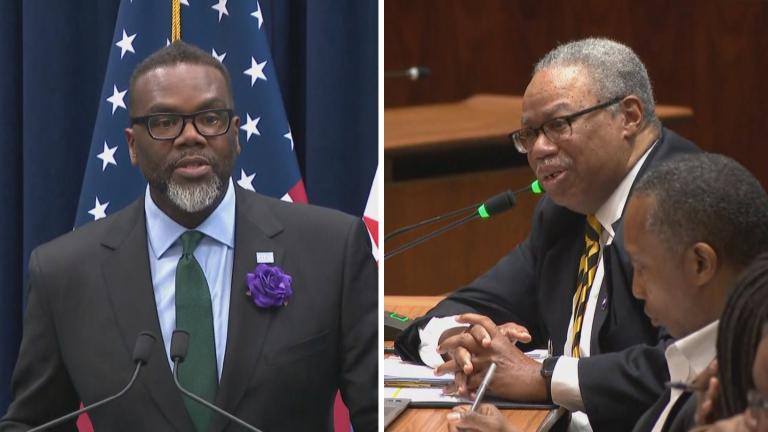
Allies of the mayor used a parliamentary maneuver Wednesday to prevent a vote on the nomination of the Rev. Ira Acree to serve on the board of the Regional Transportation Authority, an acknowledgment they did not have the votes to confirm the politically connected pastor.
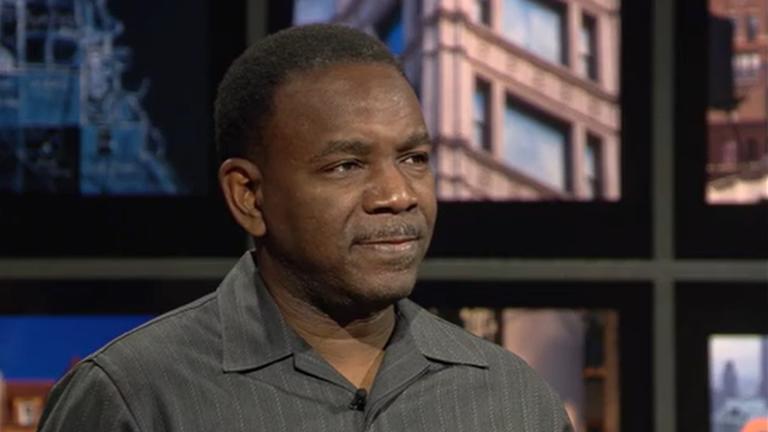
The Rev. Ira Acree, the politically connected pastor of the Greater St. John Baptist Church on the West Side, faced unusually pointed questions from alderpeople, who are under increasing pressure to make significant changes to the CTA, which has yet to rebound from the COVID-19 pandemic.
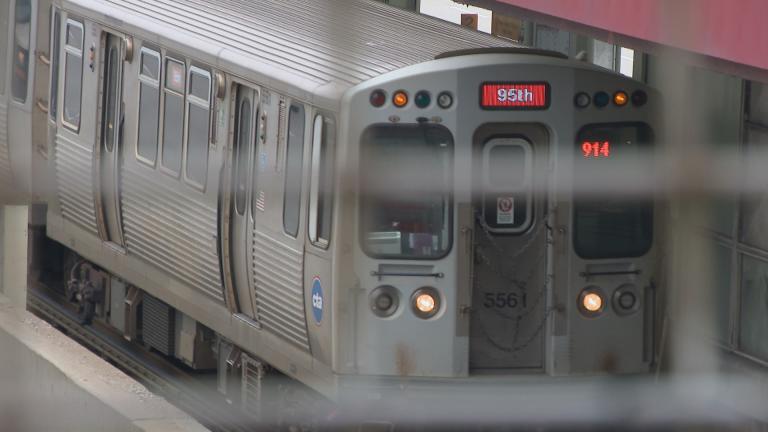

Backers of the MMA plan say siloed agencies have long competed for funding, failed to integrate fares for passengers and aren’t delivering the service riders should be able to depend on.
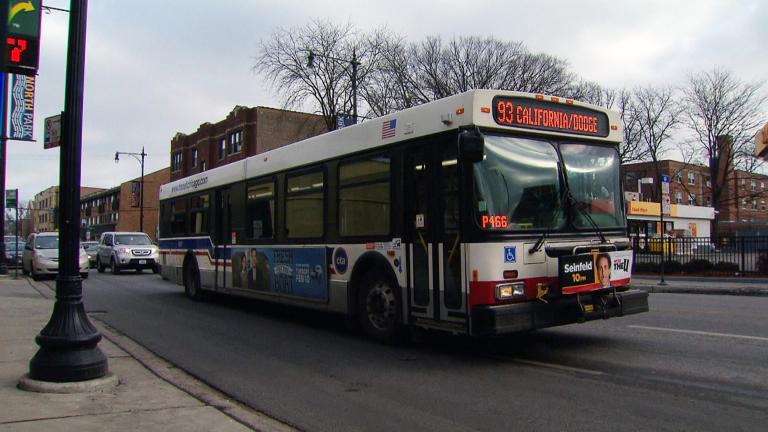
Failing to tackle a looming $730 million budget hole for CTA, Metra and Pace could have “potentially debilitating” effects on disinvested Chicago area communities that rely on transit – but boosting funding for public transportation without drastic governance reform would be a major failure, a new report says.
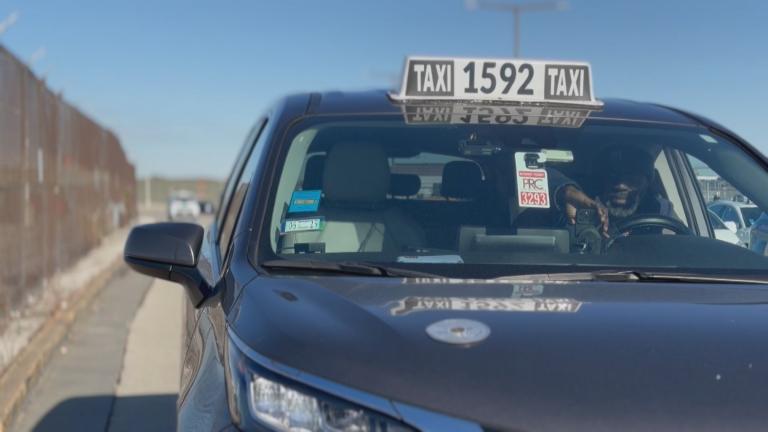
Pace Taxi Program Aids Chicagoans With Disabilities, But Advocates Say Systemic Issues Affect Access
For Chicago residents with disabilities, getting around the city can be more of a burden than a simple task. Users and advocates say the Pace Taxi Access Program is plagued by long wait times, verbally abusive drivers and unreliable rides.
CTA has announced that it is partnering with Miller Lite to offer free rides, which will be available across the city on both trains and buses from 10 p.m. Sunday until 4 a.m. Monday.
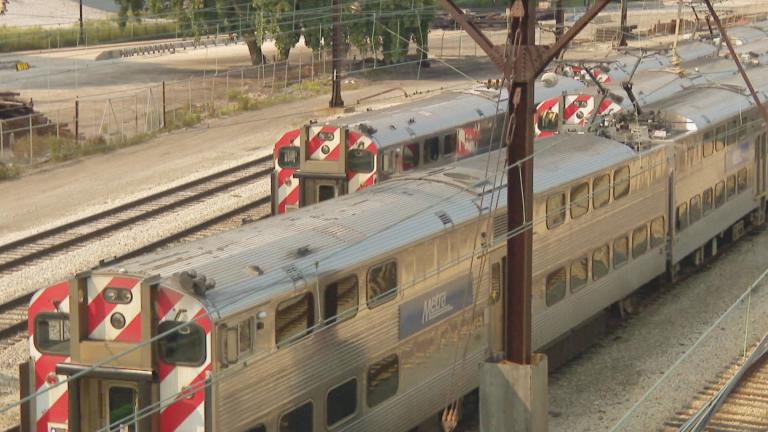
With CTA, Metra and Pace expected to have a combined $730 million budget deficit starting in 2026, state lawmakers passed a measure charging the regional planning agency CMAP to think big and come up with a plan.
Unprecedented regional coordination, $1.5 billion in new annual funding and a push to transform service and draw in more riders than ever. Those are just some of the ambitious ideas up for debate as part of an effort to create a bold new vision for public transit in the Chicago area.
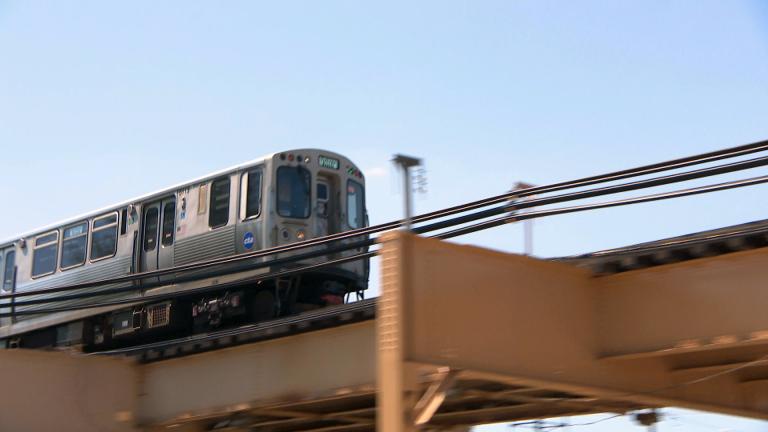
People who have stayed away from public transit because of the coronavirus pandemic say they expect to return to buses and trains, but the shift toward working from home is likely to change when, why and how often people ride, according to a just-released survey.
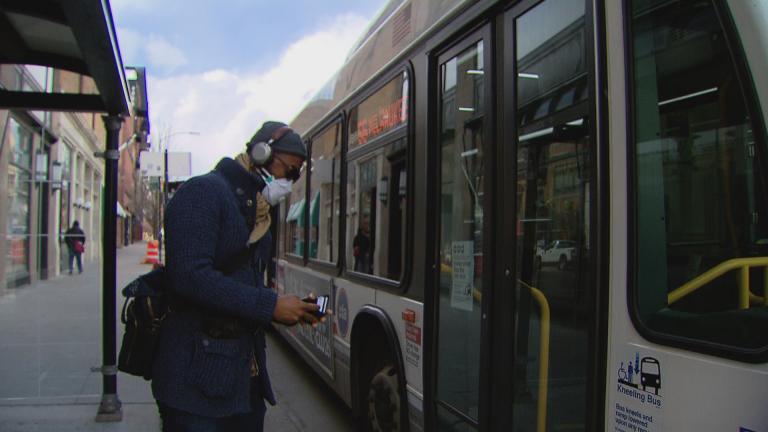
Ridership across CTA trains and buses, Metra commuter trains and Pace buses are down about 70% compared to this time last year. With that dramatic decline in ridership comes lower revenue and strains on operational funding.
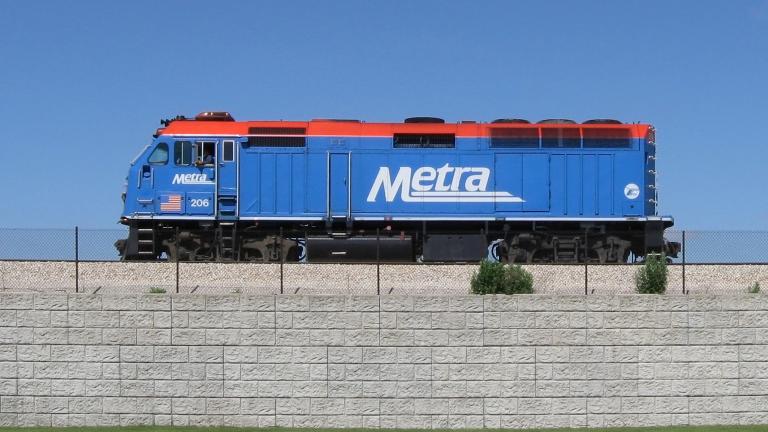
A new report from Gov. Pat Quinn's transit task force is recommending a shake-up to the structure of the RTA, Metra, CTA and Pace systems to streamline operations and budget woes. The blue-ribbon transit study commission is also recommending ethics reforms. Carol Marin gets the details of the report from the co-chairs of the Northeastern Illinois Public Transit Task Force, George Ranney Jr. and Ann Schneider, and the Task Force’s Ethics chairman, Patrick Fitzgerald. Read the full report, and view a graphic of the current structure of the RTA, Metra, CTA and Pace.
Trending
2026 Chicago Festival Guide

CPD Officer Who Fired 3 Shots at Suspected Carjacker on 606 Trail Faces Firing: Records

Interim NITA Director Earning $350K Salary While Also Collecting $213K Annual City Pension, Records Show

Firm Set to Buy Chicago’s Parking Meters Sells Airline That Carried Out Deportations

Chicago Woman Accused of Social Security Fraud After Hiding Mother’s Body in Freezer for 2 Years

Sign up for the WTTW News newsletter