

Homelessness
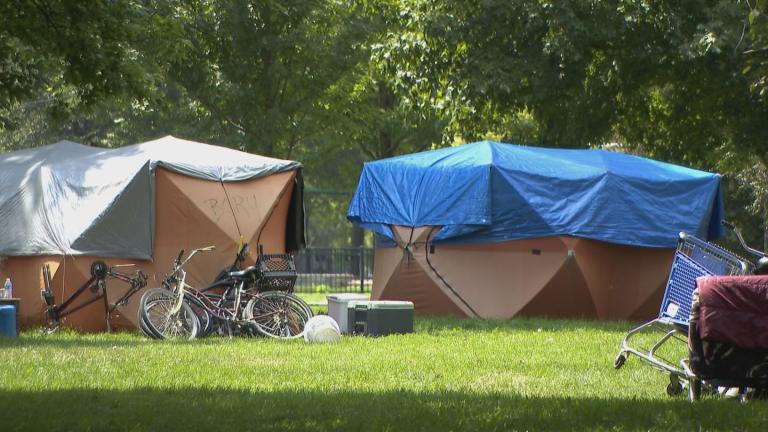
Approximately 76,375 people in Chicago experienced homelessness during 2022, according to a new report from the Chicago Coalition to End Homelessness, which relies on the most recent available data.
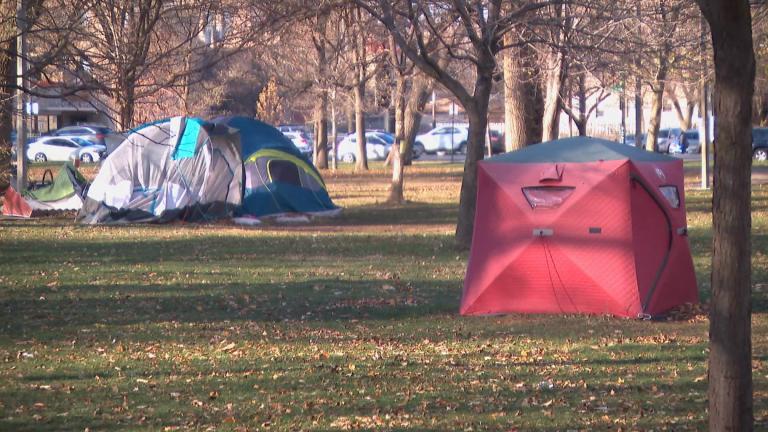

Last month, Ald. Jessie Fuentes (26th Ward) announced the proposal to remove all tents from the area before the holidays as part of the Humboldt Park Encampment Housing Initiative. The city plans to start removal Friday morning, but advocates want officials to reconsider and explore other options.
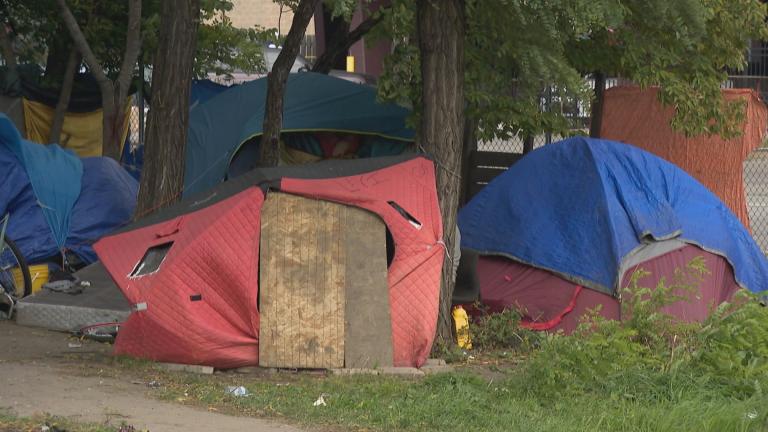
Local organizations are pushing back on Chicago’s plan to merge its migrant shelter operations with its homeless shelter network. The city is set to launch the plan known as the One System Initiative on Jan. 1 with a total of 6,800 shelter beds.
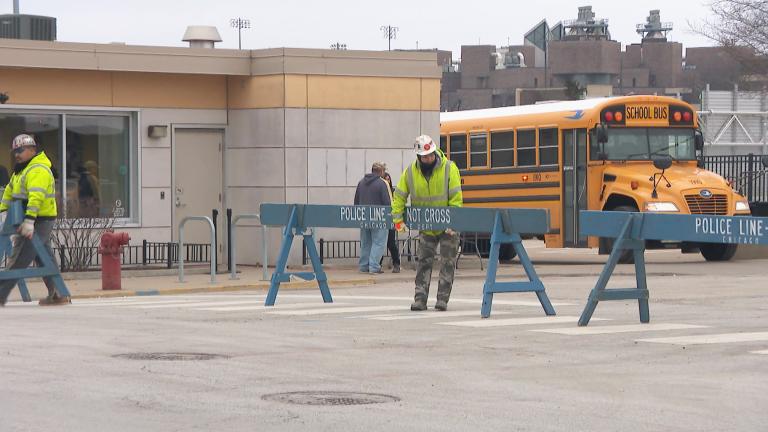
Ald. Michelle Harris (8th Ward) said the new system would be more equitable and end the perception among residents that city officials offered migrants more assistance than longtime Chicagoans living on the city’s streets.
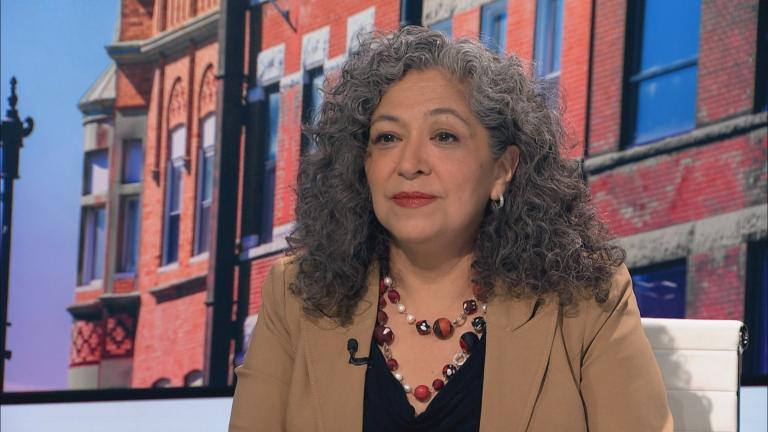
Chicago is set to overhaul its migrant shelter system by the end of this year, capping guaranteed beds at 3,800 for asylum seekers who have been in the city for less than 30 days. This shift is part of the new One System Initiative, designed to streamline services for both migrants and long-term unhoused residents.
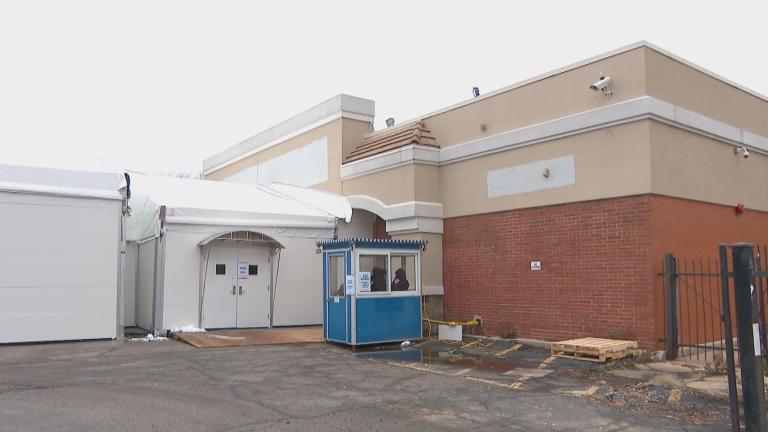
The shelter at 27th Street and Pulaski Road, which opened in January at the height of the crisis that strained state and city resources, now houses 146 people, state officials said.
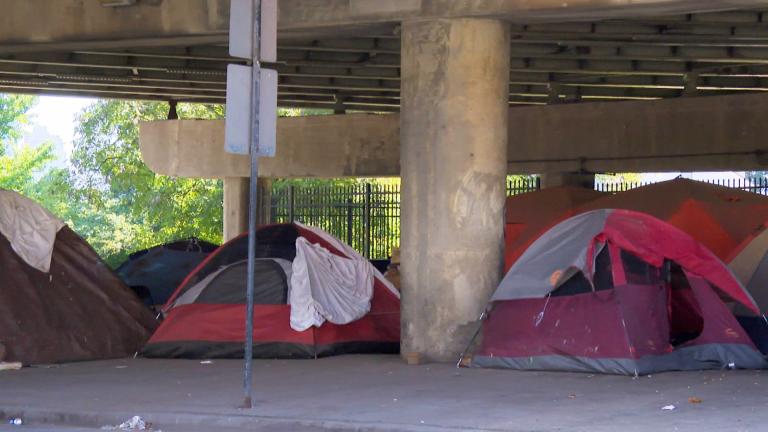
The decision is expected to have a sweeping impact on policies for the unhoused, but local advocates are hoping the effect will be muted in Chicago and Illinois.
“We aren’t rising to the occasion,” said Doug Schenkelberg, executive director of the Chicago Coalition for the Homeless. He called the survey results “disheartening but not surprising.”
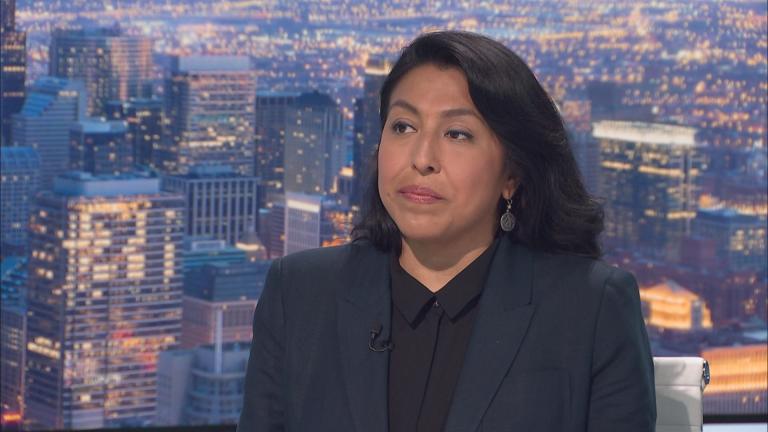
Chicago native Sendy L. Soto became the city’s first chief homelessness officer. Part of her new role will be to devise a five-year plan to end homelessness.
A new study found that Black Americans are four times more likely to experience homelessness than their White counterparts. But in Illinois the situation is even worse, researchers found, with Black residents eight times more likely to become homeless at some point in their lives.
“Our approach understands that homelessness is not an issue of personal failing, but of historical discrimination and structural barriers that have driven inequality for Black families across the nation, and of course, right here in Illinois,” Gov. J.B. Pritzker said Thursday.
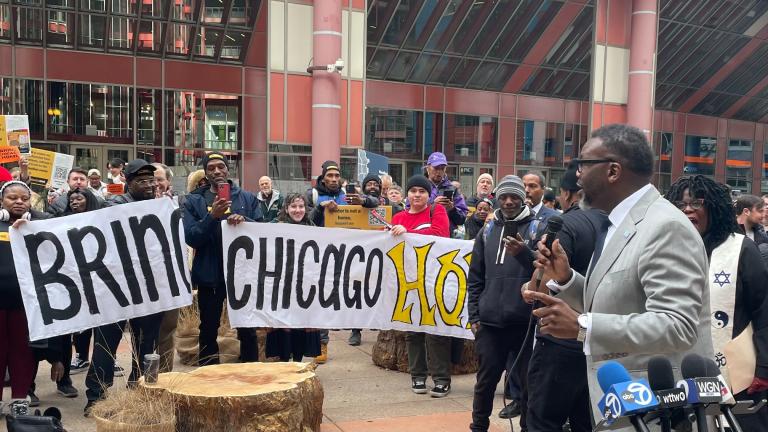
After 12,634 mail-in ballots were counted by Chicago election officials late Friday, the results were essentially unchanged. Approximately 53% of voters rejected Ballot Question No. 1, better known as Bring Chicago Home, according to unofficial totals.
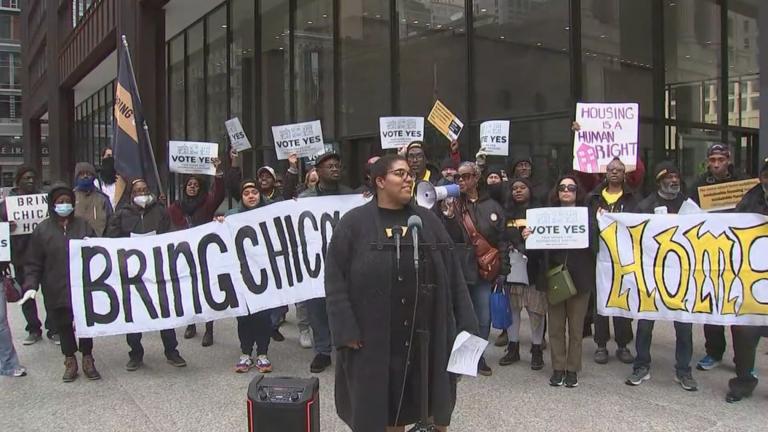
The ballot measure would give Chicago City Council the power to hike the Real Estate Transfer Tax on property sales over $1 million to help fight homelessness. The close race could point to some disagreement among Chicagoans over how to support the city’s unhoused.
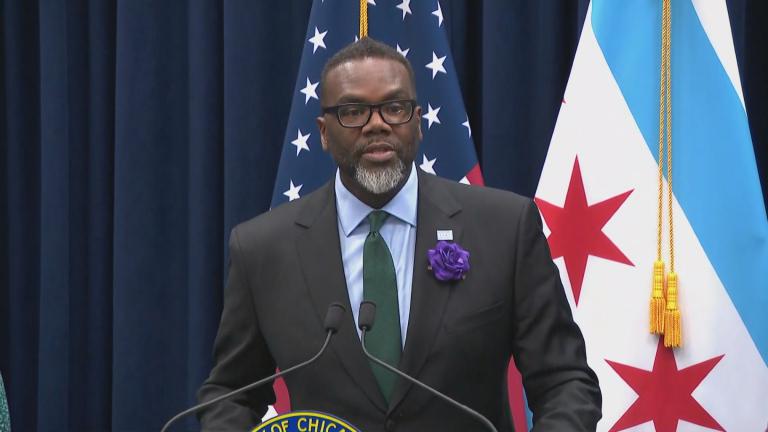
“No one said it was going to be easy,” Mayor Brandon Johnson said. “I’m very much committed. The fight still goes on. We’re going to keep organizing.”
The last time Chicago voters passed a binding referendum that applied to the entire city was 1885, when they voted to create the Chicago Board of Election Commissioners, according to city records.

While the office of circuit court clerk might not be as well-known as other county offices up for grabs Tuesday, it is a powerful perch. The clerk controls more than 1,400 jobs and handles everything from evictions to traffic tickets to child support.
Trending
2026 Chicago Festival Guide

CPD Officer Who Fired 3 Shots at Suspected Carjacker on 606 Trail Faces Firing: Records

Interim NITA Director Earning $350K Salary While Also Collecting $213K Annual City Pension, Records Show

Firm Set to Buy Chicago’s Parking Meters Sells Airline That Carried Out Deportations
Chicago Woman Accused of Social Security Fraud After Hiding Mother’s Body in Freezer for 2 Years

Sign up for the WTTW News newsletter