

General Assembly

Advocates for the bill say it is rooted in compassion and will bring agency to already dying people in the last stages of life, while opponents cite religious concerns and potential harm to vulnerable populations.

24 Bills Passed During the Fall Veto Session
Illinois lawmakers passed two dozen bills during their annual fall veto session that ended Friday, Oct. 31, including a measure that will empower the state’s Department of Public Health to issue vaccine guidelines amid federal uncertainty.
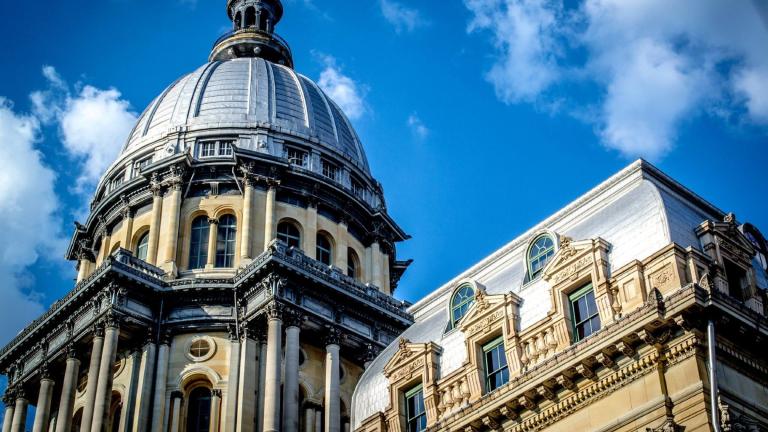

Republicans and Democrats are in an escalating national fight over congressional seats. Some members of Congress are pushing for Illinois to redraw its districts to get another Democratic seat.

The proposal passed the House with an overwhelmingly bipartisan roll call and is expected to receive a vote in the Illinois Senate later this week. It comes amid a startling rise in violence and threats aimed at public officials.

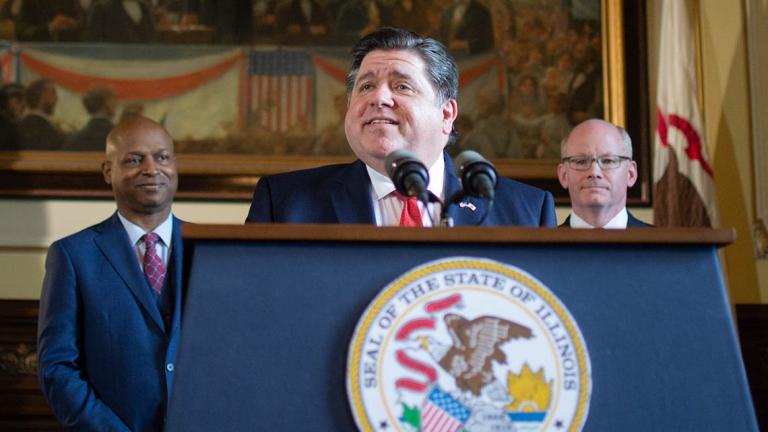
Gov. JB Pritzker on Wednesday expressed skepticism about some of the revenue streams House Democrats pitched in a transit rescue bill filed late Tuesday night.
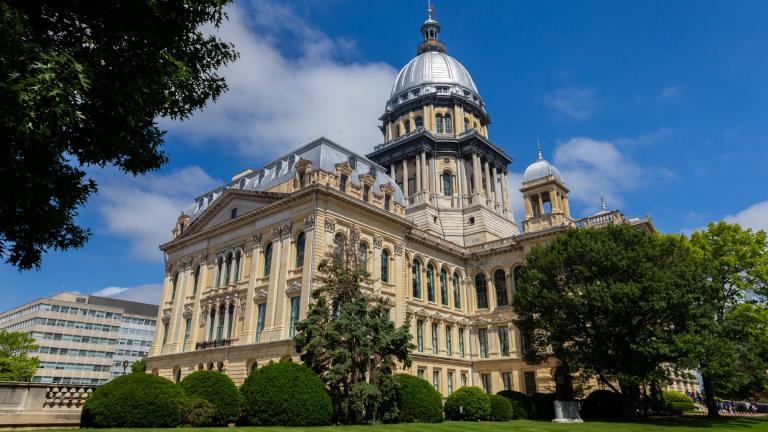
Illinois lawmakers head back to Springfield next week to finish out their fall veto session with plenty on the agenda.

U.S. House Minority Leader Hakeem Jeffries’ push for Illinois Democrats to redraw the state’s congressional map as a counter to President Donald Trump’s mid-decade redistricting project in GOP-led states has met a cool reception with state lawmakers.
Violent protests, legally questionable immigration raids and the deployment of National Guard troops without the governor’s approval will be at the forefront of state lawmakers’ minds when they return to Springfield on Tuesday.
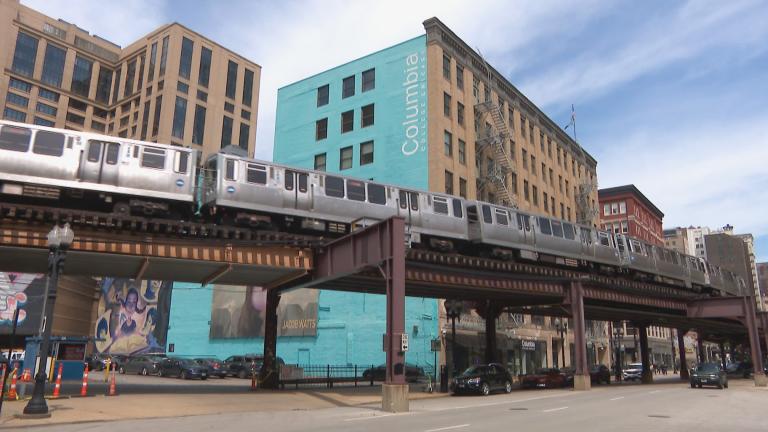
Chicago-area public transit agencies are facing a fiscal cliff. The budget gap for CTA, Metra and Pace is at $200 million, according to the Regional Transportation Authority.
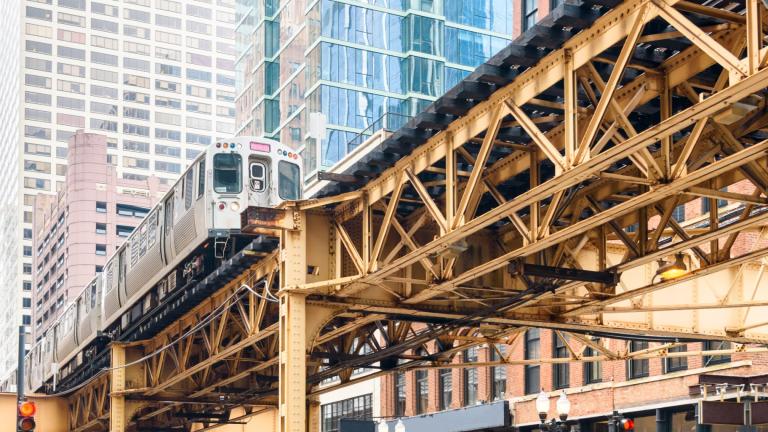
The announcement comes just a week and a half before lawmakers are set to return to Springfield for the fall veto session, during which numerous legislators say transit will be a main priority.
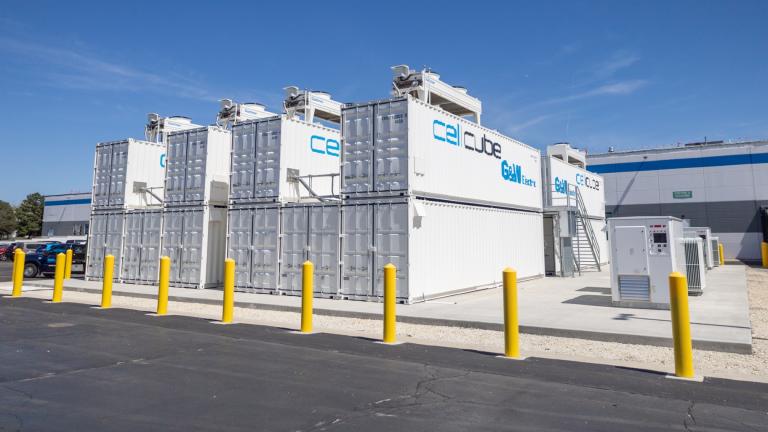
After twice failing to pass an energy reform package this year, lawmakers and renewable energy advocates are aiming to reach a deal in time for a brief legislative session in October.

The law requires Illinois media companies to provide the Department of Commerce and Economic Opportunity, local county government, the company’s employees and any Illinois nonprofit that might be interested in buying the business with 120 days’ notice before the sale happens.
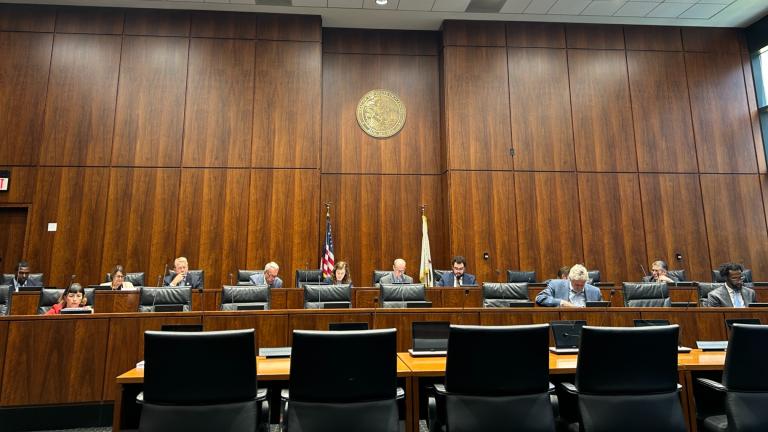
The Joint Committee on Administrative Rules objected to the Illinois Department of Corrections’ emergency rule allowing facilities to electronically scan mail. The objection does not stop the department’s emergency rule, which paves the way for IDOC facilities to transition to scanning incarcerated peoples’ mail, instead of giving them physical mail.

Sen. Bill Cunningham, D-Chicago, won’t seek reelection
Sen. Bill Cunningham, a Chicago Democrat with a reputation for taking charge of energy and climate change legislation, will step down at the end of his current term.
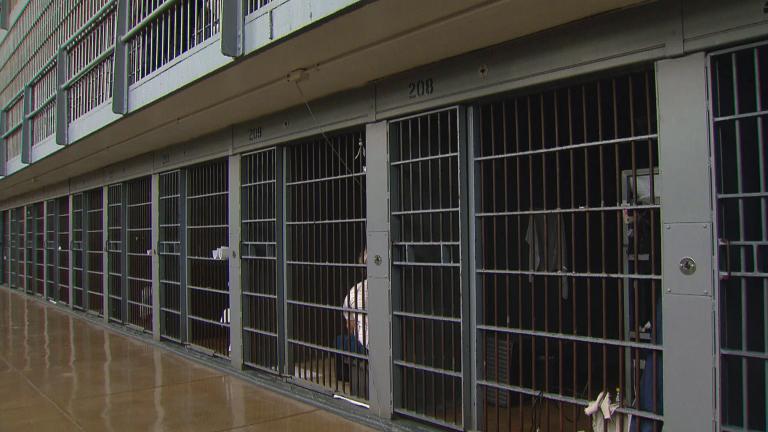
The change comes after debate over the safety of physical mail. IDOC states that these emergency rules are intended to prevent the smuggling of contraband and hazardous substances into correctional facilities.
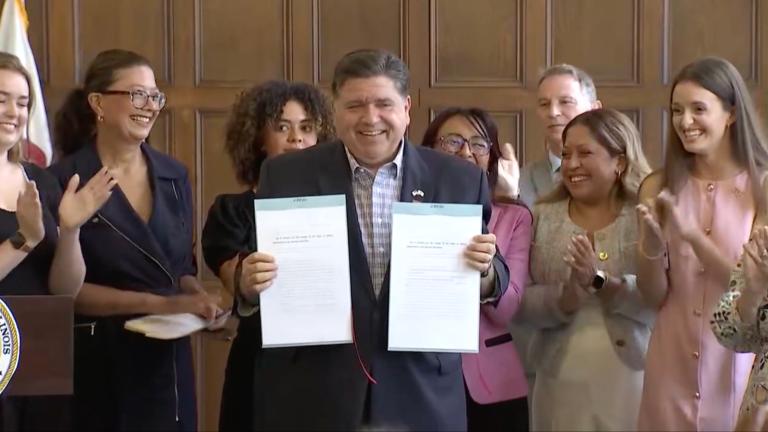
Two bills aimed at further protecting reproductive rights in Illinois were signed by Gov. JB Pritzker on Friday, expanding protections to health care providers and making contraception and medication abortion more accessible to college students.
Trending
2026 Chicago Festival Guide

CPD Sergeant Who Led Botched Raid at Home of Anjanette Young Now Working as a Suburban Police Detective

Woman Charged With Fatally Stabbing 7-Year-Old Girl Walking in Chicago Saturday

Key City Panel Unanimously Agrees to Pay $260.8M to Resolve 16 Lawsuits Tied to Disgraced Ex-CPD Detective Reynaldo Guevara

Marimar Martinez Hopes New Lawsuit Could Spur Criminal Charges 1 Year After Border Patrol Agent Shot Her

Sign up for the WTTW News newsletter