

Economy
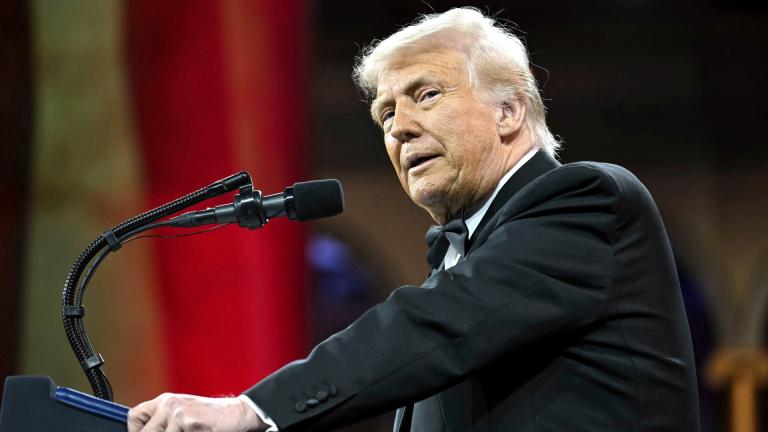
Facing a global market meltdown, President Donald Trump on Wednesday abruptly backed down on his tariffs on most nations for 90 days, but raised his tax rate on Chinese imports to 125%.

“Look, there are a lot of uncertainties at the moment, a lot of instability. There's no doubt,” Gov. J.B. Pritzker said. “But this is a stable state. This is a state that thrives on certainty and allows our businesses to do well. And so we look forward to maintaining that status.”
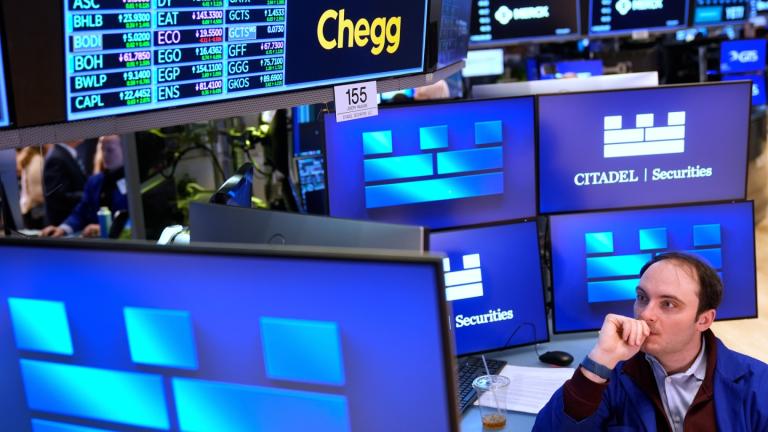
U.S. stocks dove Tuesday following another stunning reversal, with Wall Street veering from a huge gain at the opening of trading to more losses at the close, because investors still have no idea what to make of President Donald Trump’s trade war.

The U.S. president has shown few signs of backing down on tariffs despite the mounting pressure in the financial markets. His commitment to tariffs could have devastating effects for the global economy, even though Trump is banking that it will ultimately pay off with manufacturing jobs.

Unsourced “headlines” about a potential “90-day pause in tariffs” sent markets into a state of turbulence Monday morning as investors sought any indication of a reprieve from the Trump administration’s new levies. The problem: It wasn’t true.

U.S. stocks were battered by a steep sell-off Friday after China retaliated against the United States for President Donald Trump’s tariffs in a tit-for-tat that escalates a global trade war.
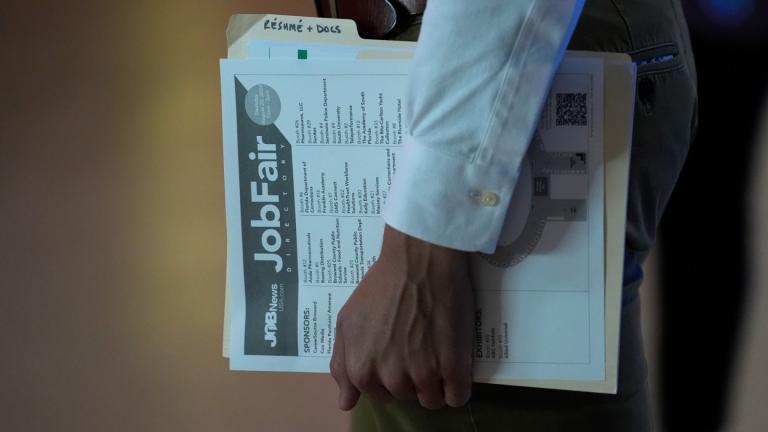
The hiring numbers were up from 117,000 in February and were nearly double the 130,000 that economists had expected. Labor Department revisions shaved 48,000 jobs off January and February payrolls.
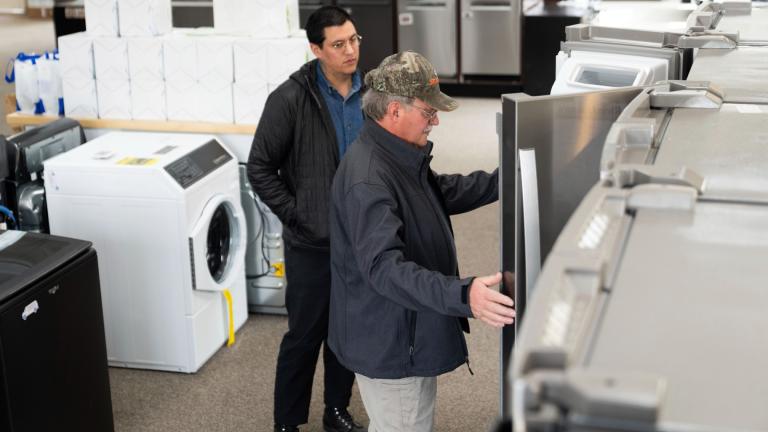
President Donald Trump’s sweeping new tariffs, on top of previous levies and retaliation worldwide, are expected to increase prices for everyday items. The trade wars have already roiled financial markets and plunged businesses into uncertainty — all while economists warn of potentially weakened economic growth and heightened inequality.
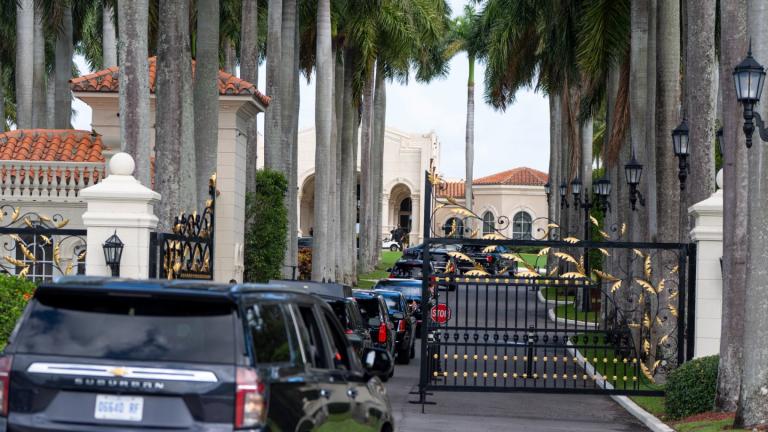
Two days after sending the economy reeling by announcing widespread tariffs, President Donald Trump insisted his trade policies will never change as he remained ensconced in a bubble of wealth and power in Florida.
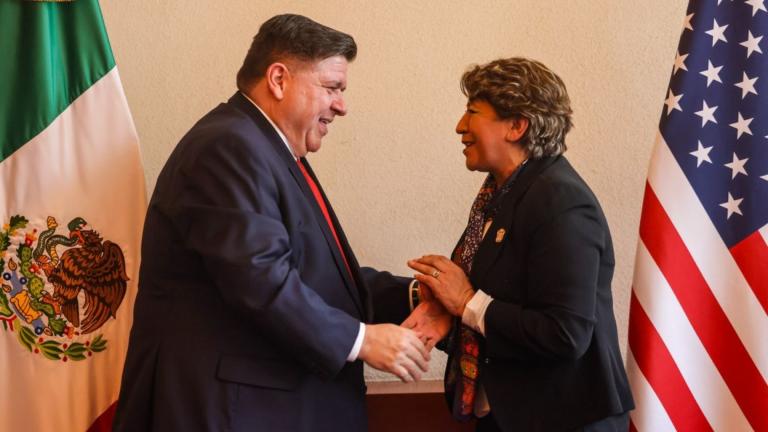
Mexico was Illinois’ second-largest export market in 2024 with $32 billion worth of goods being sent to the country. Another $19 billion worth of Mexican goods came to Illinois that year, making the country Illinois’ third-largest import market.
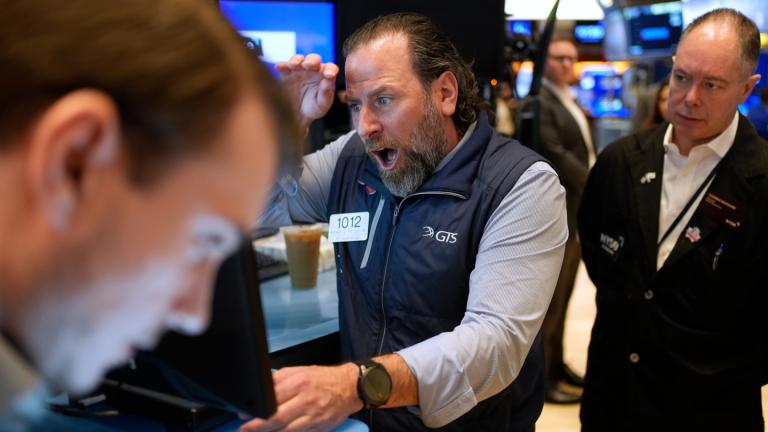
The S&P 500 was down 4.3% in morning trading, more than other major stock markets, and it’s on track for its worst day since COVID shattered the global economy five years ago.
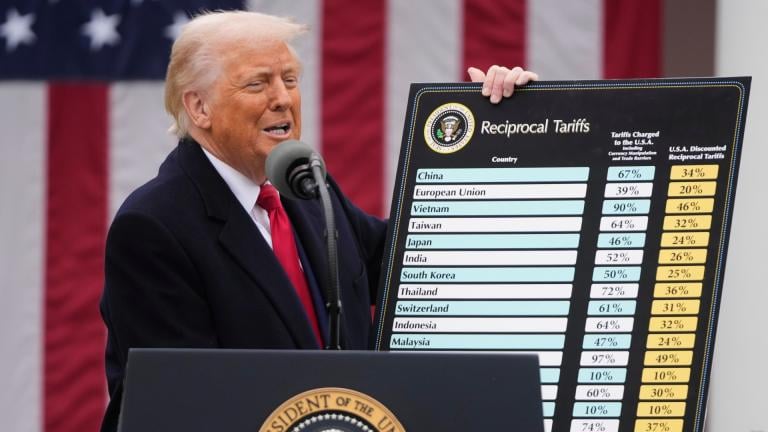
President Donald Trump declared on Wednesday a 10% baseline tax on imports from all countries and higher tariff rates on dozens of nations that run trade surpluses with the United States, threatening to upend much of the architecture of the global economy and trigger broader trade wars.

For weeks, Trump has promoted April 2 as “Liberation Day” in America, when a number of hefty tariffs will be unveiled to implement his administration’s radical economic agenda. The United States has already announced a sharp increase in tariffs on all imports of steel, aluminum and cars.
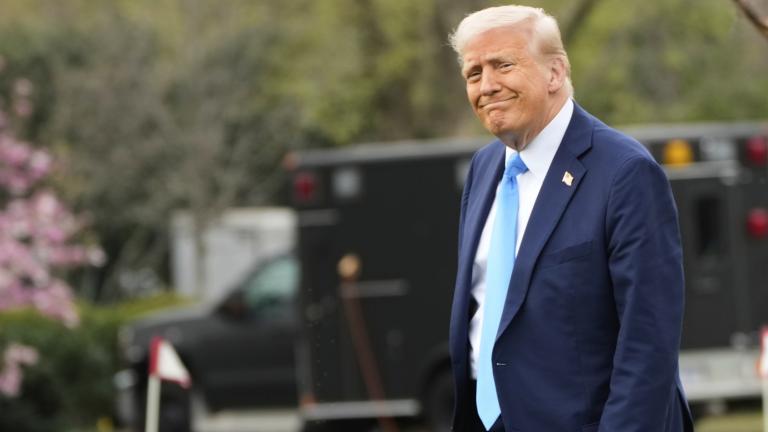
Most economic analyses say average U.S. families would have to absorb the cost of his tariffs in the form of higher prices and lower incomes. But an undeterred Trump is inviting CEOs to the White House to say they are investing hundreds of billions of dollars in new projects to avoid the import taxes.
The S&P 500 dropped 2% for one of its worst days in the last two years. It thudded to its fifth losing week in the last six after wiping out what had been a big gain to start the week.
The first of the boycotts happened last month, with more scheduled in the coming weeks. The effort includes boycotts of various companies and retailers during different time periods.
Trending
2026 Chicago Festival Guide

CPD Sergeant Who Led Botched Raid at Home of Anjanette Young Now Working as a Suburban Police Detective

Woman Charged With Fatally Stabbing 7-Year-Old Girl Walking in Chicago Saturday

Key City Panel Unanimously Agrees to Pay $260.8M to Resolve 16 Lawsuits Tied to Disgraced Ex-CPD Detective Reynaldo Guevara
Marimar Martinez Hopes New Lawsuit Could Spur Criminal Charges 1 Year After Border Patrol Agent Shot Her

Sign up for the WTTW News newsletter