

Economy

San Francisco-based 23andMe filed for Chapter 11 bankruptcy protection on Sunday and said it would pursue a sale, after years of struggling to find a sustainable business model. That means the company — and the genetic information of its 15 million customers — will likely soon be up for grabs to the highest bidder.
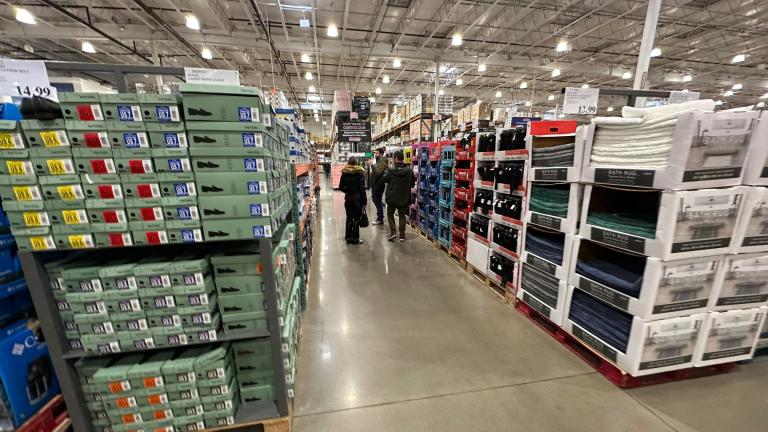
It is the lowest reading in 12 years and well below the threshold of 80, which the Conference Board says can signal a potential recession in the near future. However, the proportion of consumers anticipating a recession in the next year held steady at a nine-month high, the board reported.
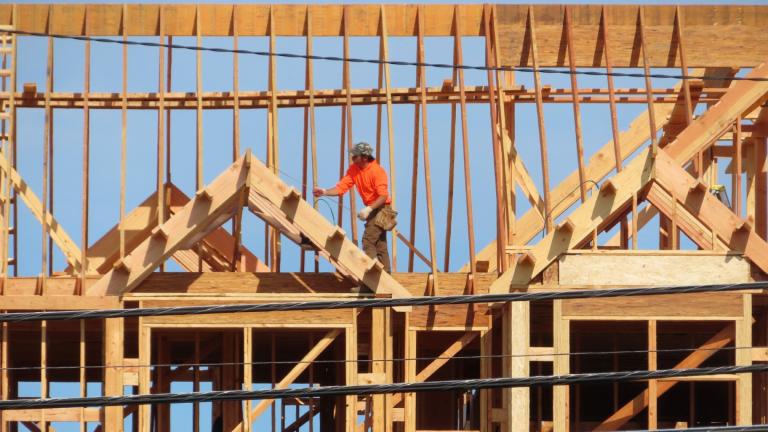
The Trump administration’s tariffs on imported goods from Canada, Mexico and China — some already in place, others set to take effect in a few weeks — are already driving up the cost of building materials used in new residential construction and home remodeling projects.
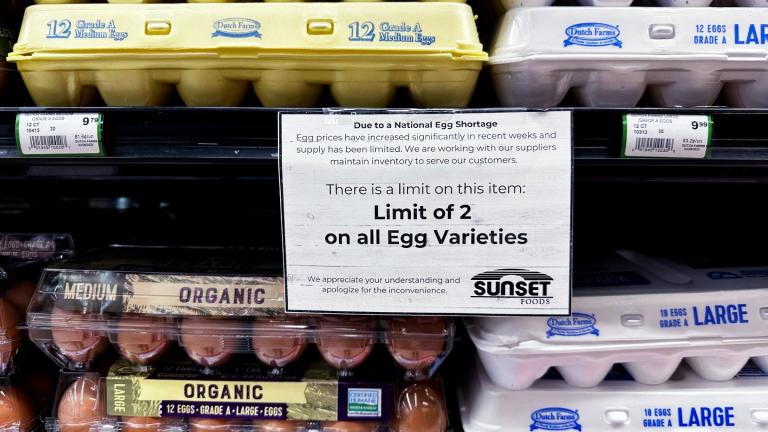
If prices remain high, it will be third year in a row consumers have faced sticker shock ahead of Easter on April 20 and Passover, which starts on the evening of April 12, both occasions in which eggs play prominent roles.
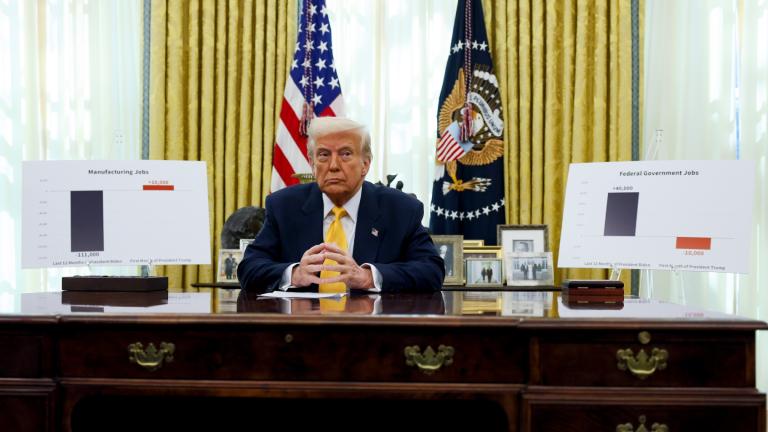
Tuesday’s escalation and retreat in the ongoing trade war between the United States and Canada only compounded the rising sense of uncertainty in terms of how President Donald Trump’s tariff hikes affect the economies of both countries.
The S&P 500 was down 2.1% in midday trading, coming off its worst week since September. The Dow Jones Industrial Average was down 405 points, or 0.9%, as of 11:20 a.m. Eastern time, and the Nasdaq composite was 3.6% lower.

John Schwarz, the 57-year-old founder of The People’s Union USA from Chicago, is calling on Americans to boycott Amazon and its companies, including Zappos, Ring, Whole Foods, Twitch and Prime Video, for one week.
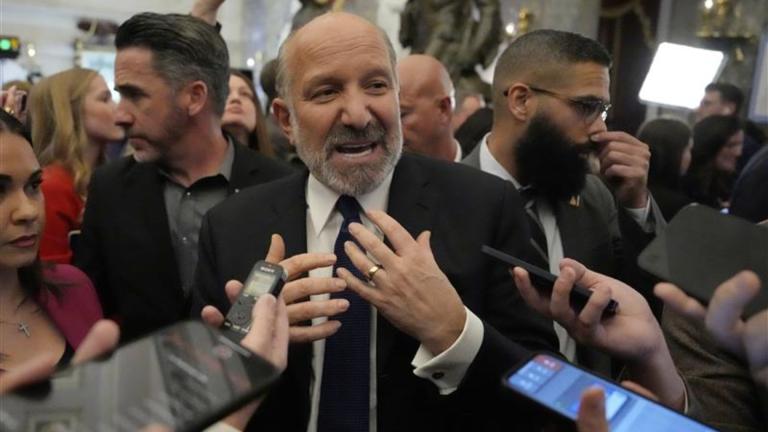

President Donald Trump’s on-again, off-again tariffs threats have roiled financial markets, lowered consumer confidence, and enveloped many businesses in an uncertain atmosphere that could delay hiring and investment.
Deerfield-based Walgreens said Thursday that Sycamore will pay $11.45 per share, giving the deal an equity value just under $10 billion. Shareholders could eventually receive up to another $3 per share under certain conditions.
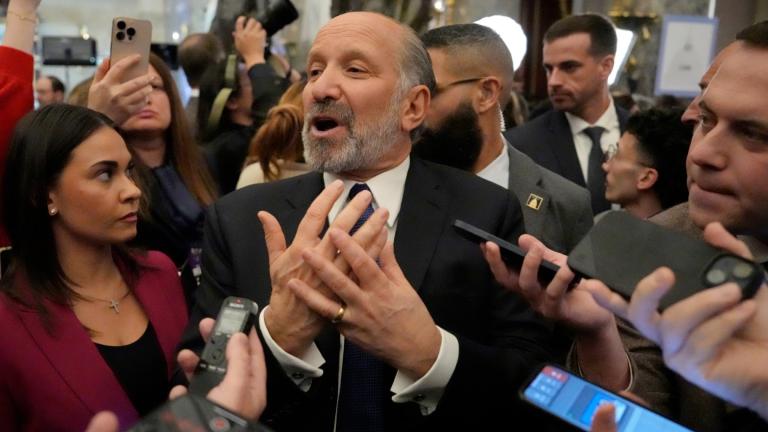
The pause comes after Trump spoke with leaders of the “big 3” automakers, Ford, General Motors and Stellantis, on Wednesday, according to White House press secretary Karoline Leavitt.
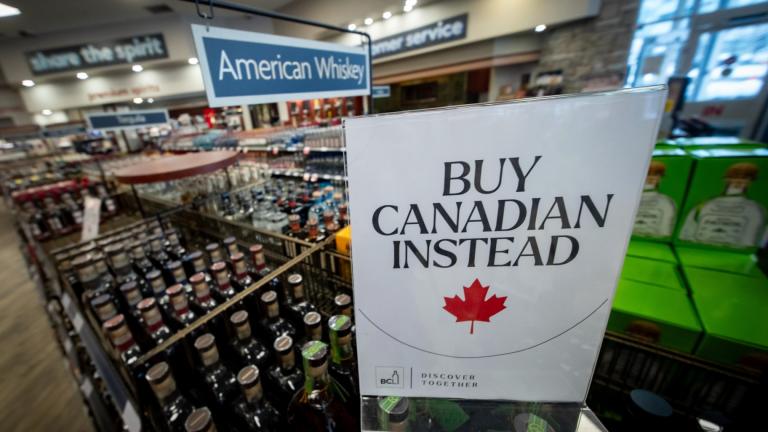
President Donald Trump launched a trade war Tuesday against America’s three biggest trading partners, drawing immediate retaliation from Mexico, Canada and China and sending financial markets into a tailspin as the U.S. faced the threat of rekindled inflation and paralyzing uncertainty for business.

Two of America’s largest retailers, Target and Best Buy, warned Tuesday that prices will increase following President Donald Trump’s tariffs on imported goods from Mexico, Canada and China.
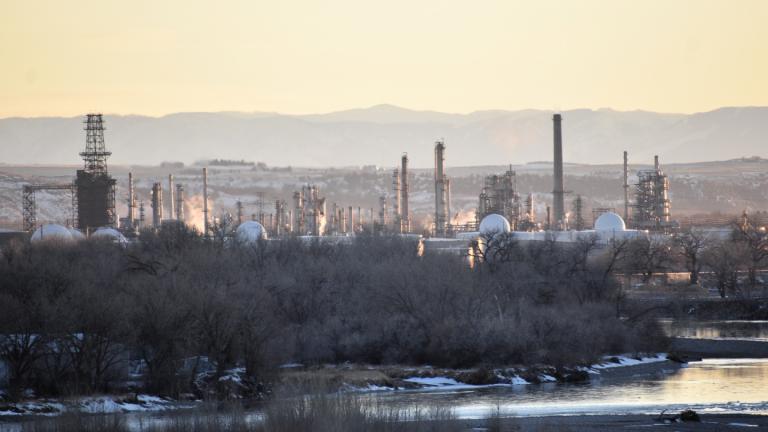
Tariffs are in the news at the moment. Here’s what they are and what you need to know about them.

U.S. stocks slid Monday as investors braced for President Donald Trump’s proposed tariffs on Canada, Mexico and China to go into effect by the midnight deadline. The Nasdaq is down about 6.5% since since Trump took office on Jan. 20.
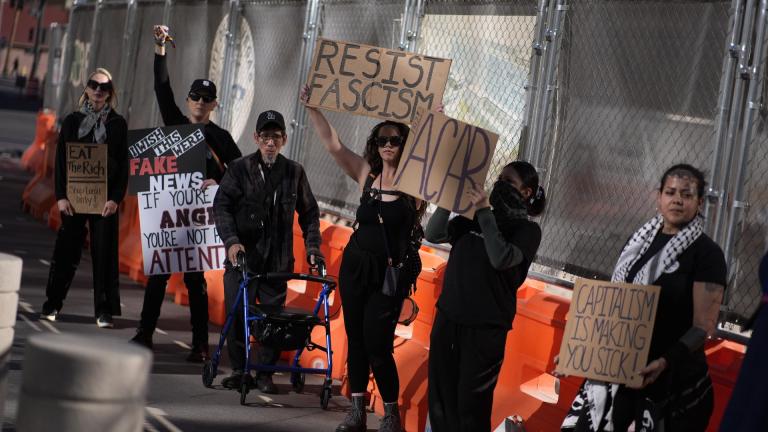
NEW YORK (AP) — A grassroots organization is encouraging U.S. residents not to spend any money Friday as an act of “economic resistance” to protest what the group’s founder sees as the malign influence of billionaires, big corporations and both major political parties on the lives of working Americans.
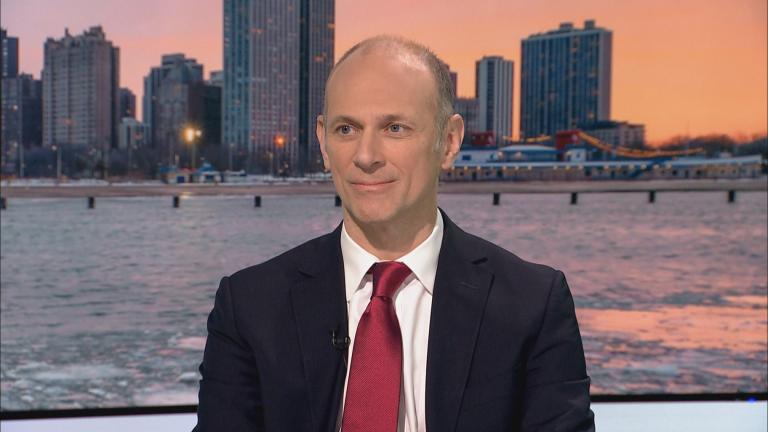
Costs of everyday essentials like groceries and gas are steadily climbing while wages remain largely stagnant, which is particularly true in the Chicago area where the inflation rate is higher than anywhere else in the country — an unwanted first-place position.
Trending
2026 Chicago Festival Guide

CPD Sergeant Who Led Botched Raid at Home of Anjanette Young Now Working as a Suburban Police Detective

Woman Charged With Fatally Stabbing 7-Year-Old Girl Walking in Chicago Saturday

Key City Panel Unanimously Agrees to Pay $260.8M to Resolve 16 Lawsuits Tied to Disgraced Ex-CPD Detective Reynaldo Guevara
Marimar Martinez Hopes New Lawsuit Could Spur Criminal Charges 1 Year After Border Patrol Agent Shot Her

Sign up for the WTTW News newsletter