

Economy

The hiring surge is focused on staffing up its 13,000 US restaurants as the company prepares to open 900 new locations over the next two years. McDonald’s made the announcement Monday at a restaurant in Ohio with Labor Secretary Lori Chavez-DeRemer.
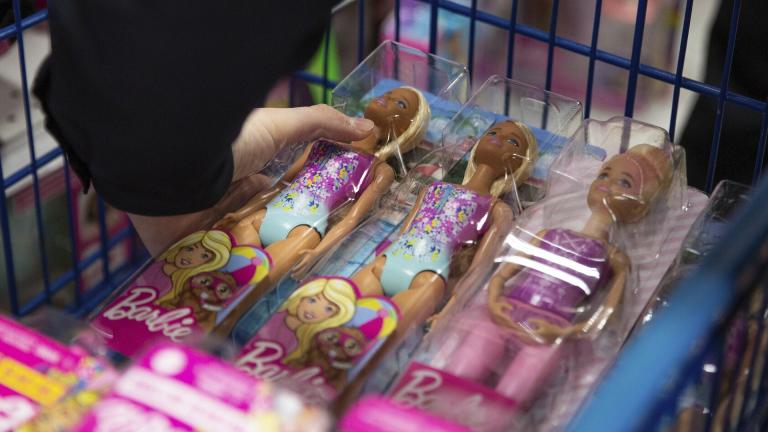
President Donald Trump asserted that children will be fine having two dolls — perhaps three or five — instead of 30 if U.S. import taxes increase consumer prices.
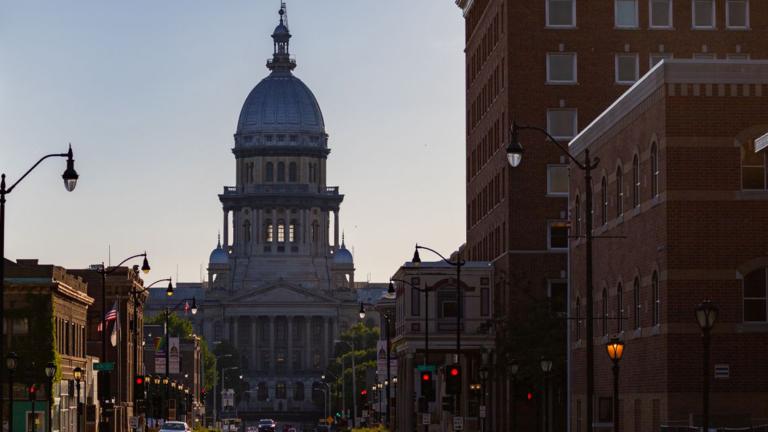
The Commission on Government Forecasting and Accountability’s upward revision to its revenue forecast remains significantly more conservative than what Gov. JB Pritzker’s office projected when he proposed a budget in February.
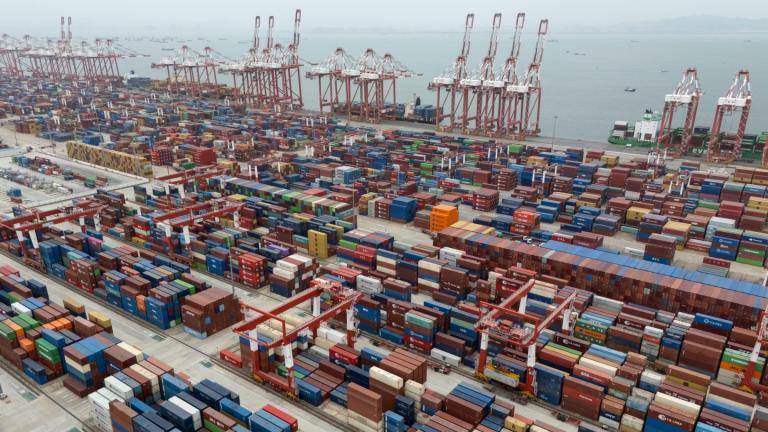
The U.S. economy shrank at a 0.3% annual pace from January through March, the first drop in three years, as President Donald Trump’s trade wars disrupted business.
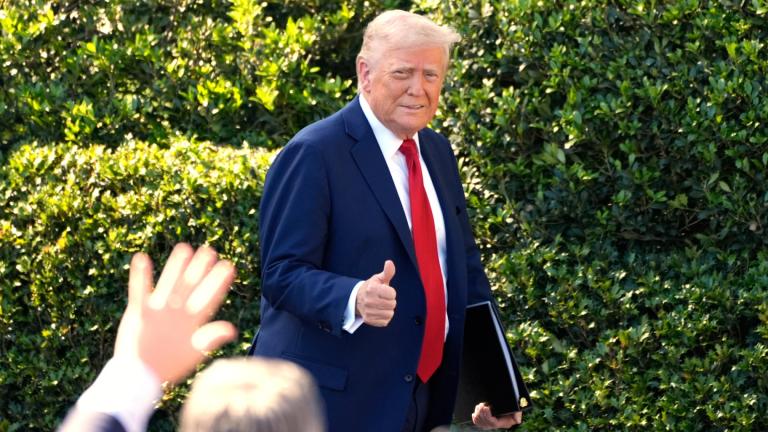
Automakers and independent analyses have indicated that the tariffs could raise prices, reduce sales and make U.S. production less competitive worldwide.
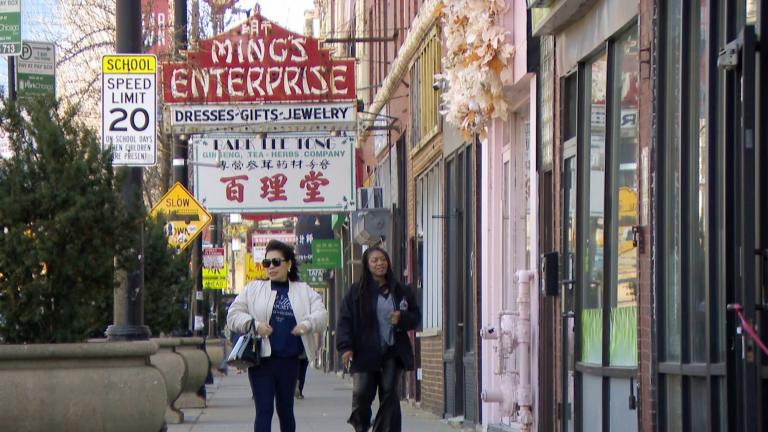

The U.S.-China trade war has been ratcheting up for nearly a month now. President Donald Trump announced new tariffs on almost all U.S. trading partners April 2 in what he declared “Liberation Day,” with China becoming the main target.
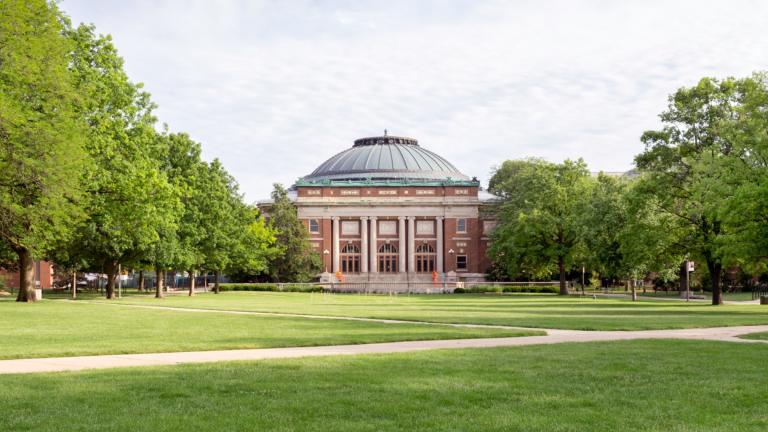
The cost of tuition and fees for statewide undergraduates on average has risen 10% higher since FY09 than if it had simply kept pace with inflation. For graduate students, that discrepancy is 16%.

The latest turmoil threatens to engulf the Pentagon, where Defense Secretary Pete Hegseth has pushed out top advisers and faces fresh controversy over sharing sensitive information about airstrikes in Yemen outside of classified channels.
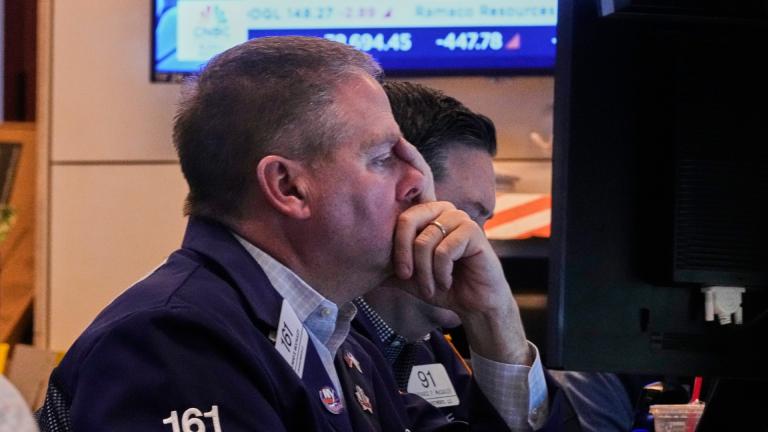
The S&P 500 sank 2.4% in another wipeout. That yanked the index that’s at the center of many 401(k) accounts 16% below its record set two months ago. The Dow Jones Industrial Average dropped 971 points, or 2.5%, while losses for Tesla and Nvidia helped drag the Nasdaq composite down 2.6%.

The event, “Spend in the Black: Resurrecting the Black Dollar” will take place Saturday from 10 a.m. to 6 p.m. at 75th Street and King Drive. The purpose of the event is to redirect collective economic power into local communities, according to event organizers.
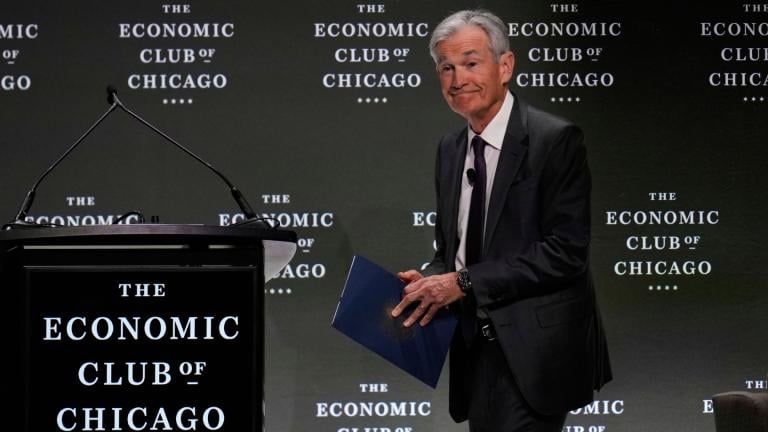
Speaking at an Economic Club of Chicago luncheon Wednesday, Powell said that despite the instability, the nation’s economy is still in a “solid position,” in particular its labor market. But he acknowledged that while the rate of inflation is slowing, the sharp price increases consumers have faced over the last several years are still hitting Americans in their pocketbooks.

President Donald Trump is forging ahead with his aggressive tariff campaign, moving on from “reciprocal” tariffs to the sector-specific tariffs he promised.
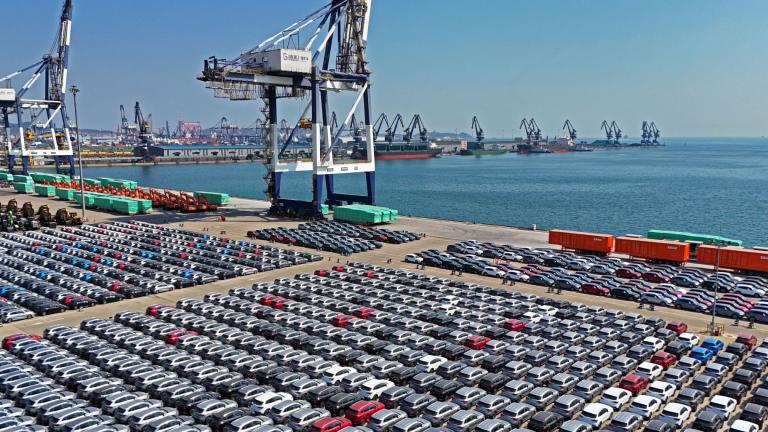
While U.S. President Donald Trump paused import taxes this week for other countries, he raised tariffs on China and they now total 145%. China has denounced the policy as “economic bullying" and promised countermeasures. The new tariffs begin Saturday.

President Donald Trump’s tariffs on foreign goods — specifically those sourced from China — are expected to heighten the prices of everyday tech products, from iPhones to laptops, cars and even smaller gadgets like headphones and computer mice.
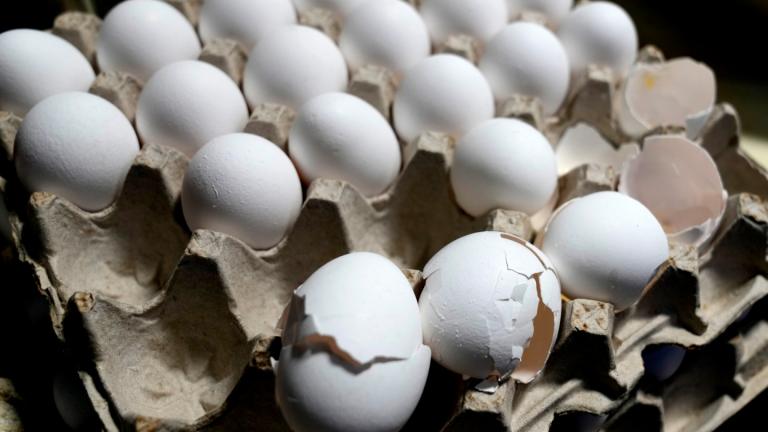
The increase reported Thursday in the Consumer Price Index means consumers and businesses that rely on eggs might not get much immediate relief.
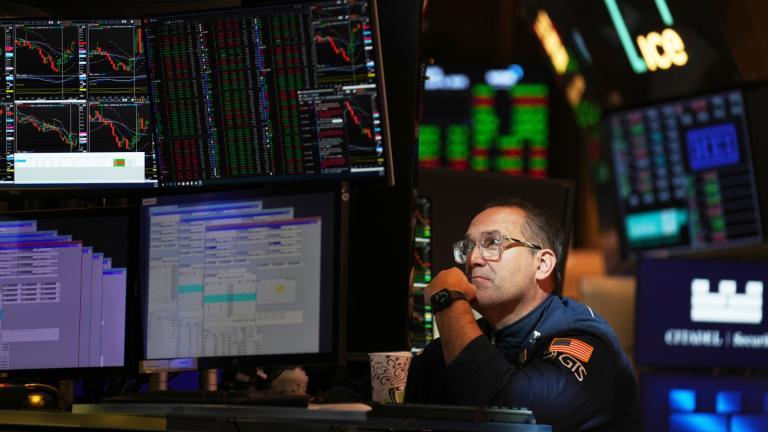
U.S. stocks soared to one of their best days in history on a euphoric Wall Street Wednesday after President Donald Trump said he would back off on most of his tariffs temporarily, as investors had so desperately hoped he would.
Trending
2026 Chicago Festival Guide

CPD Sergeant Who Led Botched Raid at Home of Anjanette Young Now Working as a Suburban Police Detective

Woman Charged With Fatally Stabbing 7-Year-Old Girl Walking in Chicago Saturday

Key City Panel Unanimously Agrees to Pay $260.8M to Resolve 16 Lawsuits Tied to Disgraced Ex-CPD Detective Reynaldo Guevara
Marimar Martinez Hopes New Lawsuit Could Spur Criminal Charges 1 Year After Border Patrol Agent Shot Her

Sign up for the WTTW News newsletter