

Black Voices
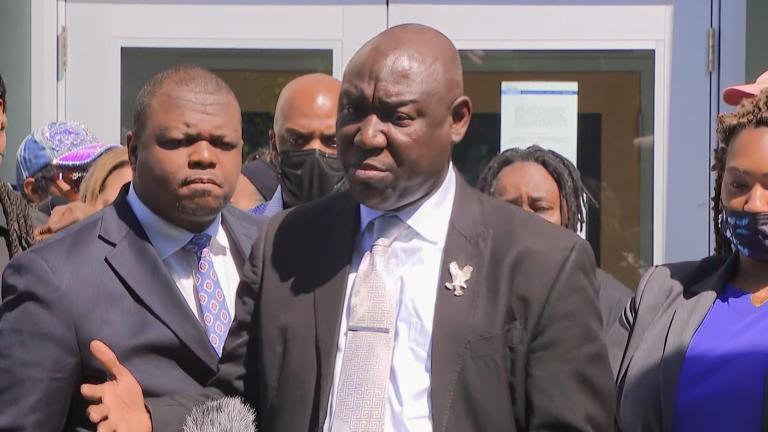

Attorney Ben Crump has become a household name as the go-to lawyer for families impacted by police violence, including those of Michael Brown, George Floyd, Breonna Taylor, Jacob Blake and many others. He was in Chicago Tuesday calling for federal police reform.
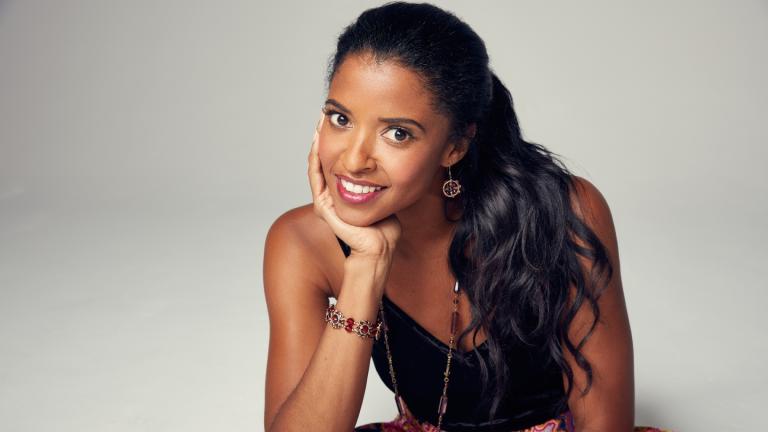
Broadway Star Renée Elise Goldsberry was in Chicago Saturday for a one-night-only concert performing classic songs from artists like Aretha Franklin, along with her own Broadway hits.
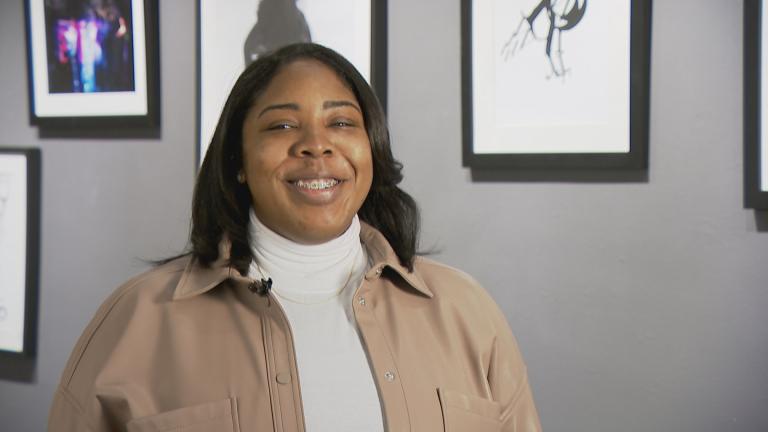
An exhibit celebrating Black creativity is open from now until April 17 at the Museum of Science and Industry.

A fight for transgender lives. The LGBTQ community speaks out after two Black trans women are found dead. And a preview of “Fire Shut Up In My Bones,” now playing at Lyric Opera.
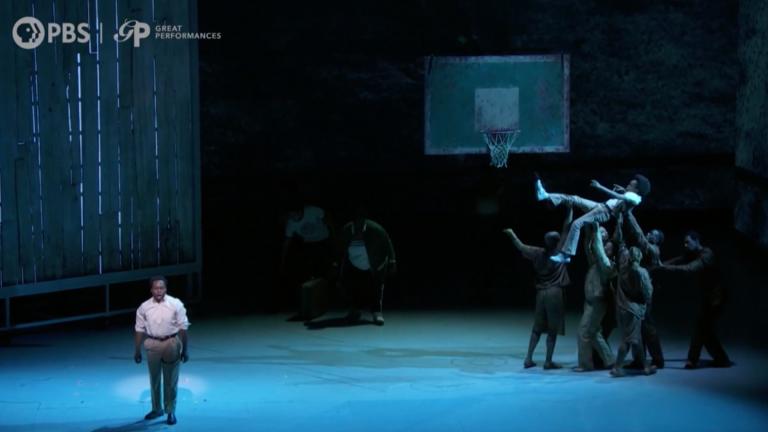
“Fire Shut Up In My Bones” is based on a memoir by longtime New York Times columnist Charles M. Blow. Composed by Terence Blanchard, the story explores how Blow works to heal from traumatic incidents of abuse in his childhood.
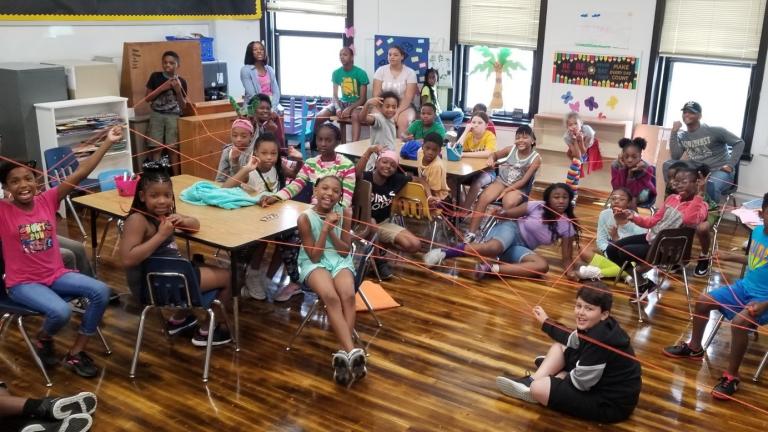
The state recently announced a $17 million grant to build the first state-funded network of Freedom Schools in the country. The schools date back to the 1960s when volunteers traveled to Mississippi to teach Black students how to read and write, along with lessons on constitutional rights and African American history.
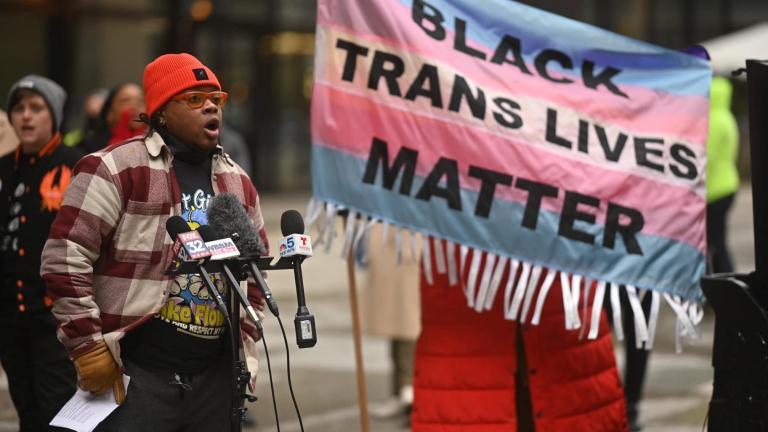
Tatiana LaBelle, also known as “Tee Tee,” was found in a trash can, beaten to death in the Chatham neighborhood on March 18. Her death was ruled a homicide. One day later, transgender activist Elise Malary was found dead along the lakefront in Evanston, a week after she was reported missing.

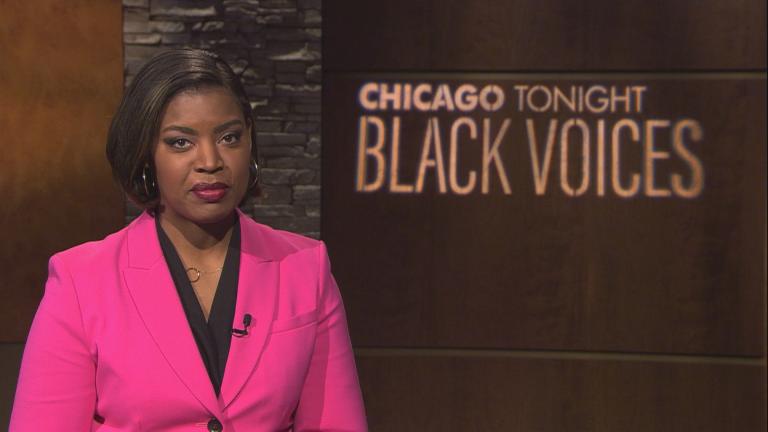
“Chicago Tonight” co-host and “Chicago Tonight: Black Voices” host Brandis Friedman moderated the latest edition of our “Chicago Tonight: Black Voices” community conversation series in a discussion focused on the state of voting rights.
A mental health initiative led by young men of color. A film about marijuana criminalization produced by a Chicago cannabis company. And A South Side ER is the backdrop for a book on U.S. health care.
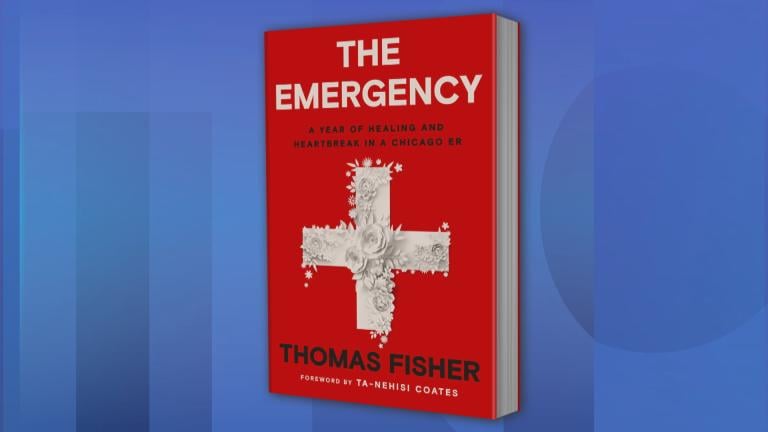
Pandemic inequities and how health care systems contribute to them are the focus of the latest selection in our “Black Voices Book Club” series, “The Emergency: A year of Healing and Heartbreak in a Chicago ER.”
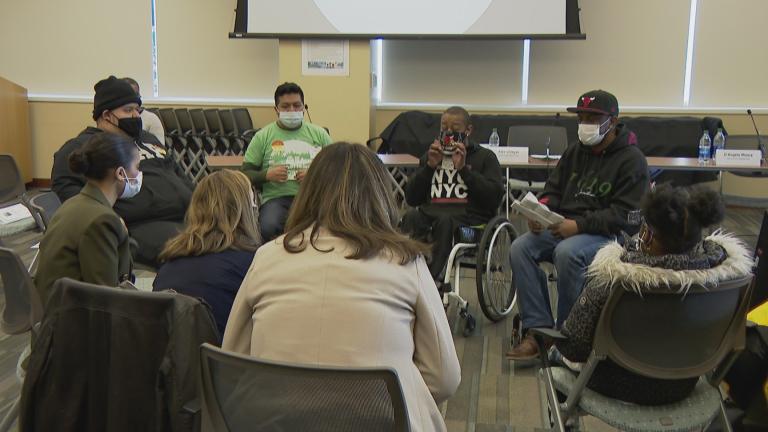
In collaboration with Lurie Children’s Hospital, young researchers with the racial justice organization Communities United conducted a study focused on the mental health and well-being of Black and Brown young men in Chicago.
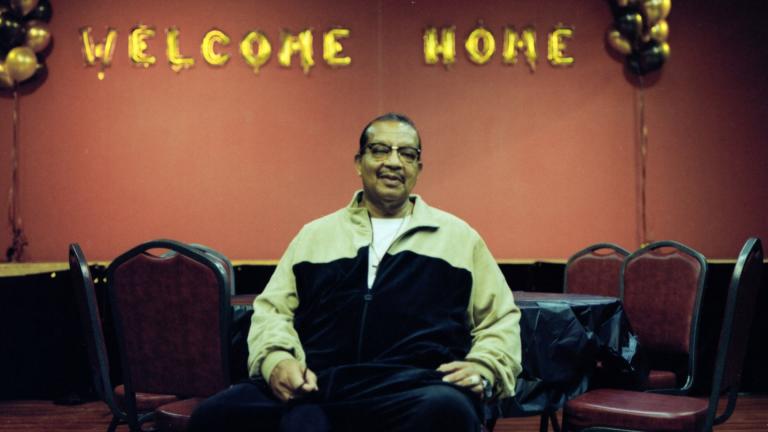
A Chicago-based cannabis company is now working to expose harsh sentences for recreational marijuana use as it becomes legal in several states. Cresco helped produce a short film on the sentencing of Michael Thompson, a Michigan man who was given 42 to 60 years in prison for a marijuana-related arrest.
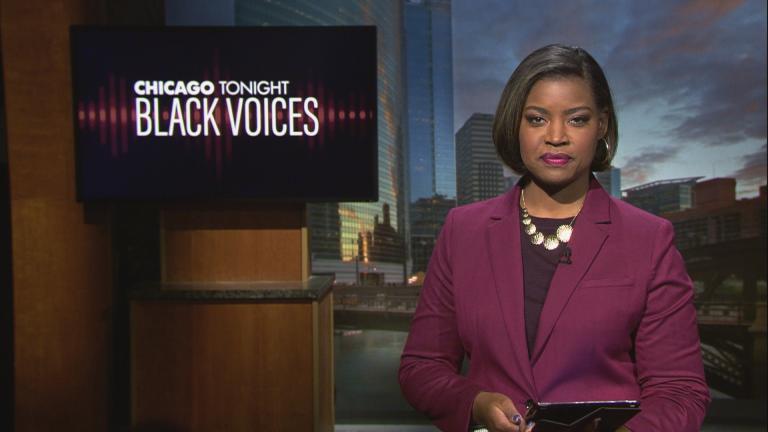
A Black/Latino Voices crossover: what it means to be a refugee. The state’s outgoing top doctor joins us. The Emmett Till Anti-Lynching Act heads to the president’s desk. And going green in Englewood.
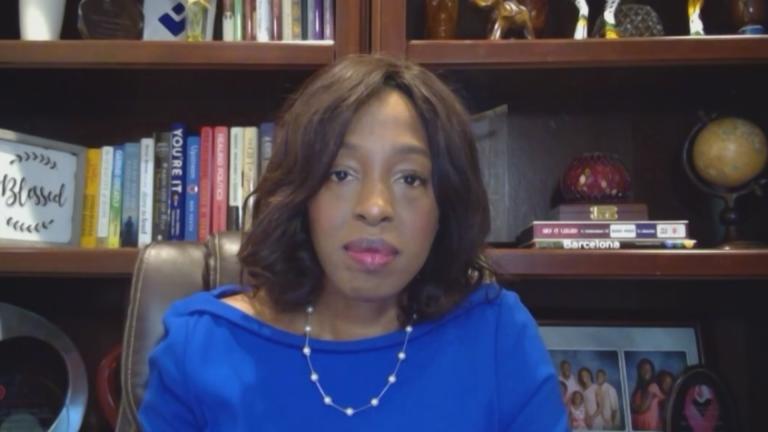
Dr. Ngozi Ezike’s last day as director of the Illinois Department of Public Health is March 14. In a one-one-one interview, she spoke about her plans for the future and reflected on the last two years of COVID-19 response efforts.
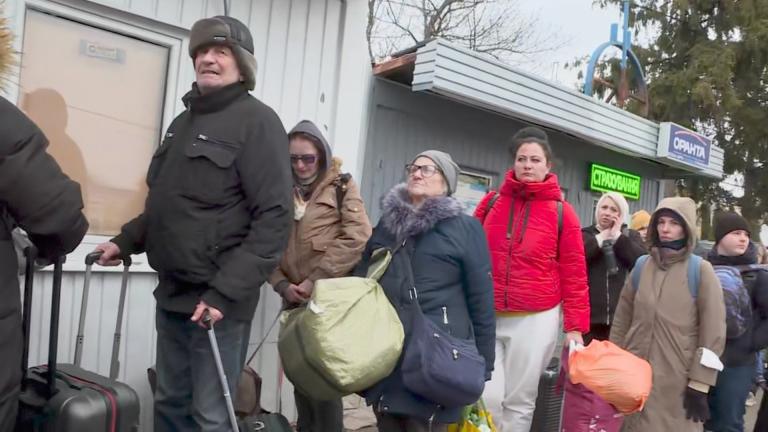
More than two million people have left Ukraine since the start of Russia’s attack, finding refuge in nearby countries. Nations have opened their borders and hearts to Ukrainians, happily taking them in. It’s a stark difference from 2015, when Europe faced another refugee crisis.
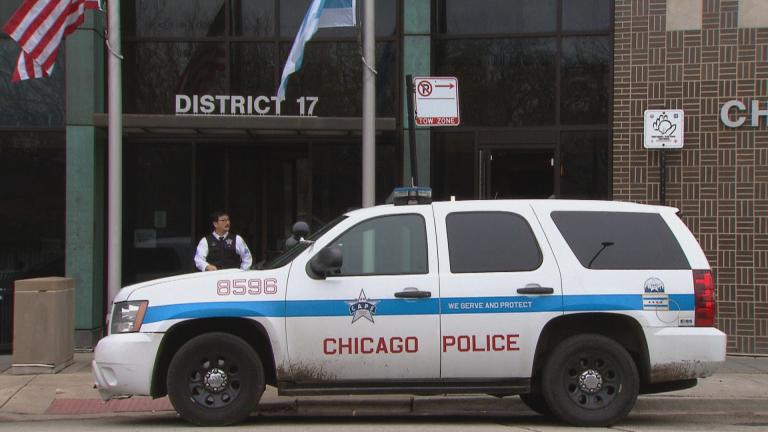
Chicago police officers were more likely to stop and use force against Black Chicagoans than other racial groups, according to a new report from the Office of the Inspector General.
Trending
Republican Ohio Gov. Mike DeWine Denounces Ramaswamy Ad Featuring Democrat Amy Acton’s Estranged Mother
Chicago to Test New Gunshot Detection System in 6 South, West Side Districts: Johnson

CTA to Suspend Loop Elevated Train Service This Weekend for Track Maintenance

Mayor Johnson Again Proposes Corporate Tax Hikes to Bridge Budget Gap; Says City Must Borrow $481M to Resolve Police Misconduct Lawsuits
Suspend 4 CPD Officers Who Stopped, Shot Dexter Reed for Violating Rights of 4th Driver: Former Top Cop
Sign up for the WTTW News newsletter