

Black Voices


According to city data, 60% of Chicagoans live in rental properties, and a June report by real estate platform Domu finds the median rent for one-bedroom apartments in Chicago is up 8% since January. With fierce competition for apartments, the city’s renters – many of whom are Black– are more vulnerable targets for scammers and shady landlords.

According to CPS data, fewer than 4% of CPS teachers are Black men. In a school district where 36% percent of students are Black, that’s a striking imbalance.

Getting more Black men to the head of the classroom, as teachers. Plus, as the rental market gets squeezed, how to spot a scam. And we'll catch up on the first two weeks of R. Kelly’s Chicago trial.

As school starts back up, students especially rely on the internet for everything from research to turning in their homework. But for some of those students, reliable internet access is still tough to come by. A few area programs are looking to change that.

The state of digital equity as kids head back to school. Plus, local Amazon workers allege a hostile work environment. And a homegrown music festival comes to Garfield Park.

An end of summer celebration is coming soon to the West Side in Garfield Park with the “Purple Block Party” at the Garfield Park Music Circle Center.

New research on civic engagement, and how the work in Black communities isn’t always counted. The head of Chicago’s FBI office retires. Bud Billiken expands. And remembering Albert Woodfox.

Census data says volunteering has declined in Chicago, while new research says previously collected data doesn’t include the wide range of community organizing in the city, oftentimes leaving out the work of Black, Latino and working-class people.

Attempts to level the playing field as the state rolls out more cannabis licenses. Plus, guns in the hands of Chicago teens in this week’s “Black Voices” book club. And training the next generation of environmental health advocates.
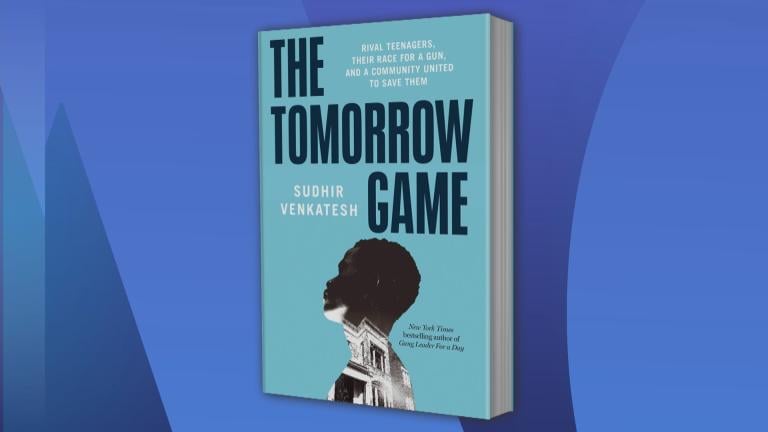
A new book dissects how a conflict between Chicago teenagers escalates into gun violence – and how the community steps in to save them.
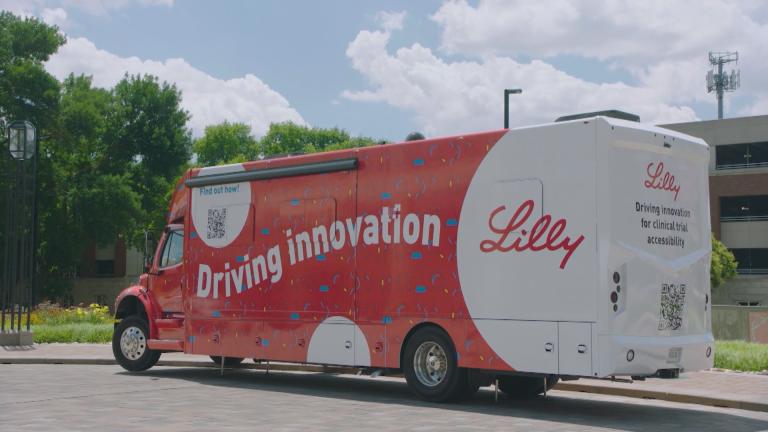
The Alzheimer’s Association reports that among Black Americans age 70 and older, more than 21% are living with that disease. Pharmaceutical company Eli Lilly is launching a clinical trial of a new drug therapy for those at risk, and they’re looking for participants in Chicago.

According to the state, of the business selected for the cannabis licenses, 41% are majority Black owned, 7% are majority White owned, 4% are majority Latino owned and 38% did not disclose the owner’s race.

A career development initiative has taken root on Chicago’s South Side for young people who want to improve the health of their community.

A grassroots movement fighting homelessness in Chicago. A public art initiative aims to inspire climate action. And kids exploring opportunities in the performing arts.

A new proposal would increase the city’s real estate transfer tax, a one-time tax paid when a property is sold, by nearly 2% on properties over $1 million. An advocacy organization says the move would impact about 4% of properties sold and would generate $163 million to fund permanent affordable housing with services.

As brutal heat waves sweep across the globe, calls to address the effects of climate change have become increasingly urgent. But in addition to large-scale policy efforts, making lasting change often starts with individuals.
Trending
Pair of Chicago Elementary Schools Named Top in Illinois in New U.S. News Rankings
Mother-Son Reunions Among Latest Milestones for Shedd’s Rescued Belugas

Republican Ohio Gov. Mike DeWine Denounces Ramaswamy Ad Featuring Democrat Amy Acton’s Estranged Mother

Chicago Hotel Workers Expand Strike as They Negotiate Wages, Working Conditions

Chicago to Test New Gunshot Detection System in 6 South, West Side Districts: Johnson
Sign up for the WTTW News newsletter