Health
US Measles Cases Are at Their Highest in 35 Years. Doctors Share What You Should Know
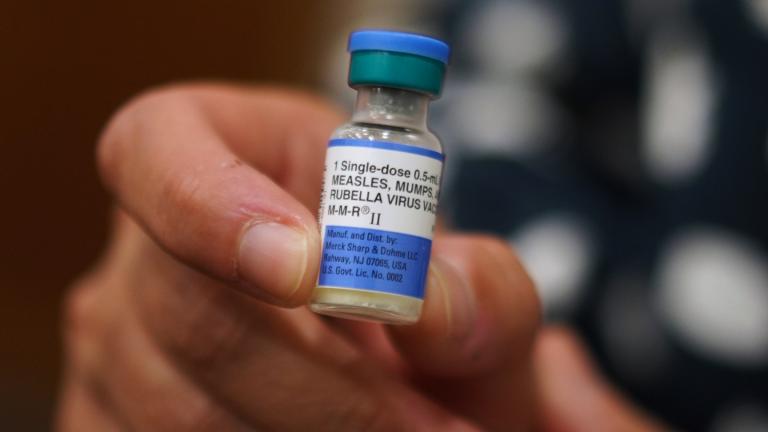
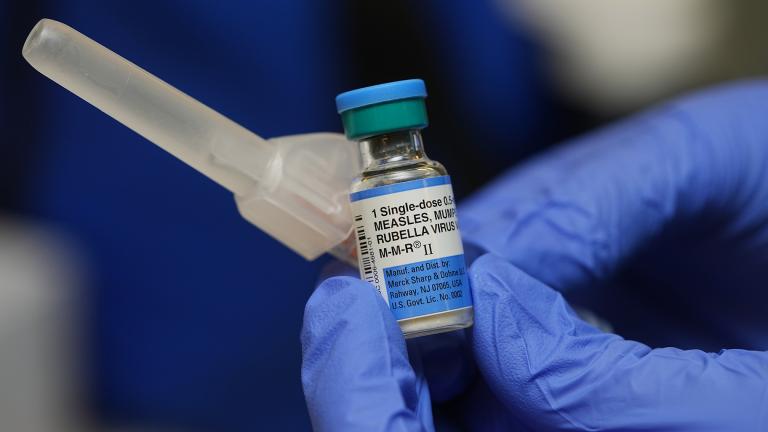
One week ago, the U.S. lost its measles elimination status. Nationwide, cases are at their highest in 35 years at more than 6,300 so far in 2026 due to declining vaccination rates.
While there are currently no reported cases in Chicago, Illinois has had 29 cases this year, which is more than double what the state saw in 2025.
Dr. Garth Walker, commissioner of the Chicago Department of Public Health, and Dr. Allison Bartlett, a pediatric infectious diseases specialist at the University of Chicago, joined “Chicago Tonight” to discuss how to keep Chicagoans protected from potential outbreaks.
Was it surprising the U.S. lost elimination status?
Walker: “When you look at the national trend of reduced vaccinations, it is not surprising that we’re in this current state, but we have to make sure we spread the evidence and talk about the benefits of vaccinations to be able to keep our city safe and move forward.”
How bad is measles?
Bartlett: “Part of the issue that we’re having is that people have not seen measles, not lived through it and they’ve lost an appreciation for just how serious measles can be. The majority of the time, kids who get measles do fine, but there are serious risks of complications: 1 in 10 kids will get an ear infection, 1 in 20 will get pneumonia. Some kids will end up in the hospital, some will have permanent brain damage, and between 1 and 3 out of 1,000 kids will die. We are seeing the first really significant numbers of measles deaths in a long time.”
How can Chicagoans protect against a potential outbreak?
Walker: “The first thing to do is to make sure you understand your vaccination status. Talk to your provider and make sure you had both doses of the vaccination at some point in your history and make sure your children are vaccinated. … If you’re vaccinated, you’re most likely to not have any symptoms and be safe. What we really need to make sure as a society is we need to remain above herd immunity. Luckily, in Chicago and Illinois, children across Chicago Public Schools have maintained vaccination above 95% and we see that trend across our state.”
Are doctors who have never encountered measles prepared to respond efficiently?
Bartlett: “Part of the challenge with responding to measles efficiently is that it is such a contagious infection. Not only do you have to monitor the specific patient but you have to be part of preventing transmission to others. So if 10 people who are not vaccinated against measles are exposed to a patient with measles, nine of them will get the measles. Measles can stick around in the air for up to two hours after a patient has left. Coming to a healthcare facility for an evaluation of measles can put all of those other individuals at risk.”
It can be difficult for students with precarious healthcare and housing situations to get vaccinated, particularly for lower-income families. If a parent can’t find their child’s vaccine records, doesn’t have a regular pediatrician or access to an appointment, where can they go for help?
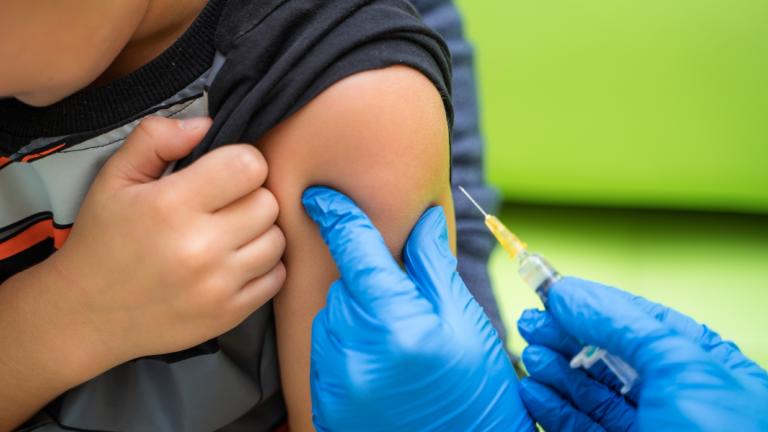
Bartlett: “There is a program called Vaccines for Children, which actually was developed in the ‘80s and ‘90s because of measles infections that we were seeing then to ensure that every child has access to free vaccinations and the city has locations for that.”
Walker: “When we talk about the societal component, children miss school. … When we’re talking about an environment where education is a priority, we need to make sure we have that level of continuity. … When you have these outbreaks (as we saw in COVID-19) it adds another stress to our healthcare system, it adds more stress to the emergency department. … It makes it harder to treat heart attacks, it makes it harder to treat strokes, it makes it harder for physicians to do their jobs. It takes a concerted effort for us to make sure we can keep Chicago healthy.”
People are on their way to large gatherings as we kick off the holiday season. How do we stay safe when traveling to states with outbreaks, such as Wisconsin and Minnesota?
Walker: “Part of it is understanding where you’re going, if there’s any outbreaks occurring, understanding your (vaccination) status. … A lot of this is about being aware as well, knowing what are the precautions you can take. COVID-19 wasn’t too far away, so it’s a lot of the similar learnings that we need to implement today.”
What about keeping a new baby safe at a family holiday gathering?
Bartlett: “Infants are incredibly vulnerable. They’re actually one of the groups that is always at risk of measles because they’re not old enough to get a vaccine. One of the reasons that all of the rest of us need to make sure that we’re immune is to protect those vulnerable infants.”
Should adults get a booster shot?
Bartlett: “There is a group of adults who only got one vaccine as a child. One vaccine is about 93% effective. We started giving the second dose in the early ‘90s because we started seeing some breakthroughs (of cases). (Both doses are about 97% effective). So there’s a group of adults born in the ‘90s who probably don’t have a second dose, so it’s worth them checking their records.”