Business
Peoples Gas President on Proposed Rate Hike, Modernization Plans: ‘It Is About Safety, Reliability’
A rate hike proposed by Peoples Gas is sparking debate over affordable energy and the necessity of replacing century-old iron pipes in Chicago.
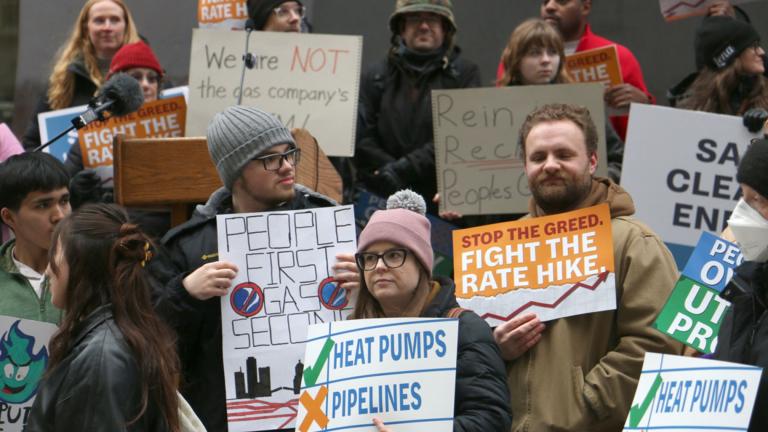
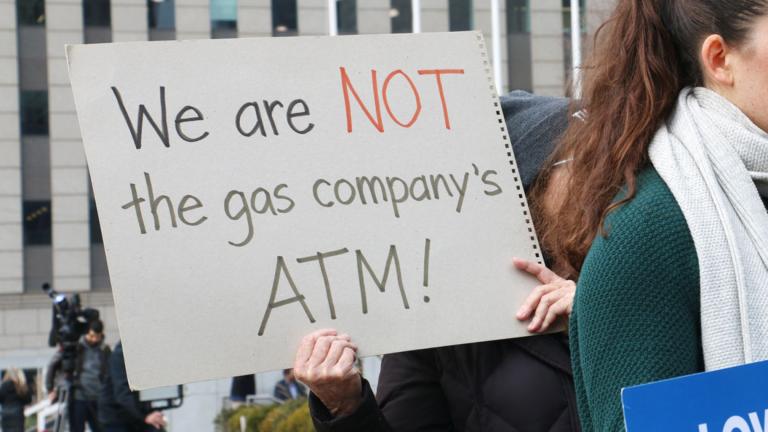
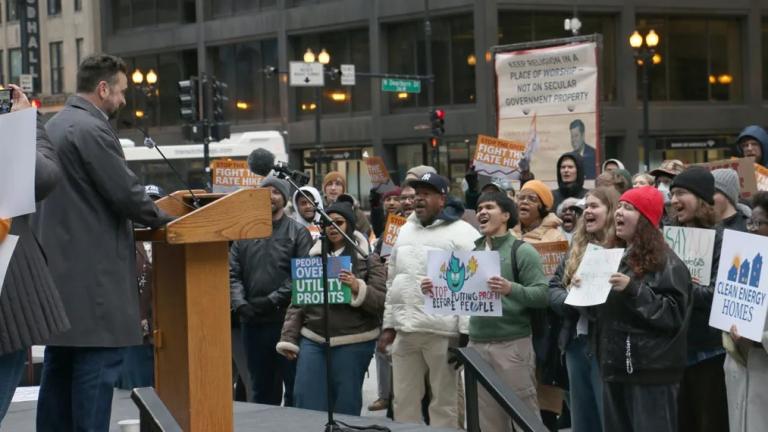
The utility company’s current $144 million proposed hike has received pushback by consumer advocates who claim that number could go far lower to achieve the same goal. Administrative law judges with the Illinois Commerce Commission recommended the proposal be brought down to $66 million — a 54% decrease.
“It is about safety, reliability, but importantly, responsibility,” said Maria Bocanegra, president of Peoples Gas and North Shore Gas, discussing the 1,000 miles of cast iron and ductile iron that needs to be retired on or before Jan. 1, 2035, per the ICC’s directive.
The directive prompted Peoples Gas to file for a $202 million rate increase earlier this year. The utility company then reduced the hike to $144 million, saying project costs were lower than expected.
During an Oct. 8 appearance on “Chicago Tonight,” Jim Chilsen of the Citizens Utility Board criticized the rate hike, saying the utility company already had the means to modernize its system without raising rates.
“Peoples Gas, this year, is going for their record profit for the eighth time in 10 years,” Chilsen said. “This company has plenty of resources. By the way, the company always says this is about maintaining their system. They conveniently leave out the fact they’re asking for a 10.1% profit rate for their shareholders and they’re rolling in profits.”
Bocanegra challenged that criticism, saying: “The costs that we have proposed forth are the cost of the investments mandated under the ICC and include a rate of return that is ultimately reviewed and set by the commission. Any suggestion that this is nothing more than profit mongering is completely false.”
For concerns around affordability, Bocanegra pointed to income-based assistance programs like the Low Income Home Energy Assistance Program (LIHEAP) and the Low Income Discount Adjustment.
If approved by regulators this December, the amended request would add around $7-8 to monthly bills for typical residential customers, down from the $10-11 sought in the original request. It would take effect at the end of 2026 or start of 2027, depending on the timing of the decision.
“We’re very cognizant that it’s a careful balancing act between doing what is mandated under the ICC’s directive, but at the same time, always keeping customers front and center,” Bocanegra said.