Science & Nature
MWRD Announces Projects to Remedy Stench of Thornton Reservoir
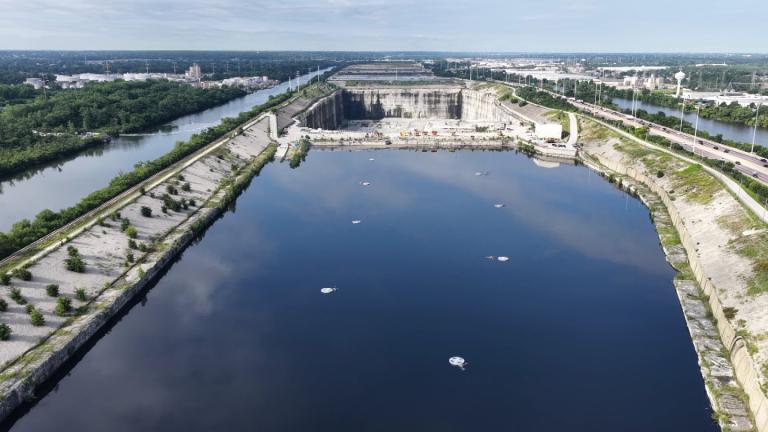
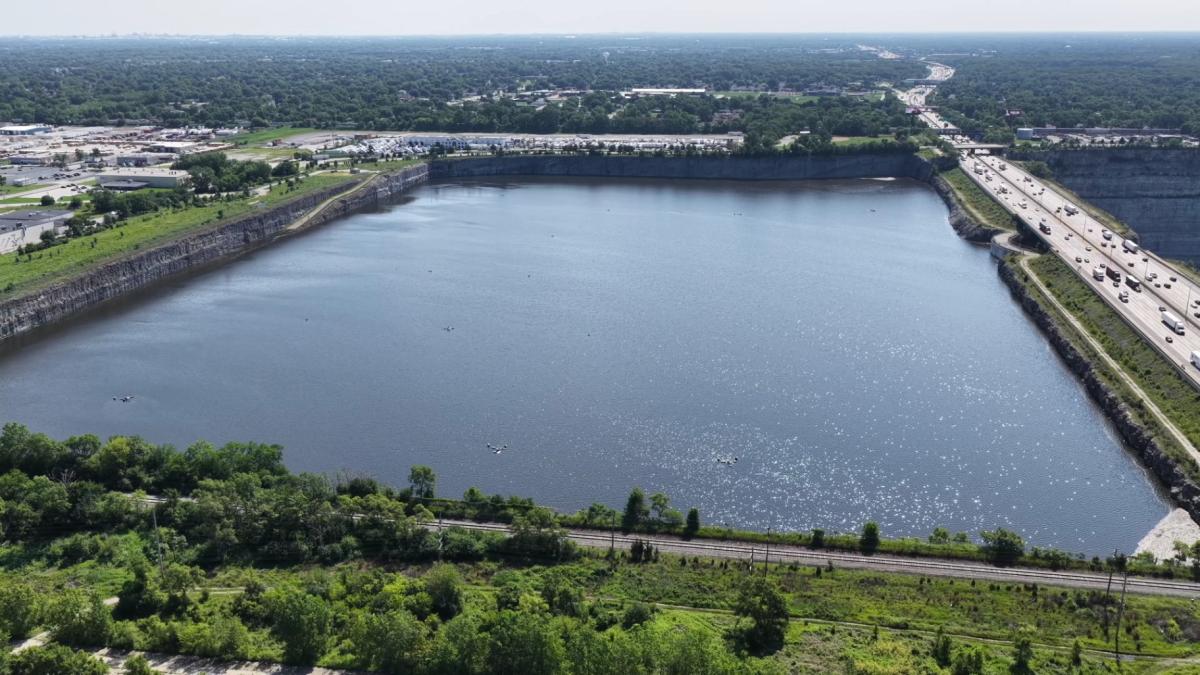 The Thornton reservoir is pictured on July 6, 2026. (Courtesy of MWRD)
The Deep Tunnel system did its job this week, keeping billions of gallons of storm and wastewater from flooding people’s homes following a deluge of rain over the 4th of July holiday weekend.
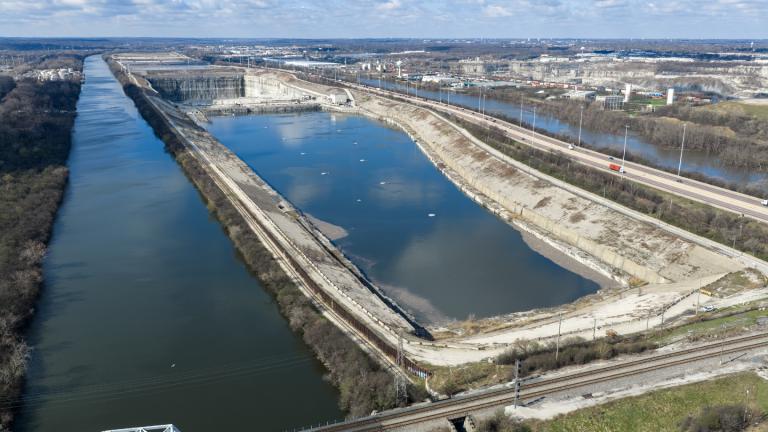
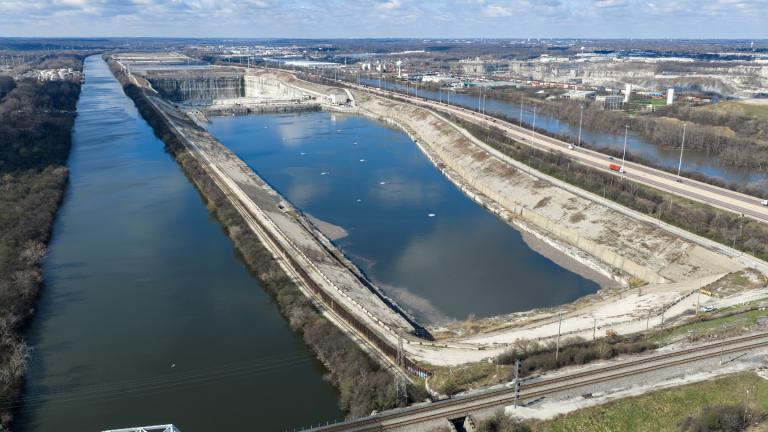
But a whole lot of that water continues to stew in the massive Thornton reservoir, which serves the South Side of Chicago and 13 south suburban municipalities. Neighbors have described the stench emanating from the reservoir as “horrific” and “putrid,” among the more print-friendly adjectives.
The Metropolitan Water Reclamation District of Greater Chicago (MWRD) acknowledged the odor and said it has a pair of projects in the pipeline, totaling $5 million, that should help address the stinky situation at Thornton. Work is expected to be completed by the end of 2026.
A carbon scrubber is currently being installed on shafts near the reservoir to address occasional tunnel odors, according to the agency, while a second project involves installing an odor mitigation system along the perimeter of the reservoir.
“The Metropolitan Water Reclamation District is committed to being a good neighbor wherever we have operating facilities, because protecting the quality of life for Cook County residents is vital,” said Kari Steele, president of the MWRD board of commissioners.
Earlier in the week, the Thornton and McCook reservoirs hit capacity after weekend storms dumped a month’s worth of rain in a 48-hour period.
Thornton had previously never been more than 54.5% full. As of Friday afternoon, Thornton was at 85% capacity.
The McCook reservoir, serving central Chicago and 36 municipalities, hit capacity July 3, which is the sixth time that’s happened this year alone. McCook had filled five times prior between 2021 and 2025. It was 64% full on Friday.
“We’re still in a ‘near-capacity situation,’ but we’re starting to pump down the reservoirs,” John Murray, executive director of the MWRD, told WTTW News. “And so as each day goes by without any rain, we’ll get closer and closer to emptying the reservoirs.”
The MWRD is currently draining 600-700 million gallons per day out of the reservoir system.
Andrew Montequin contributed to this report.
Contact Patty Wetli: [email protected]