Politics
Chicago Bears Are ‘80% of the Way’ Toward Hammond Stadium: Sports Consultant
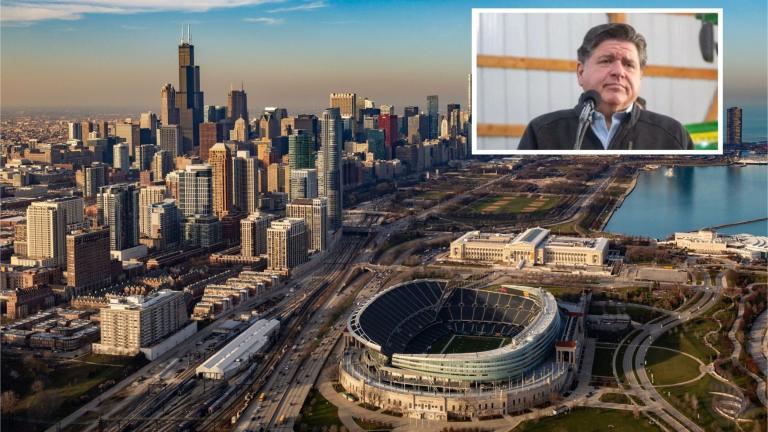
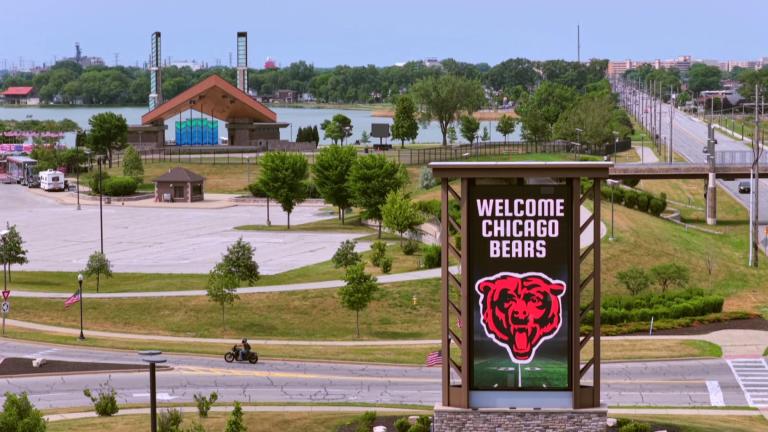
The Chicago Bears will build their next stadium in Hammond, Indiana — maybe.
The team made the announcement Friday after years of negotiations with Illinois state lawmakers over a deal to build a stadium in either Arlington Heights or on the Chicago lakefront.
In the meantime, Indiana lawmakers quickly approved the incentives Bears leadership had long sought from Illinois. But some Illinois leaders insist the effort to keep the team in the state is not over.
In a statement released Friday, Chicago Mayor Brandon Johnson said he will continue speaking with Bears leaders until there are “shovels in the ground in Hammond.”
Illinois state Sen. Bill Cunningham (D-Chicago) told Capitol News Illinois that Bears President and CEO Kevin Warren is still open to negotiations with Illinois.
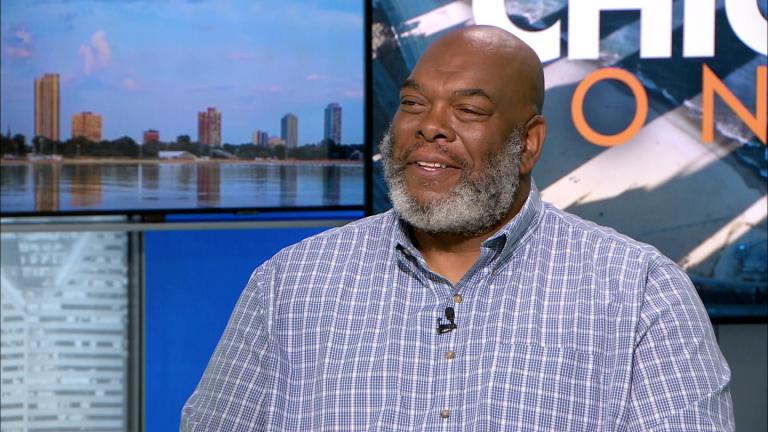
Marc Ganis, president and co-founder of sports business consulting firm SportsCorp, said the Bears are 80% of the way toward being fully committed to Hammond.
“If you want to think of it in a continuum, think of it as, say, 80% of the way there,” Ganis said. “And every month that goes by, every week that goes by, that probability increases. We’ve seen no activity by the political leadership of Illinois to actually come together on a single plan that they will commit to and present to the Bears. So seems in many ways Illinois leadership has given up.”
In February, Indiana Gov. Mike Braun signed a bill that created a northwest Indiana stadium authority. Under the bill, the authority can purchase a site and rent the property to the Bears for a minimum of 35 years. The Bears would not pay any property taxes on the stadium and would have the option to purchase the property for $1 after 35 years.
Indiana state Rep. Earl Harris Jr. (D-East Chicago) was a co-sponsor of the bill. He combatted the notion that the legislation amounted to a free state-funded stadium for the Bears.
“The Bears will provide $2 billion, and that’s big,” Harris said. “Some of the false narrative has been, ‘Oh, they’re gonna get a free stadium, they’re not gonna have any involvement.’ But they’re actually going to contribute a lot to this.”
Passing similar legislation in Illinois proved a challenge for lawmakers who were eager to keep the team in state but not provide excessive taxpayer incentives to a multibillion-dollar company.
Lawmakers in Springfield debated a bill until the final hours of the spring session that would have allowed the Bears to make fixed payments in lieu of property taxes, stopping short of creating a full-fledged stadium authority.
The bill ultimately came up short, prompting the Bears to move forward with stadium plans in Hammond. Ganis said Illinois’ job was much easier than Indiana’s.
“Illinois never needed to match the incentives,” Ganis said. “All they needed to do was come up with a feasible deal, and they never did that. Indiana is putting up a billion dollars going into the stadium — the Bears never asked for any from Illinois to go into the stadium.”
In a statement, Illinois House Speaker Emmanual “Chris” Welch said Indiana’s legislation is tantamount to a tax increase on working families.
“While Indiana is willing to raise taxes and promise $1 billion in taxpayer funds,” the statement said, “Illinois has focused on the needs of working families who want relief at the gas pump, at the store, and on their insurance bills—not taxpayer-funded stadiums.”
Harris said Indiana taxpayers will not be faced with any additional bills related to stadium construction.
“There’s been this attempt to make it sound like if you live in northwest Indiana, you’re going to receive a tax bill that’s gonna go to the stadium,” Harris said. “That’s not how it works. That’s not what’s in the legislation.”
During the negotiations, Illinois lawmakers frequently expressed frustration with Bears leadership, who they say continually shifted the goalposts. A spokesperson for Illinois Gov. JB Pritzker said, “the Bears have built a storied legacy in Illinois for over 100 years, but have spent the last six years, and especially the last few months, shifting their position on a stadium location.”
Harris said he’s not worried about the Bears changing course.
“I feel good about it,” Harris said. “We’ve done a great job at putting something out there for them. They have been in contact and communication. So I’m looking forward to the day we’re sitting in a stadium in Hammond for the Bears’ first home game.”
Republican Illinois legislators Tuesday announced their own plan to keep the Bears in Illinois. The effort led by state Rep. Dan Ugaste (R-Geneva) also comes short of setting up a stadium authority, but allows local taxing bodies to negotiate with the Bears and raises the limit on how much the team can privately invest in the project.
Ganis said the window is still open for Illinois, but that a new Chicago stadium will not happen.
“The Bears have said unequivocally that the only two sites they’re looking at are Hammond and Arlington Heights,” Ganis said. “Somebody passes a rumor that the Bears talked to a lawyer for the city and talked about coming back to the city, and then that took off as reality. I don’t believe that actually happened.”