Politics
Despite Warnings, Chicago City Council Set to Move Full Speed Ahead on Video Gambling
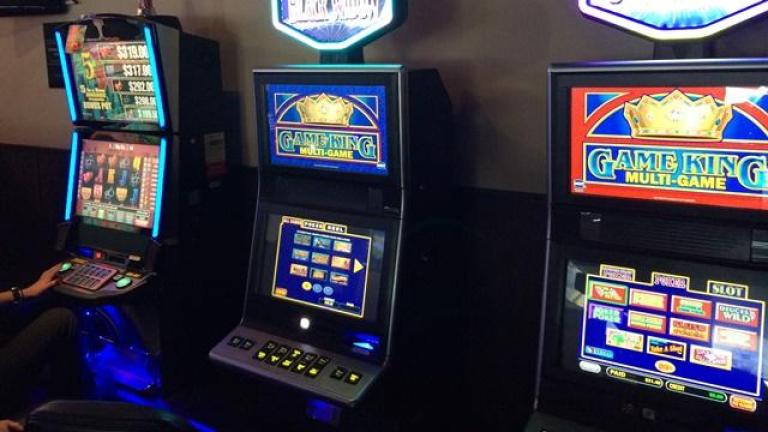
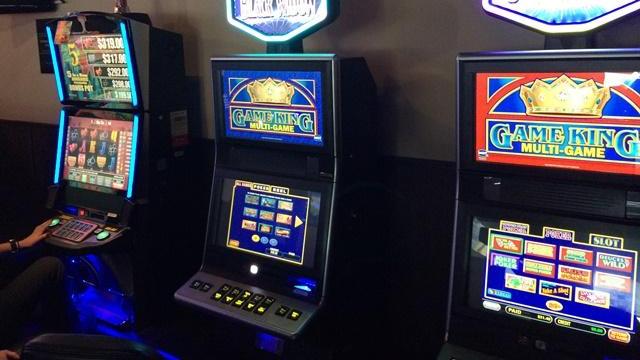 Video gambling machines are pictured in a file photo. (WTTW News)
Chicago officials would be required to speed efforts to approve city licenses to allow video gambling at bars and restaurants under a measure that advanced Monday, despite warnings that it will handicap the city’s permanent casino even before it opens and strain city resources.
The Chicago City Council’s License and Consumer Protection Committee voted to direct the city’s Department of Business Affairs and Consumer Protection to begin processing requests from bars and restaurants that want to offer video poker and slots even as state gambling officials process their applications for licenses.
Ald. Brendan Reilly (42nd Ward) cast the lone no vote against the measure, which now heads to a final vote by the City Council on Wednesday. Just two alderpeople can block a vote on the proposal at that meeting, according to the City Council’s rules.
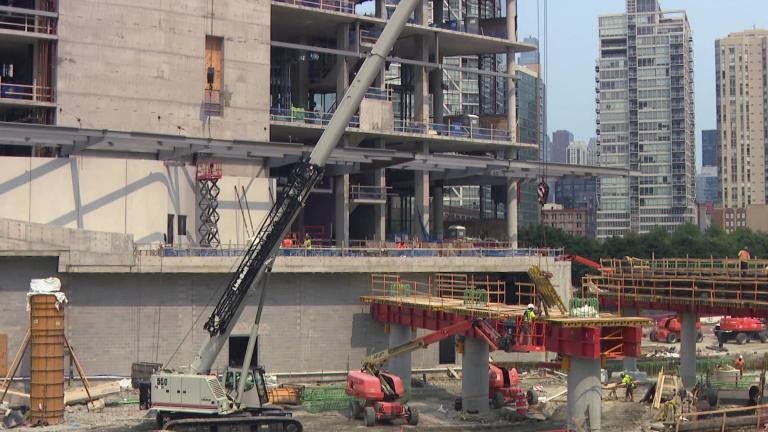
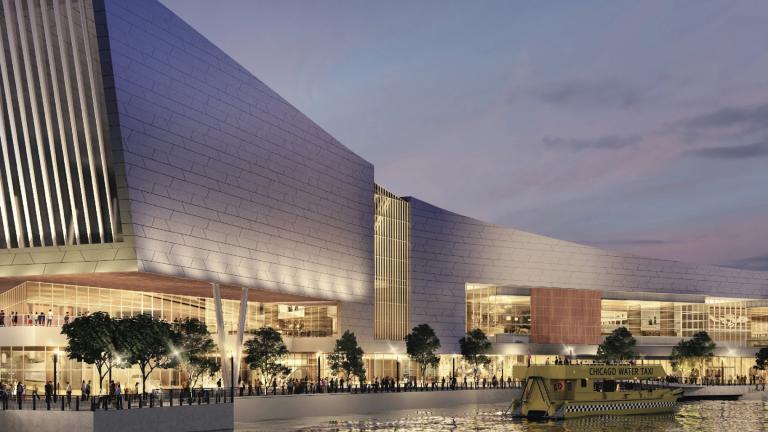
Monday’s vote came after Elizabeth Suever, the vice president of government relations at Bally’s Corp., issued the most direct warning to the City Council that its move to green-light video gaming would kneecap the city’s permanent casino, scheduled to open in River West later this year.
The approval of video gaming terminals in Chicago “will necessitate the renegotiation of the existing host community agreement between Bally’s and the city, putting in jeopardy $4 million worth of yearly payments,” Suever said.
The committee vote is the latest skirmish in the political battle over video gambling in Chicago, which was authorized as part of the city’s 2026 spending plan that took effect over Mayor Brandon Johnson’s objections.
The city’s budget relies on $6.8 million in revenue from video gambling.
However, the city’s finance team warned legalizing video poker and slots will actually cost the city $3 million in 2026 and result in the elimination of nearly 400 jobs at the casino, according to a study from a city consultant, officials said.
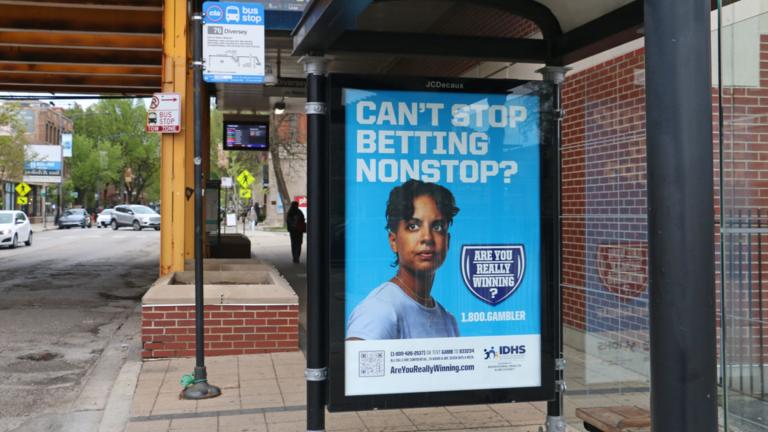
Johnson and his allies have warned that allowing video poker and slots in bars and restaurants will reduce the quality of life in Chicago’s neighborhoods by increasing the number of Chicagoans suffering from gambling addictions while leading to a spike in burglaries and robberies.
In addition, Chicago will earn less tax revenue from bets placed via video gambling terminals as compared with those placed at the city’s casino, compounding the financial damage to the city’s balance sheet, according to the mayor’s team.
That could cost Chicago $70 million annually in tax revenue and slash “a staggering 750 to 1,050 jobs,” Suever warned.
Despite rosy projections from both Bally’s and city officials, the temporary casino, which opened in River North’s Medinah Temple in September 2023, has rung up just $87 million in new tax revenue for the city, according to city data.
In 2025, the temporary casino brought in $125 million in adjusted gross revenue, the amount of money received by the casino operator, minus the winnings paid to those who tried their luck and won, records show.
That is much less than the more than $253 million city officials had originally projected the temporary casino would generate, funneling significantly more tax revenue into the city’s cash-strapped coffers in 2025, records show.
Bally’s officials have promised city officials a permanent casino will prove to be much more lucrative.
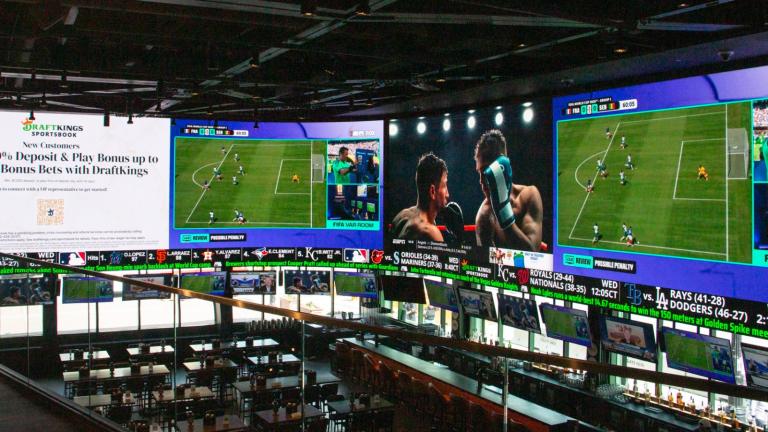
More than 220 Chicago bars and restaurants have asked state regulators to let their patrons try their luck closer to home in the hopes that the machines will offer struggling businesses a lifeline in a tough economic climate.
There is no deadline for those applications to be approved or rejected by state officials, which must conduct a thorough investigation into each establishment, officials said.
The ordinance approved Monday is designed to allow licensed gambling to begin in Chicago neighborhoods as soon as possible after state officials act, preventing more delays from stopping what supporters contend will be a jackpot, both for bar and restaurant owners and the city.
Business Affairs and Consumer Protection Commissioner Ivan Capifali told committee members his staff was working as quickly as possible to build the infrastructure that would allow bars and restaurants to apply for the city license they need to plug in the machines.
That task is straining the department’s resources, Capifali said, since the city’s 2026 budget did not include additional resources to perform that work.
Contact Heather Cherone: @HeatherCherone | (773) 569-1863 | [email protected]