Politics
Illinois Legislators Introduce Power Act, Which Would Force Data Centers To Foot Energy Costs
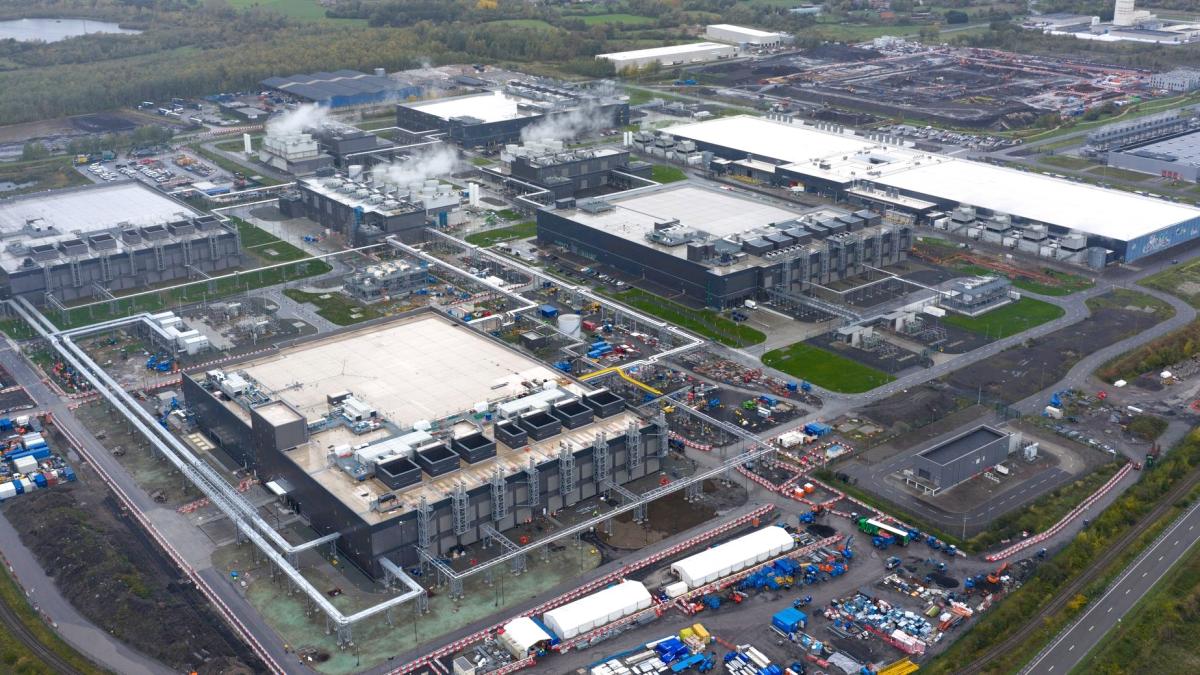 Large-scale data centers place pressure on power grids and water supplies. (Hugo Kurk / iStock)
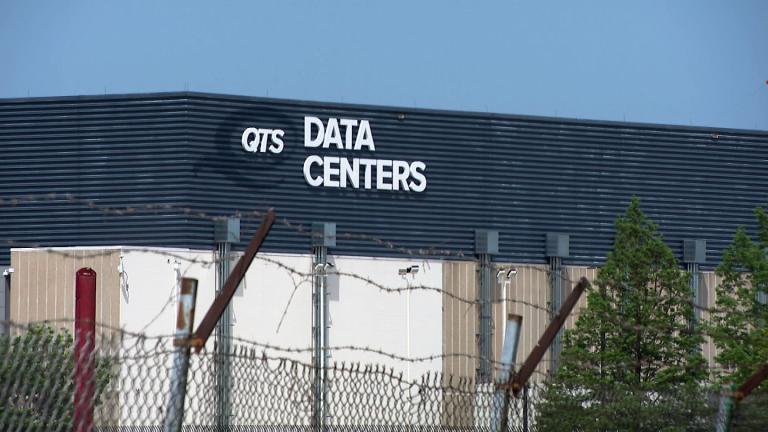
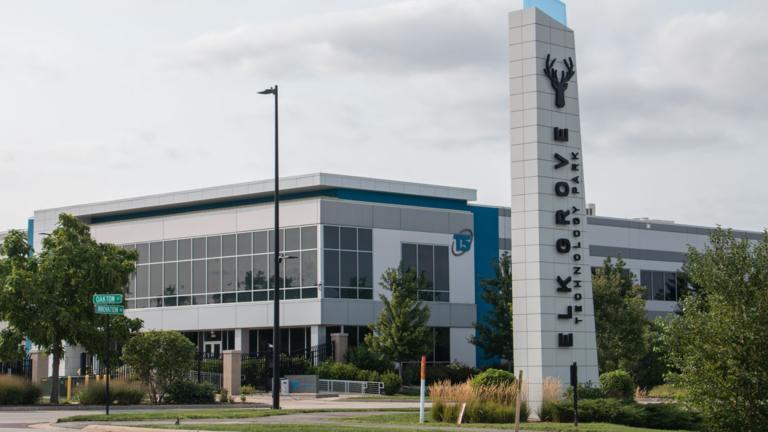
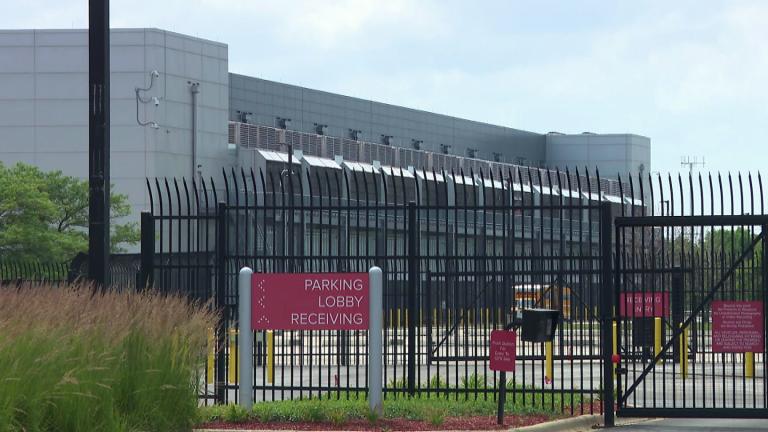
Mega data centers — barely a blip on the public’s radar a year or two ago — have become a hot topic of debate in municipalities across Illinois.
Now state legislators are proposing a set of standardized guardrails that would protect Illinois families, communities and natural resources from the stress such centers place on power grids and water supplies.
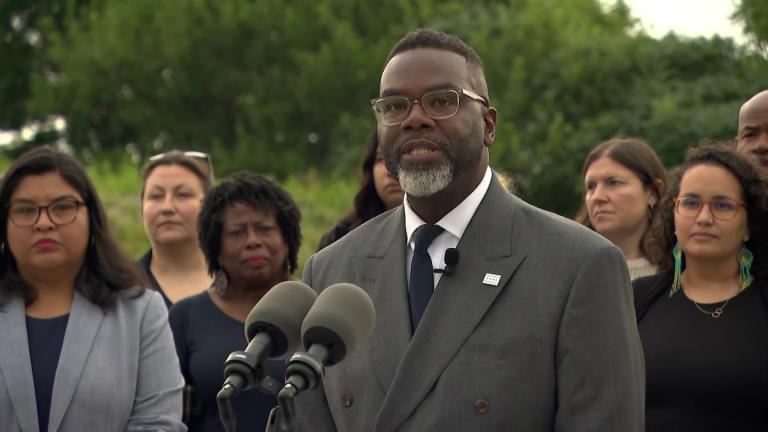
During a news conference held Wednesday, state Sen. Ram Villivalam (D-Chicago) introduced the Power Act, which he and co-sponsor state Rep. Robyn Gabel (D-Evanston) aim to shepherd through the state Senate and House this spring.
The Power Act, Villivalam said, addresses Illinoisans’ key concerns regarding data centers, including skyrocketing energy costs for consumers and the potential depletion of drinking water resources, especially in communities reliant on groundwater.
Chief among the bill’s provisions: Data center operators would have to pay for their own energy-related costs, effectively protecting consumers from subsidizing the facilities.
“If a facility needs new substations, transmission upgrades or other grid investments to operate, they will be required to cover that cost,” said James Gignac, Midwest policy director for climate and energy with the Union of Concerned Scientists, one of the bill’s supporters.
If passed, the Power Act would also force data center operators to disclose, track and report their water use, information that currently is often hidden behind non-disclosure agreements.
“Without this information, communities cannot accurately plan for or anticipate demand or make informed siting decisions to ensure water availability,” said Andrea Densham, senior policy adviser to the Alliance for the Great Lakes.
Environmental justice provisions in the bill include a requirement that data center operators negotiate community benefits agreements, which could specify a certain percentage of local hires, for example, according to Lucy Contreras, Illinois state program director for GreenLatinos.
Additionally, no data center could be built within three miles of an overburdened community, Contreras said, unless an Illinois EPA cumulative impact study proves it won’t increase health or environmental risks. And there are incentives for operators to create clean energy capacity.
To be clear, Villivalam said, Illinois isn’t saying “no” to data centers. But people want to see transparency, accountability and safeguards for water.
“If data centers want to come to Illinois, we’d love to have you, we’re going to play by our rules,” said Kady McFadden with the Illinois Clean Jobs Coalition. “You’re going to pay for your own power. And we’re not going to let you just put a straw in Lake Michigan without telling us how much water you’re actually using.”
Contact Patty Wetli: [email protected]