Health
Trump Administration Moves to Exclude Nursing From Professional Degrees, Set New Student Loan Limits
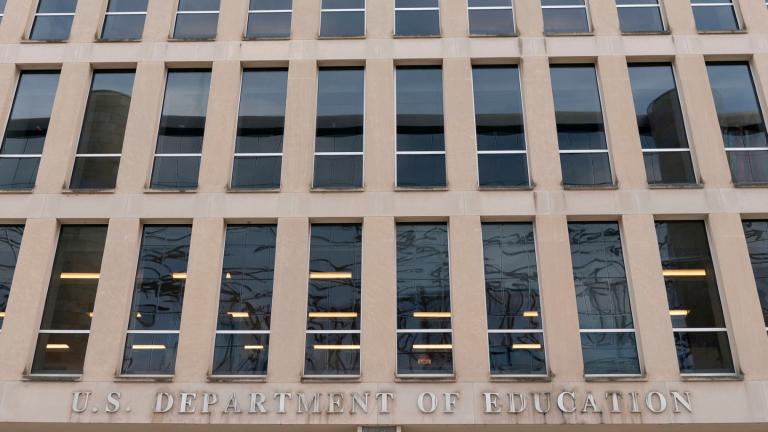
The Trump administration plans to move graduate-level nursing degrees out of their professional classification, changing how much money students in those programs can borrow.
Under the changes, graduate nursing students would be limited to $20,500 in federal loans each year, with a lifetime cap of $100,000.
The proposal has drawn pushback from the nursing community, which argues the reclassification could limit students’ financial access to advanced nursing degrees.
The American Association of Nurses gathered more than 200,000 signatures from nurses and patients in a petition urging the administration to revise the changes before they take effect in July.
In a statement, Undersecretary of Education Nicholas Kent said the new definition of a professional degree will put pressure on universities to lower tuition costs.
“This will benefit borrowers who will no longer be pushed into insurmountable debt to finance degrees that do not pay off,” Kent wrote.
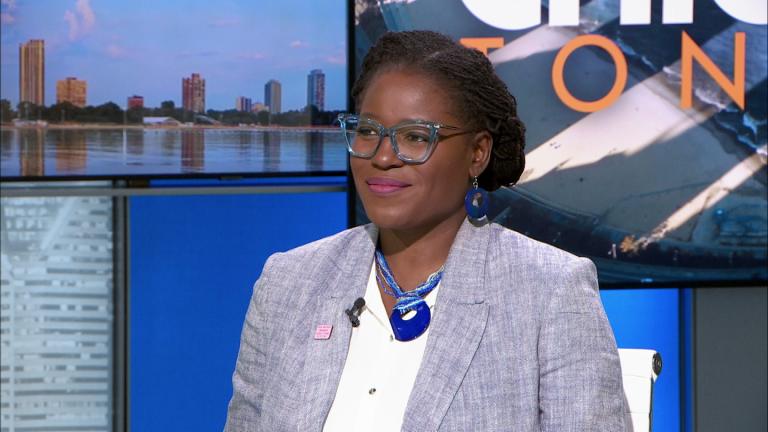
But university officials, like Eileen Collins, dean of the School of Nursing at the University of Illinois Chicago, argue that tuition revenue is what allows schools to provide the highest-quality education possible.
“We can’t afford to do that [lower tuition] as a nursing school,” Collins said. “... The health care environment is increasingly complex, therefore the complexity of teaching students goes up. We require complex simulation laboratories, we require faculty who are at the top of their game and you can’t hire faculty at the top of their game at a very low price.”
The faculty makeup of nursing schools is also expected to change as a result of the reclassification.
Roxanne Spurlark, chief nursing administrator and interim director of the DePaul University School of Nursing, said limiting access to advanced nursing degrees could worsen the shortage of nursing educators and make nursing schools more competitive.
“In 2023 it was noted that there were 1,977 vacancies for individuals that were prepared to teach at the graduate level, so if that were the case then that means that we had to turn away somewhere around 60,000 nursing students that were qualified and eligible to enter that space.”
A master’s degree is the minimum requirement to teach at most nursing schools, though many faculty members hold doctorate degrees.
In a press release, the Department of Education argued the reclassification will not make advanced nursing degrees unaffordable because most students already borrow below the annual loan limit and therefore won’t be affected by the new caps.
But data gathered from the National Center for Education Statistics shows the annual cost of pursuing graduate nursing degrees to be closer to $30,000, exceeding the new loan cap by almost $10,000.
Lorna Finnegan, dean of the nursing school at Loyola University Chicago, said underrepresented students, who are the most likely to need financial aid, will be impacted disproportionately.
“It will create a two-tiered system, because underrepresented and minority students are more likely to take out loans,” Finnegan said. “They generally come from less generational wealth and they have less access to private loans. It will ultimately then affect care and access to care and health equity, because underrepresented students are also more likely to work in underserved communities and deliver culturally concordant care.”
Students already enrolled in nursing programs won’t be affected, but those seeking financial aid or entering nursing school for the first time after July 1 will face the new loan caps.