Politics
Chicago, Cook County Appealing Trump’s Denial of Disaster Relief Funds Following Summer’s Severe Flooding
 (Thomas Campone / iStock)
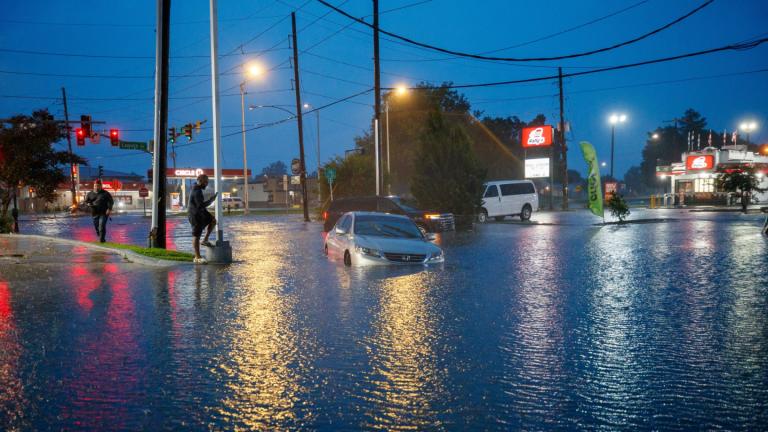
The city of Chicago, Cook County and the state of Illinois are joining forces to appeal the Trump administration’s denial of federal disaster relief funds that would have supported the recovery from a pair of severe flooding events this past summer.
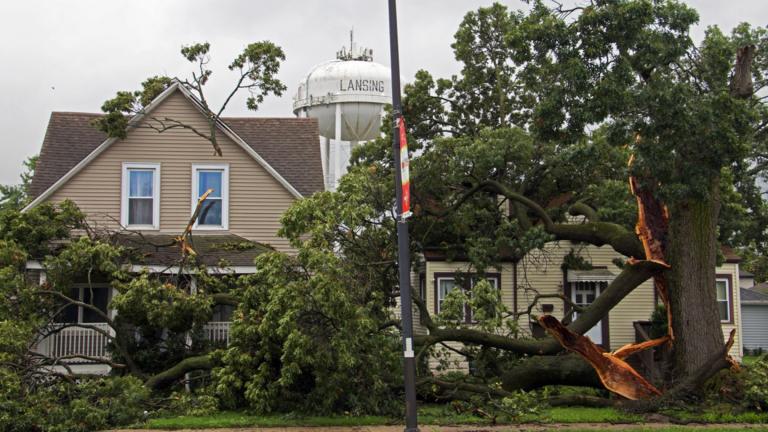
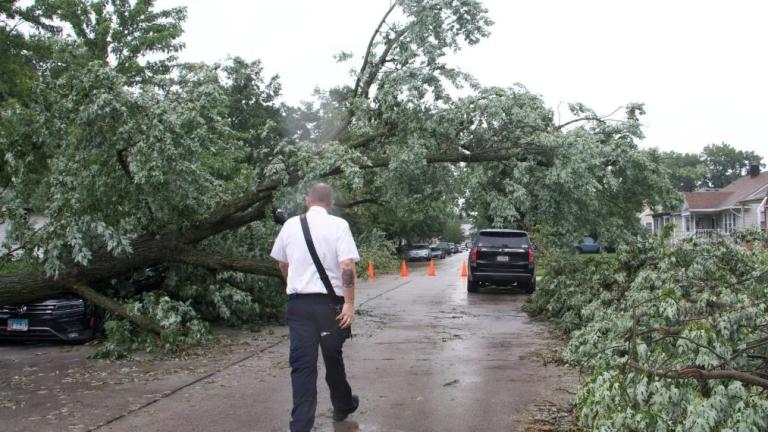
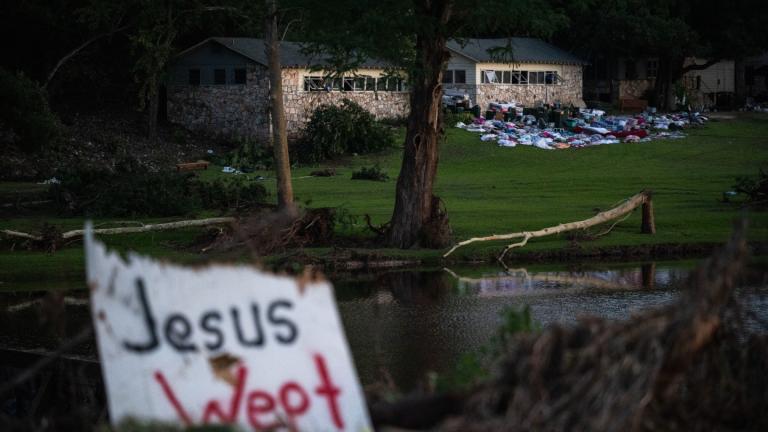
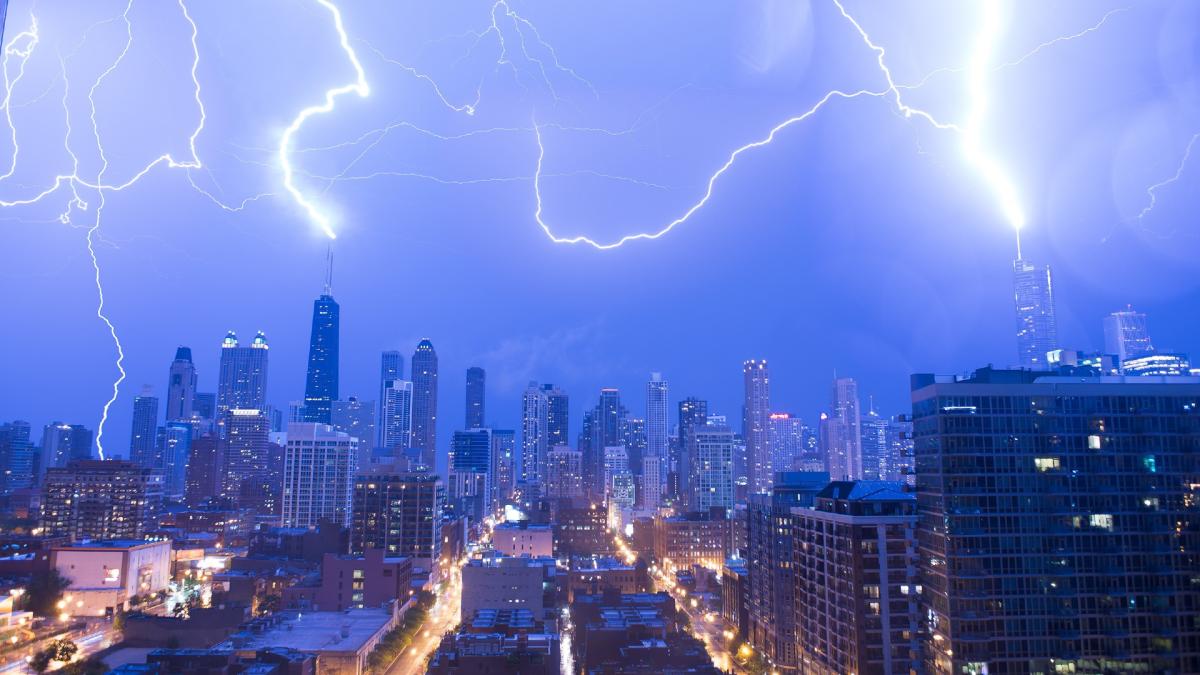
Powerful storms in late July and mid-August produced strong winds and torrential rains that caused “widespread property damage, prolonged power outages and significant disruptions to transportation and essential services,” according to a statement announcing the appeal.
Gov. JB Pritzker requested a Presidential Disaster Declaration, which would have made individuals and municipalities eligible for federal assistance to rebuild infrastructure, homes and businesses. That request was denied.
U.S. Senators Dick Durbin and Tammy Duckworth issued a joint statement calling the denial “another troubling example of the Trump Administration putting politics ahead of people.”
The senators called on President Donald Trump to “stop playing these political games with disaster assistance.”
Michigan and Wisconsin are among states that also received denials for federal aid.
Michigan has already appealed and the denial has been “reaffirmed” for funding that would have supported permanent repairs to utilities damaged during a catastrophic ice storm in March 2025.
In Wisconsin, the president approved some assistance for individuals affected by historic floods that devastated communities in early August. But he denied the request for federal help to repair public infrastructure.
A spokesperson for the administration told Wisconsin Public Radio, “This request was determined that the damage from the event was not of such severity and magnitude as to be beyond the capabilities of the state and affected local governments to recover.”
Wisconsin Governor Tony Evers has said he will appeal.
According to a report in the New York Times, since January, Trump has approved 32 federal disaster declarations compared with an average of more than 60 declarations per year from fiscal years 2015 through 2024.
White House spokesperson Abigail Jackson told ABC News that Trump was “ensuring American tax dollars are used appropriately and efficiently by the states to supplement — not substitute — their obligation to respond to and recover from disasters.”
That statement is in line with Trump’s intention to transfer responsibility for disaster recovery from the federal government to the states in all but the most extreme situations.
In Illinois, the appeal process will include additional damage assessments in affected areas: the cities of Chicago and Aurora and the counties of Cook, Will, Boone, McHenry, Kane, Jersey and Calhoun.
Residents and business owners in the affected areas are urged to submit any new or previously unreported information regarding their damages or ongoing needs by Nov. 7.
This information can include: photos of damage, documentation of alternative housing needs, reports of illness or health impacts, mold remediation efforts, and replacement of furnaces, water heaters or major appliances.
How do disaster declarations work?
According to FEMA: “All emergency and major disaster declarations are made solely at the discretion of the President of the United States.”
Requests are made by the governor of the affected state.
FEMA has multiple assistance programs:
— Individual assistance, which can include unemployment assistance, legal services and crisis counseling.
— Public assistance, which helps state, tribal and local governments repair or replace infrastructure and damaged facilities, remove debris, etc.
— Hazard mitigation assistance, which provides funds to help state, tribal and local governments take actions to prevent or reduce the risk of future damage from natural hazards.
Contact Patty Wetli: [email protected]