Arts & Entertainment
50 Years Later, ‘The Gales of November’ Tells the Human Story Behind the Edmund Fitzgerald
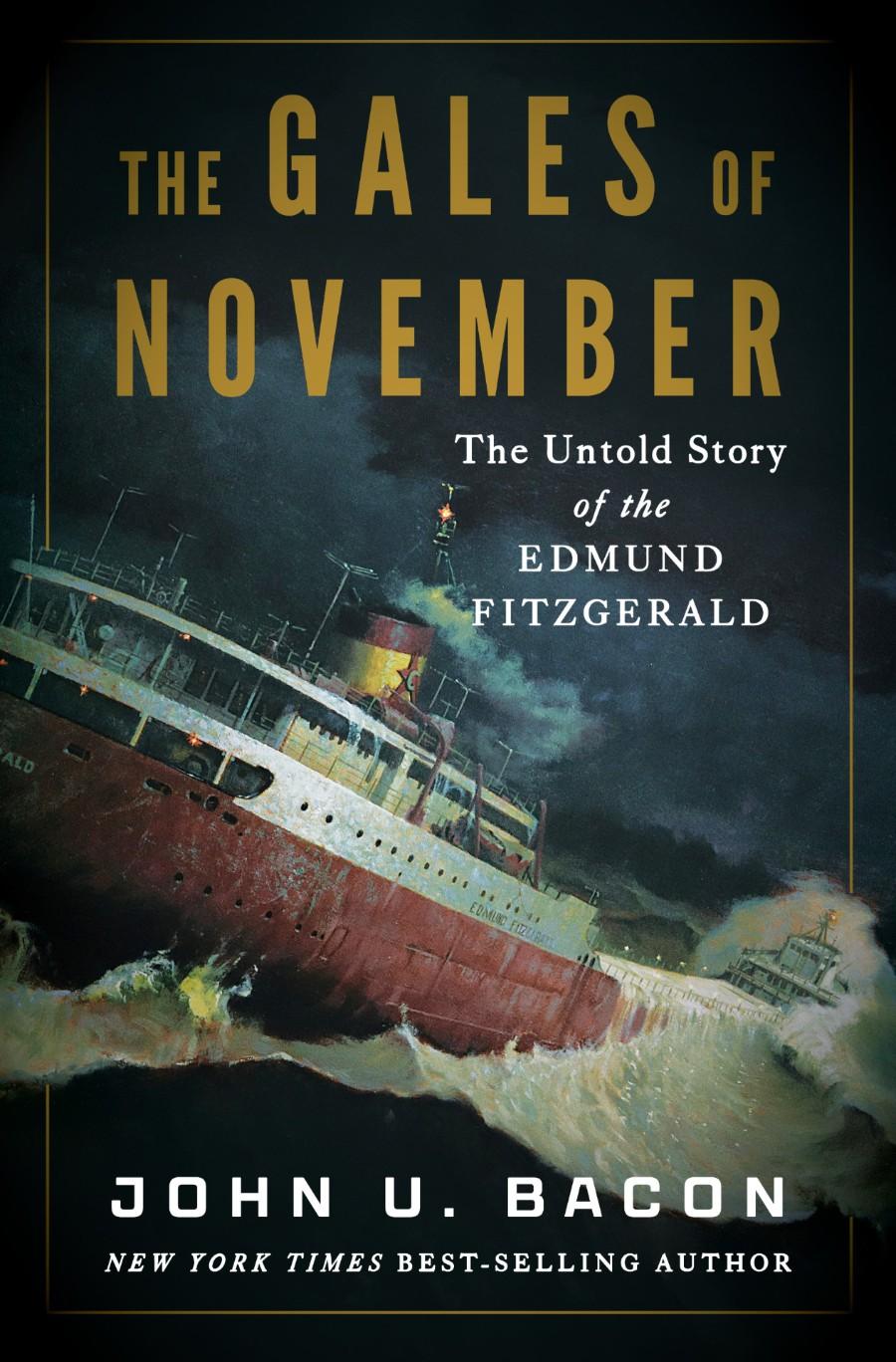
Author John U. Bacon’s new book “The Gales of November” takes a look back at the SS Edmund Fitzgerald nearly 50 years after its sinking. The 729-foot Great Lakes freighter sank in Lake Superior during a strong storm, killing all 29 crew members.
Now No. 6 on The New York Times Best Seller list, the book explores the wreck’s impact on victims’ families and the untold hardships of Great Lakes sailors.
“Great Lakes shipping is immensely important, it’s where all of our stuff comes,” Bacon said. “It’s an invisible industry because these guys run a ship nine months of the year so you’re not gonna meet them. … They risk their lives every time they go out there.”
Rather than solely retelling the day of the shipwreck or speculating on how it sank — a mystery that remains unsolved — Bacon focused on interviewing dozens of people who lost loved ones in the disaster, striking an emotional chord.
“Most of the books done on this are the ‘Who done it? What happened?’” Bacon said. “But I want to know who the 29 men were. What are their families like? What are they doing when they were on board?”
Bacon recalled interviewing Heidi Willhelm, a woman whose father was a member of the crew. She was 12 years old in 1975, when the ship sank.
“You don’t get over that, even 50 years later,” Bacon said.
Another story featured in the book is that of Bruce Hudson, a 22-year-old student at Ohio State University who was on a break from school when he opted to work as a deckhand on the Fitzgerald.
Hudson’s mother, Ruth Hudson, became a source of comfort for the grieving community surrounding the Fitzgerald — most of all her son’s girlfriend.
“She was a spitfire to say the least,” Bacon said. “She lost her only child that day — flip side is she didn’t know that his girlfriend was pregnant, so six months later she becomes a grandmother out of nowhere.”
Bacon also delves into the economic side of the ship and its wreck. At the time, the Fitzgerald was the largest freighter to sail the Great Lakes, giving it an unprecedented capacity to carry vital goods and supplies across the Midwest and Canada.
When the Fitzgerald sank, it was carrying 26,000 long tons of taconite (iron ore), enough to build 7,000 cars, according to Bacon.
Sailors and deck crew were incentivized to work extra weeks and hours for monetary reward.
“Every trip you add, of course, you make that much more money,” Bacon said. “And in the case of this last trip, Ernest McSorley, the captain of the ship, tacked on one more week before he retired — he and five others on the ship. Why? Because his wife, Nelly, is sick in Toledo, and this bonus was going to pay for her medical care.”