Health
Illinois Braces for ‘Large Influx of Patients’ After Wisconsin Planned Parenthood Pauses Abortions
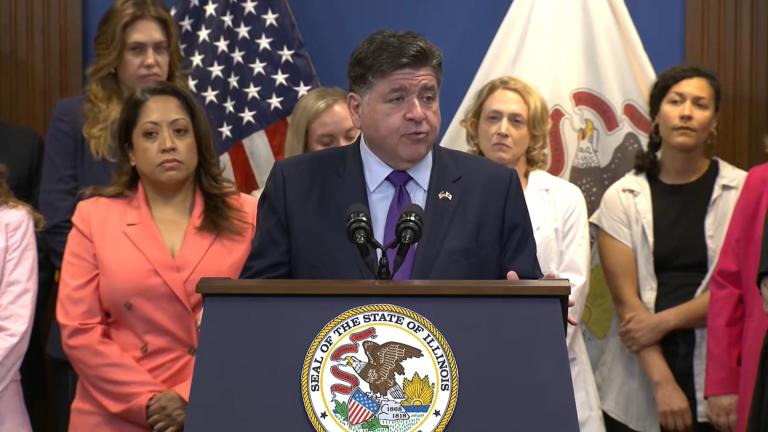
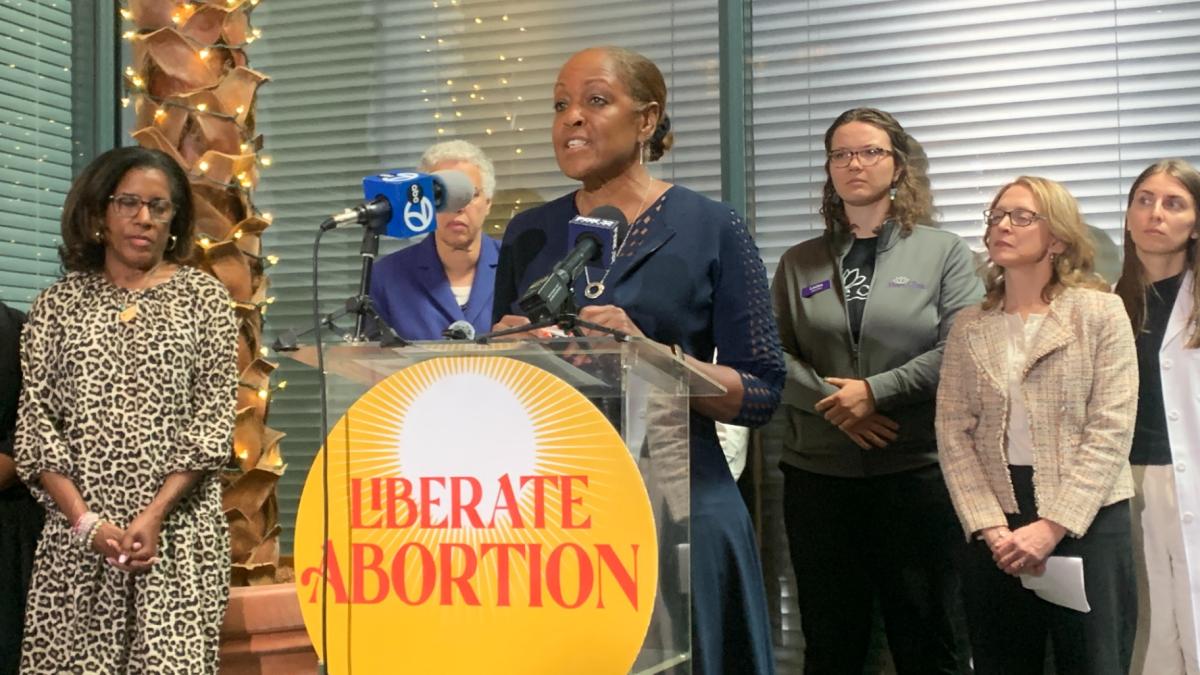 Planned Parenthood of Illinois President and CEO Adrienne White-Faines speaks during a news conference on Sept. 25, 2025, in light of Planned Parenthood of Wisconsin pausing abortion services. (Eunice Alpasan / WTTW News)
Abortion providers in Chicago and across Illinois anticipate a “large influx of patients” from Wisconsin after Planned Parenthood of Wisconsin announced it would stop scheduling patients for abortions, advocates said during a Thursday news conference.
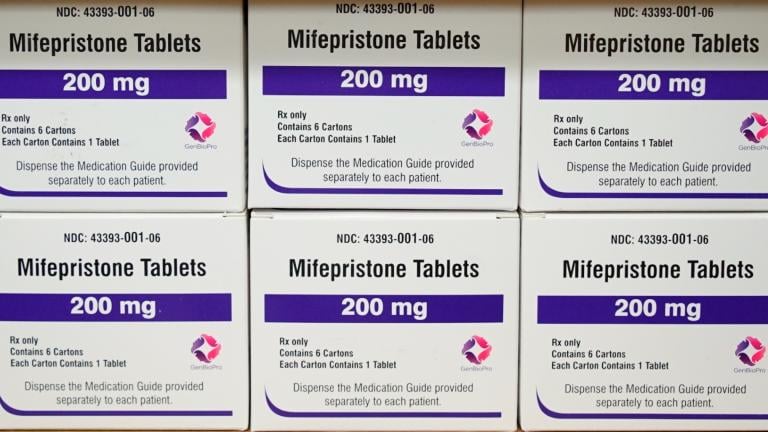
Planned Parenthood of Wisconsin’s decision to pause abortions starting next week is in response to federal Medicaid funding cuts from President Donald Trump’s tax and spending bill, which prohibits federal funds to large nonprofit health care organizations that offer abortion.
Federal law has long prohibited the use of federal funds for abortions. Planned Parenthood patients use Medicaid, however, to cover the cost of health services like cancer screenings, birth control, and STI testing and treatment.
Chicago Abortion Fund Executive Director Megan Jeyifo, who had an abortion in her home state of Wisconsin when she was 16, described Medicaid funding cuts on abortion providers as a “backdoor abortion ban.”
“We will not abandon people when they need us,” Jeyifo said. “We will be here with open arms to support the needs of our neighbors. … We are going to meet this moment with everything that we have.”
Illinois, a haven for reproductive health, serves more out-of-state abortion patients than any other state since the U.S. Supreme Court Dobbs v. Jackson ruling, which in 2022 eliminated the constitutional right to abortion and opened the door to state bans and restrictions.
Planned Parenthood of Illinois President and CEO Adrienne White-Faines said the organization has seen seven times more patients from Wisconsin since the Dobbs decision. Wisconsin ranks No. 2 in the number of people PPIL sees traveling from out-of-state for care, according to a spokesperson.
While Planned Parenthood of Illinois is also affected by Medicaid reimbursement cuts, White-Faines said the organization is not planning to make any changes to services in Illinois. Amid the broader federal funding challenges, PPIL is facing about a $7 million budget gap this year, according to White-Faines.
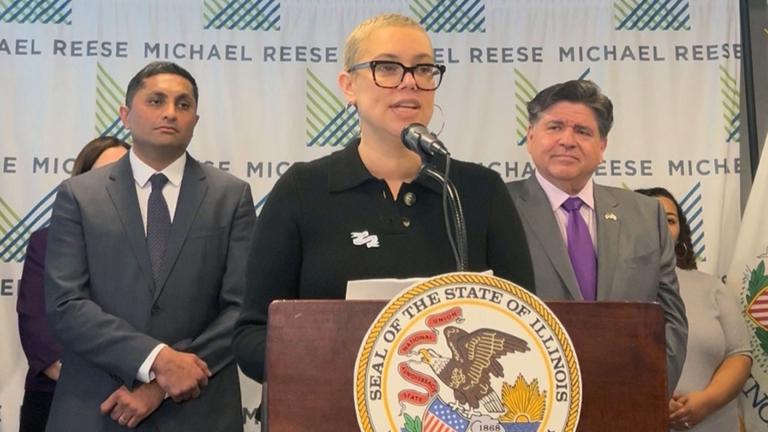
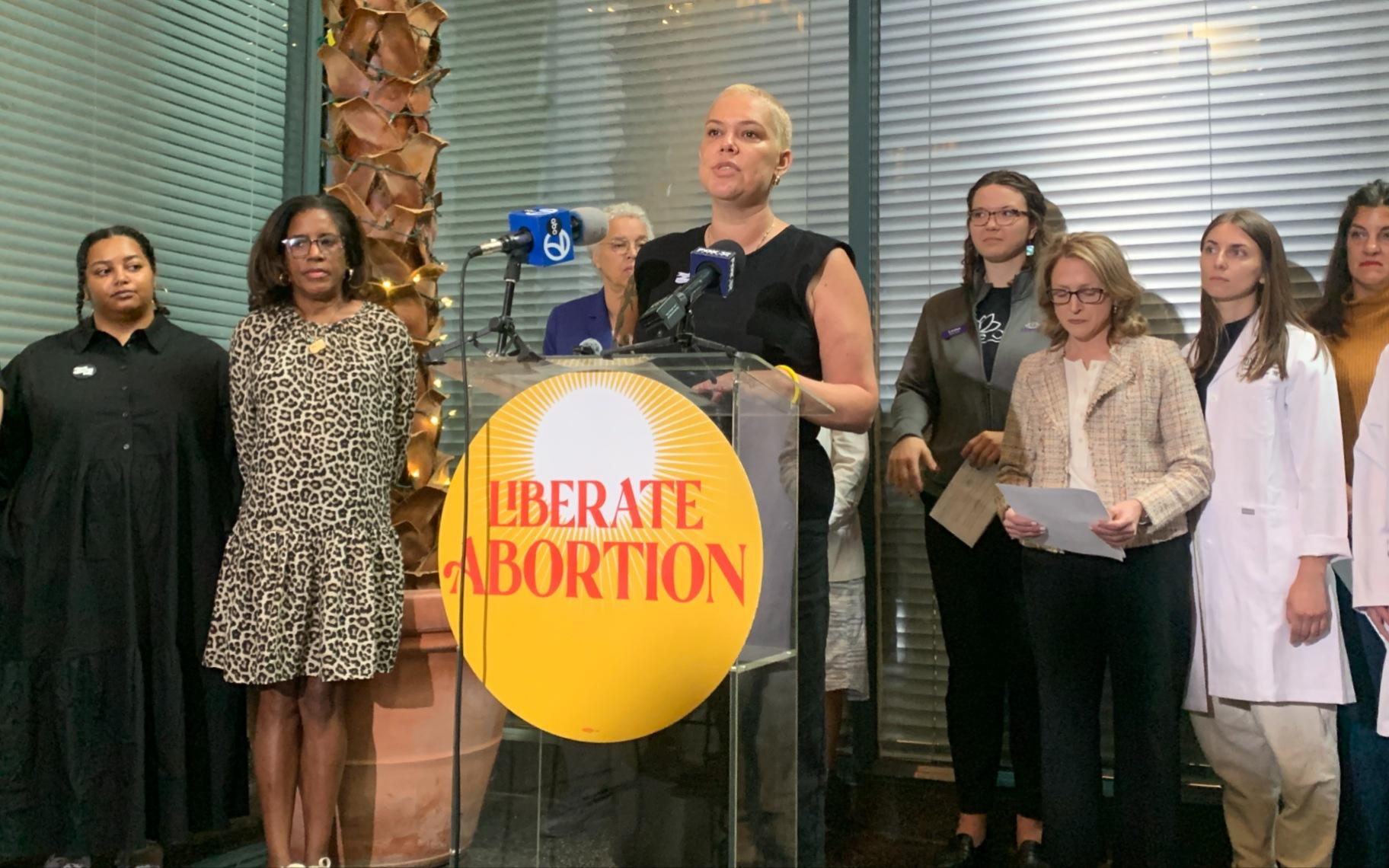 Chicago Abortion Fund Executive Director Megan Jeyifo speaks during a news conference on Sept. 25, 2025. (Eunice Alpasan / WTTW News)
“Illinois is not planning to make any changes in our service access anywhere in the state, and yes, we will lose money,” White-Faines said. She added, “We’re not looking at layoffs. We’re not looking at closing centers.”
After Trump’s tax and spending bill was signed in July, a judge initially ruled that Medicaid reimbursements must continue for Planned Parenthood health services other than abortion. But a federal appeals court this month said the government could halt the payments while a court challenge to the provision moves ahead.
Illinois Attorney General Kwame Raoul, as part of a coalition of nearly two dozen attorneys general, filed a motion for a preliminary injunction Wednesday to block the Trump administration from enforcing the ban on federal Medicaid reimbursements on Planned Parenthood facilities and other health centers that provide abortions.
In 2024, nearly a quarter of all out-of-state abortions took place in Illinois, according to a study by the pro-abortion rights organization Guttmacher Institute. About 35,000 out-of-state patients traveled to Illinois for an abortion last year, accounting for 39% of all abortions provided in the state, according to the study.
“Abortion bans and restrictions around the country are forcing more patients to delay their care and travel longer distances,” said Louisa Richardson-Deppe, chief operating officer of Hope Clinic Chicago, which opened its Uptown location in June.
The Wisconsin Supreme Court in July struck down the state’s 1849 near-total ban on abortion, saying it was superseded by newer state laws regulating the procedure. Wisconsin’s abortion ban was nullified in 1973, when the U.S. Supreme Court decision in Roe v. Wade legalized abortion nationwide. Legislators never officially repealed the ban, however, and conservatives argue that the Dobbs ruling in 2022 reactivated it.
Planned Parenthood of Wisconsin stopped providing abortions after that ruling for 15 months before resuming them as the lawsuit over the state law played out. The organization has been providing abortions at three clinics in Wisconsin for the past two years.
“Patients and providers in Wisconsin have been riding this cruel and unnecessary roller coaster for far too long,” said Family Planning Associates Chief Medical Officer Dr. Allison Cowett. “Here in Illinois, we support you. Our doors are open. We will be in this fight alongside you until abortion access is restored in Wisconsin and throughout the nation.”
The Associated Press contributed to this report.
Contact Eunice Alpasan: [email protected]