Health
Disability Advocate on the Conversation Around Gus Walz and Neurodivergence
It was a powerful and memorable moment at last month’s Democratic National Convention when Gus Walz, the son of vice presidential nominee Tim Walz, emotionally cheered as his father delivered his acceptance speech.
But some online commenters mocked the 17-year-old’s actions, sparking backlash. The teen has ADHD, an anxiety disorder and a non-verbal learning disorder, according to his family.
Disability rights activists are speaking out — reminding people of the harm that can come from this and other language directed at people with disabilities.
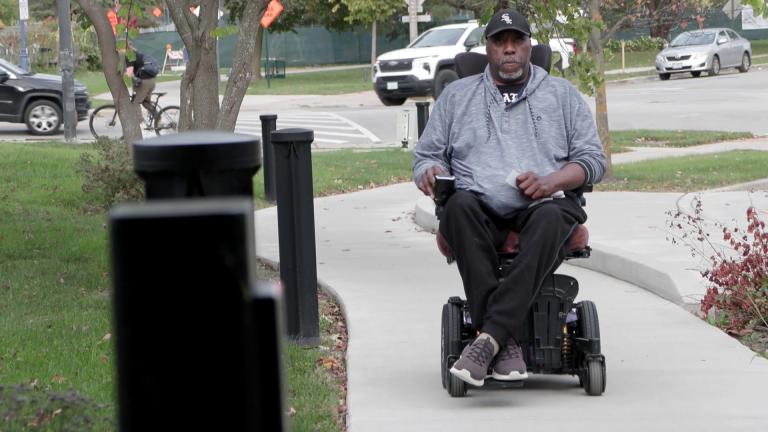
Timotheus Gordon, a research associate at the Institute on Disability and Human Development at University of Illinois Chicago, joined “Chicago Tonight” to talk more about the issue.
On Reaction to Online Comments
“Now it’s ignorant enough to see people still making fun of disability in general, but it is very shameful and very unprofessional to see two people in powerful positions making fun of Gus and his moment.”
On the Impact of Derogatory Narratives
“If people use language like the R-word or crippled or other derogatory terms, then that will eventually get to the community stakeholders and those who can provide resources, jobs,” he said. “If, let’s say you as a service provider, are hearing those comments, then that person may reject or refuse the pleas for help from a person with disability for resources, because, based on what the person said about Gus or other people with disabilities, they will assume that person is not fit to be in society, based on those comments.”
On Infantilizing Language About the Community
“That’s not a problem itself,” he said. “But from a disability lens, we’re often called either evil or adorable, simply because we are seen as either less than or childlike or bad for society, when in fact, people with disabilities like myself or neurodivergent folks in general, like myself, are human, just like everybody else. We are capable of lots of things, including how we see ourselves and how others should see us.”
On Living With Invisible Disabilities
“People get to miss out on a great story if they limit my experience to if I fit the box or not,” he said. “If people just limit me to either disability work that I do or the fact that I have a invisible disability, then people will miss out on how wonderful a friend I am, or the fact that I’m doing my best to raise my son or the fact that I do lots of other things and know of other things besides my disability.”