Science & Nature
It’s Time To Change the Clocks Sunday. Congress Is Debating How Much Longer We Still Need To Do This
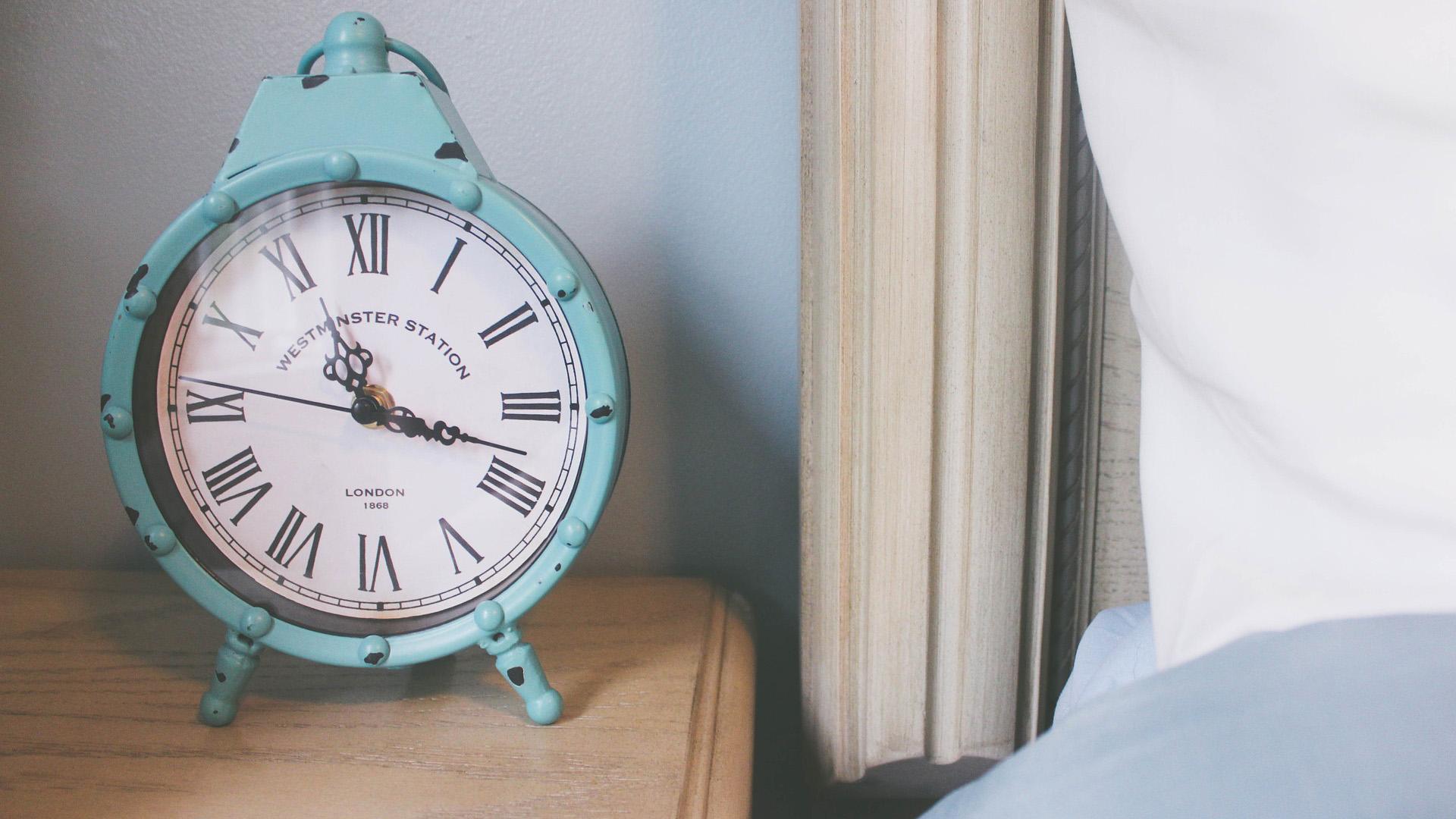 (Rachel Nelson / Pixabay)
Americans, Congress has heard your complaints about the twice-yearly changing of the clocks as we switch back and forth between daylight saving and standard time.
The House subcommittee on consumer protection and commerce took up the issue during a timely hearing held just days before Sunday’s upcoming “spring forward.”
“This is a topic I continue to hear about back home from my constituents,” said Rep. Gus Bilirakis of Florida, a state that, he noted, takes its sunshine seriously. “It’s a ritual many of us don’t understand or care for.”
For the better part of two hours, committee members listened to expert testimony and debated the merits of sticking with the current system or opting instead to settle on a single time year-round — and if so, which time? Daylight saving or standard?
Steve Calandrillo, a law and economics professor at the University of Washington, testified about the benefits of daylight saving time, which he argued should be made permanent.
There are numerous gains to be had from increasing the amount of daylight hours in the evening versus the morning, he said. Among those: Reducing traffic accidents and fatalities during the evening commute, which is twice as dangerous as the morning rush hour. “Darkness kills, sunlight saves,” Calandrillo said.
Crime is also most prevalent under the cover of darkness, he said. Implementing daylight saving time year-round, which extends light at night, would effectively subtract an hour from criminals’ workday, Calandrillo asserted.
Furthermore, he said, people are more likely to engage in activities at night when it’s light out, whether that’s going shopping, out to dinner or exercising, which is a boon for the economy and for health. Defaulting to standard time would add light on the front end of the day, when far fewer people are likely to take advantage of it.
“Daylight saving time puts the hour where we need it,” said Calandrillo.
Dr. Beth Malow, a neurologist and sleep medicine specialist at Vanderbilt University, also recommended putting an end to the abrupt transitions between Daylight Saving and Standard time, but as a counterpoint to Calandrillo, she said standard time should be year-round.
It’s clear that the abrupt changing of clocks has adverse health effects but many of them can be linked to sleep deprivation and “circadian misalignment,” which are more strongly associated with Daylight Saving, Malow said.
Humans need light cues both to induce alertness in the morning and to help us fall asleep at night, she explained. Standard time gets people up and at ‘em in the morning and, importantly, reduces evening light, which is better for sleep. To be clear, Malow said, she’s talking about reducing the evening light that Daylight Saving creates — where in some parts of the country, especially on western edges of time zones, it doesn’t get dark until 10 p.m. during the summer.
This keeps people awake too late and can lead to a chronic loss of sleep — not just the hour forfeited at the start of Daylight Saving, Marlow said. “It’s eight months of the year we’re out of sync.”
There’s plenty of awareness about how detrimental it is, in terms of sleep, for people to be staring at a computer screen or phone late at night, she said. But the sun is the brightest blue light out there — 100,000 times brighter than a computer. For adolescents, whose cycles have already been thrown out of whack by puberty, Daylight Savings added sunlight at night simply exacerbates sleep challenges, she said.
“It’s called Standard time because it’s more normal,” Marlow said. “It’s the right choice for sleep.”
Among the other options discussed during the hearing: Maintain the status quo, but why not spring forward or fall back on a Saturday instead of a Sunday, and give people an extra day to adjust? Or let individual states decide whether they want to continue shifting back and forth or make the permanent change to Standard or Daylight Saving.
The latter would have huge ramifications for commerce and transportation, committee members acknowledged. Rep. Debbie Lesko from Arizona noted that her state has been on permanent Standard Time for decades, out of necessity. It’s so hot in the summer, construction projects and other vital work done outdoors has to wait until the sun goes down. Permanent Daylight Saving, isn’t an option.
“Please don’t mess with Arizona,” Lesko said.
Though no decisions were reached during the hearing, Rep. Frank Pallone of New Jersey, chairman of the House Committee on Energy and Commerce, said a review would be requested from the Department of Transportation to investigate the implications of various scenarios.
“I do think it’s time to stop changing the clocks,” Pallone said.
Just not anytime soon. Daylight saving time begins at 2 a.m. Sunday. Don’t forget to set those clocks forward, and pencil in a nap.
Want to watch the entire hearing? Here you go:
Contact Patty Wetli: @pattywetli | (773) 509-5623 | [email protected]