Health
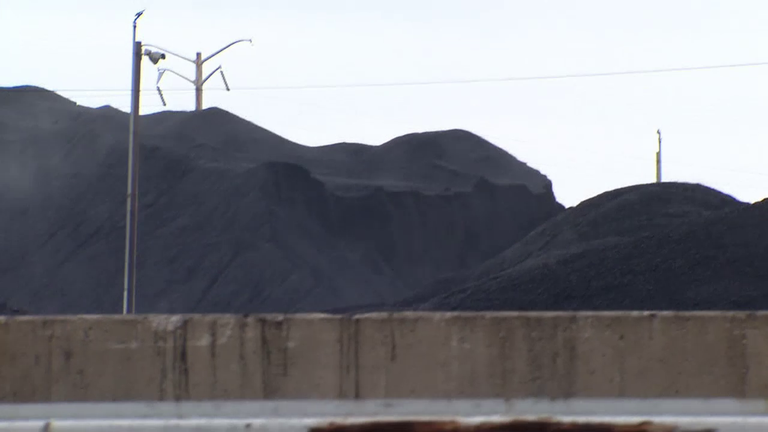

Community protest brings results as one company removes its petcoke from a Calumet River storage site. But thousands of tons remain on other sites. Elizabeth Brackett has the story.

A huge lake freighter pulls up to storage facility along the Calumet River, poised to haul away piles of the controversial petroleum byproduct called "petcoke." Elizabeth Brackett has the latest details.
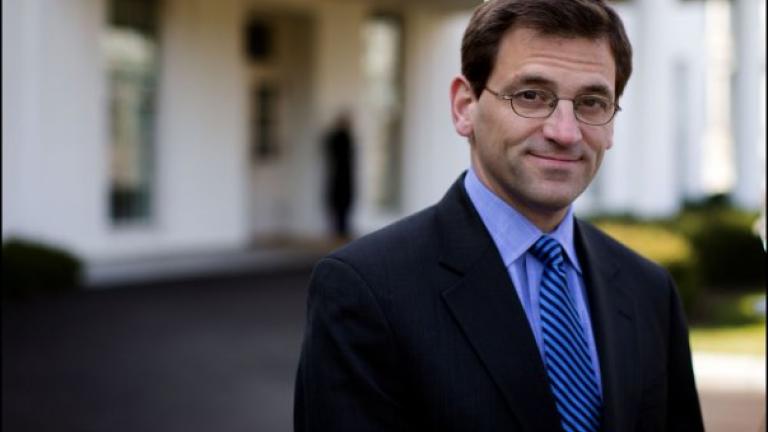
Chief White House correspondent for The New York Times, Peter Baker, joins us to check in on fixes to HealthCare.gov and the potential political fallout from the glitches in the 2014 midterms.
The risk calculator included in the recently released guidelines for lowering cholesterol have been questioned by a number of leaders in the field of cardiology. We speak with two specialists on different sides of the controversy. Read an interview.

The Affordable Care Act is under fire from both sides of the political aisle. President Obama apologized for the botched rollout and pledged to correct the problems. So can you keep your policy? And if things don’t improve, could lawmakers repeal ObamaCare? Our panel has analysis

The doctor-patient relationship can sometimes become a tricky one, and health care professionals are working towards improving the process and outcome of patient care. What are some of the key issues facing patients, health care professionals and ethics? We talk with Dr. Peter Angelos, the Associate Director of the MacLean Center for Clinical Medical Ethics.

New guidelines were released Tuesday that will alter how doctors treat patients at risk for stroke and heart disease.

The FDA proposed a ban Thursday of partially hydrogenated oils that create the byproduct trans fat. Large restaurant chains and manufacturers have been limiting the trans fat content in their products for years, but some question whether a ban is the most effective approach to preventing heart disease. Read an interview.
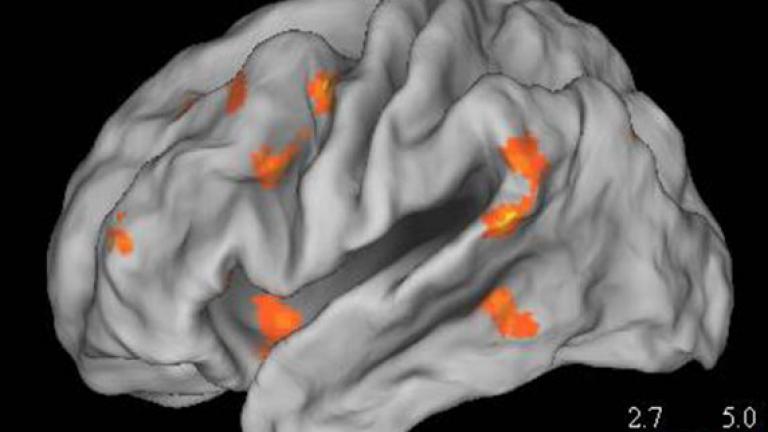
Researchers at two local universities are looking into how poverty impacts young minds. We have the story. Learn more about the studies, and view a photo gallery.

While glitches plague the federal health insurance marketplace website, we discuss how things are going for people here in Illinois.

While the federal Health Care Exchange website may be plagued with problems, it hasn’t stopped so-called “navigators” from helping thousands of people enroll for health insurance in Illinois. We pay a visit to a navigator at work. Read an article.

Finances, relationships, employment or the lack thereof, can all bring stress to your life. But what is stress really doing to your body? Dr. Charles Hebert of Rush Medical Center, and Joanna Hakimi, a therapist with Symmetry Counseling, discuss the effects stress has on your body, and ways to manage your stress. Read about signs and symptoms of stress, along with prevention techniques.

The steel mills may be gone, but the south side is again under threat from a growing source of air and water pollution. It's referred to a "petcoke," and is a byproduct of refining heavy tar sands oil. We share what you had to say about it in tonight’s viewer feedback.

Piles of petcoke, a byproduct from oil refineries, building up along the Calumet River have southeast side residents worried about their health. Elizabeth Brackett has the story. Read an article.
Researchers in the fight against Alzheimer’s may have found a way to detect the disease early on. They discovered small toxins related to Alzheimer’s, which builds up in the brain, attacking the brain’s memory centers. Collaborators are trying to discover a way to protect the brain from these toxins, or even better, prevent them from building up in the first place. Dr. William Klein, an Alzheimer’s disease researcher at Northwestern University, joins us with details. Read facts and figures about Alzheimer's disease and watch a video.
A book called How We Do It: The Evolution and Future of Human Reproduction explores the science of sex and childbirth. We revisit a conversation with the book's author. Read an excerpt.
Trending
‘This is Only the Beginning’: Illinois Accountability Commission Hears First Testimony on Federal Agents’ Use of Force in Chicago

Chicago Bears’ Threat to Move to Indiana a ‘Slap in the Face,’ Gov. Pritzker’s Office Says

City Council Votes 30-18 to Approve Final Part of 2026 Budget. Will Mayor Veto It?

City Council Votes 29-19 to Approve Rival Spending Plan, Rebuking Mayor Johnson
Johnson Stops Short of Vowing to Veto Rival Budget Plan, But Calls It ‘Morally Bankrupt’

Sign up for the WTTW News newsletter