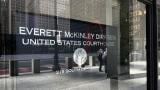
Border Patrol chief Greg Bovino, who has led a series of increasingly aggressive raids across Chicago and the suburbs and fired tear gas at protesters in Little Village, must obtain and wear a body-worn camera and report every weekday at 6 p.m. in person to the federal judge who has tried to rein in federal agents’ use of force. U.S. District Court Judge Sara Ellis questioned Bovino for approximately an hour and 15 minutes Tuesday morning in her courtroom at the Dirksen Federal Building in downtown Chicago, reading the temporary restraining order she issued more than two weeks ago line by line.
Federal officials said Bovino fired the tear gas after he was struck in the head by objects thrown by the protestors. Bovino had no visible head injury Tuesday. “The camera is your friend,” Ellis said, adding that a camera would capture someone throwing a rock or fireworks at him. “And then it won’t just be your word.”
After reminding Bovino of the oath he took to “support and defend the Constitution,” Ellis displayed deep concern about the videos submitted to the court as evidence and others that have blanketed social media in Chicago and nationwide, triggering widespread outrage. “It is difficult for me to see that the force being used is necessary to stop an immediate and serious threat of physical harm to a person,” Ellis said.
Bovino, whose brash social-media presence and frequent appearances in the media have come to define what the Trump administration calls “Operation Midway Blitz,” said little during the hearing. Ellis appeared particularly incensed by what happened on Saturday in Old Irving Park, when federal agents deployed tear gas after residents protested their attempts to detain a construction worker.
“Kids dressed in Halloween costumes, walking to a parade, do not pose an immediate threat to the safety of a law enforcement officer,” Ellis said. “They just don’t.” More context: While local and state officials have decried the tactics used by federal agents, the Constitution’s supremacy clause prevents local and state governments from interfering with federal agencies. DePaul University law professor David Franklin said it would be an uphill battle for local police to enforce local laws or executive orders. “States, generally speaking, are not allowed to limit what federal officers do,” Franklin said. “The federal government, federal law definitely limit what federal officers can do.”