Pope Leo’s Doctors Say Tests Show He Needs No Further Treatment for Lung Cancer
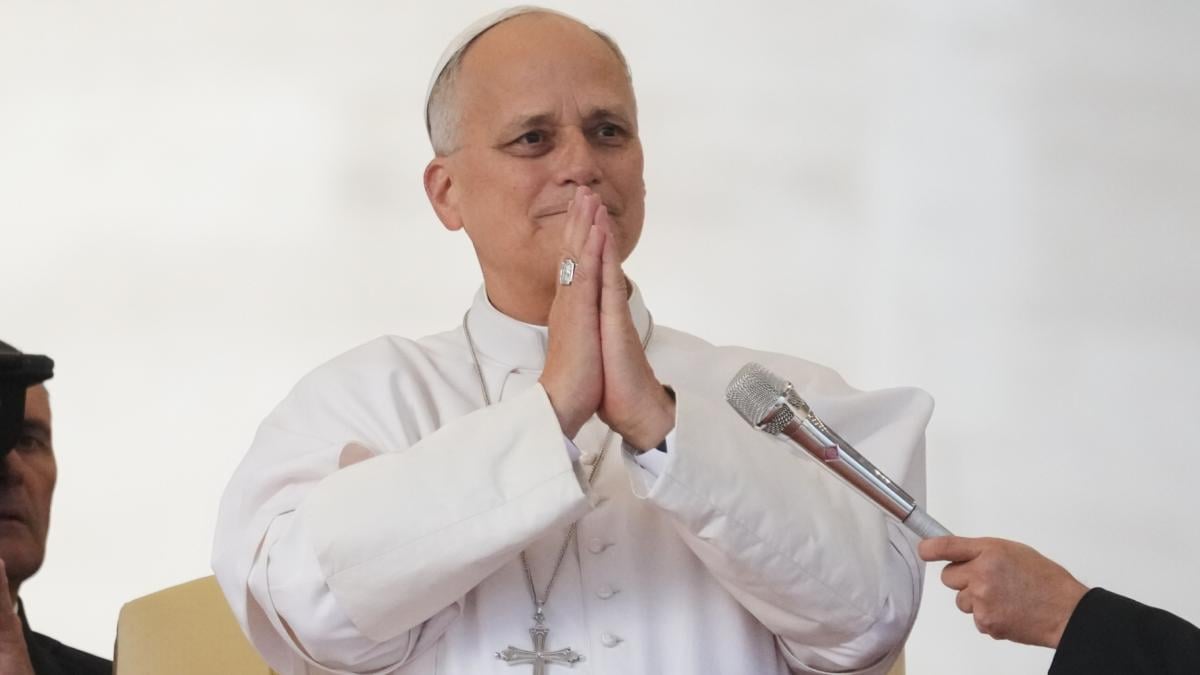 Pope Leo XIV thanks the faithful during his weekly general audience in St. Peter's Square at The Vatican, Wednesday, Oct. 21, 2026. (AP Photo / Gregorio Borgia)
VATICAN CITY (AP) — Pope Leo XIV got good news from his doctors: The pontiff will need no further treatment for lung cancer after follow-up tests confirmed the disease was localized, the Vatican said in a statement Wednesday.
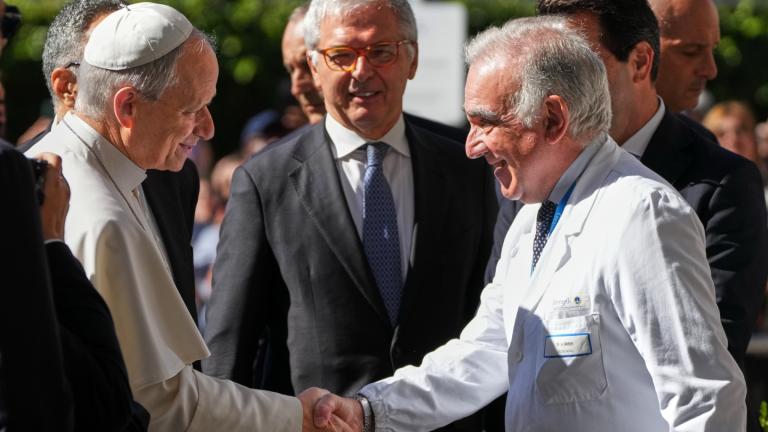
Leo, 71, had the lower lobe of his right lung removed last week in the first major health event of his 17-month pontificate. The surgery confirmed he had adenocarcinoma, the most common type of lung cancer. Leo was discharged from Rome’s Gemelli Polyclinic on Saturday, four days after surgery, and said he would gradually resume his activities.
The pope’s personal physician, Dr. Luigi Carbone, and his surgeon, Dr. Stefano Margaritora, said in a statement that results of the final post-operative tests on tissue removed during the pope’s surgery confirmed the diagnosis and that the cancer had not spread.
“A subsequent oncology assessment confirmed that no further treatment is necessary,” the doctors said.
The pope had the lower section, or lobe, of his right lung removed to try to ensure that all the cancer was removed.
Additional treatment is offered in such cases if follow-up testing finds signs that the cancer has spread, such as through the lymph nodes, or has certain other signs that it might be particularly aggressive. Surgery often can be enough when tumors are caught very early, such as when someone has an X-ray or other scan that shows a spot long before it’s large or causing symptoms.
The pope appears to have had one of those “incidental findings,” a nodule in his lung spotted during another exam.
In an interview with Vatican News on Saturday, Margaritora, the chief thoracic surgeon at Rome’s Gemelli hospital, confirmed that the nodule was found by chance during routine abdominal examinations, and that the pope had not been experiencing any symptoms.
“The statements suggest that this is a stage I lung cancer for which surgery is highly effective and expected to be curative,” said Dr. Stephen Liu, a lung cancer expert at Georgetown’s Lombardi Comprehensive Cancer Center. He said the lack of further treatment suggests a relatively small cancer, and that it had not spread to lymph nodes.
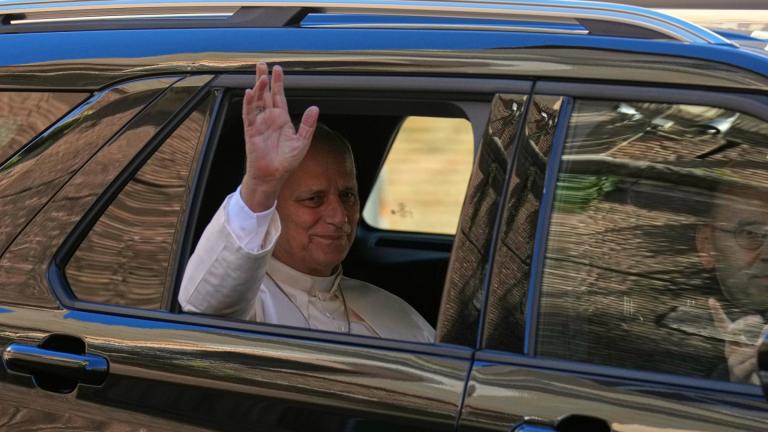
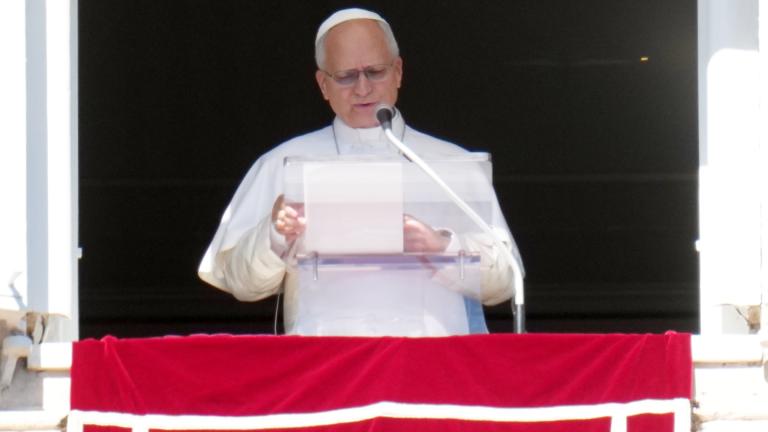
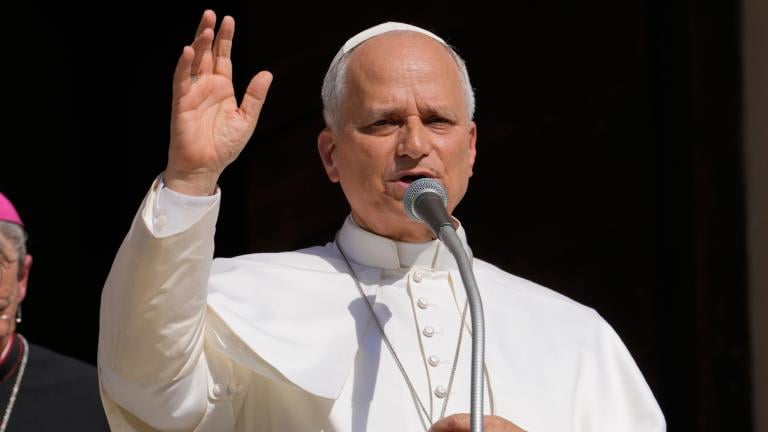
The pope carried on business while in the hospital, including a call with Russian President Vladimir Putin, and has appeared strong in two public appearances at the Vatican since his surgery: the traditional Sunday blessing from a window overlooking St. Peter’s Square and Wednesday’s longer audience in the square, greeting the faithful from around the world.
“Thank you! Thank you for the support of your prayers," Leo said during the audience.
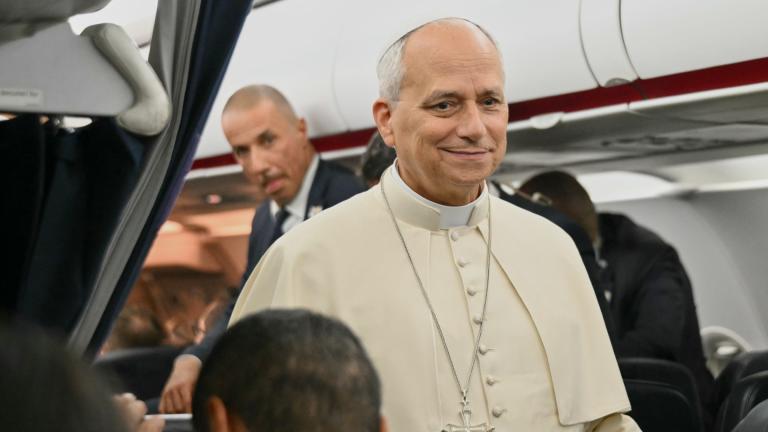
His next major engagement is an ambitious Nov. 6-17 trip to Uruguay, Argentina and Peru.
Margaritora told Vatican News that there was “no clinical reason” to prevent the trip, which includes a dozen flights, two helicopter rides and high altitude stops.
The pope had revealed that a nodule would be surgically removed during the traditional Sunday blessing on Oct. 11, in an unusually transparent disclosure broadcast on live television that broke the tradition of secrecy surrounding papal health issues.