Politics
Mayor Vetoes Plan to Require 30 Votes to Take on New Debt
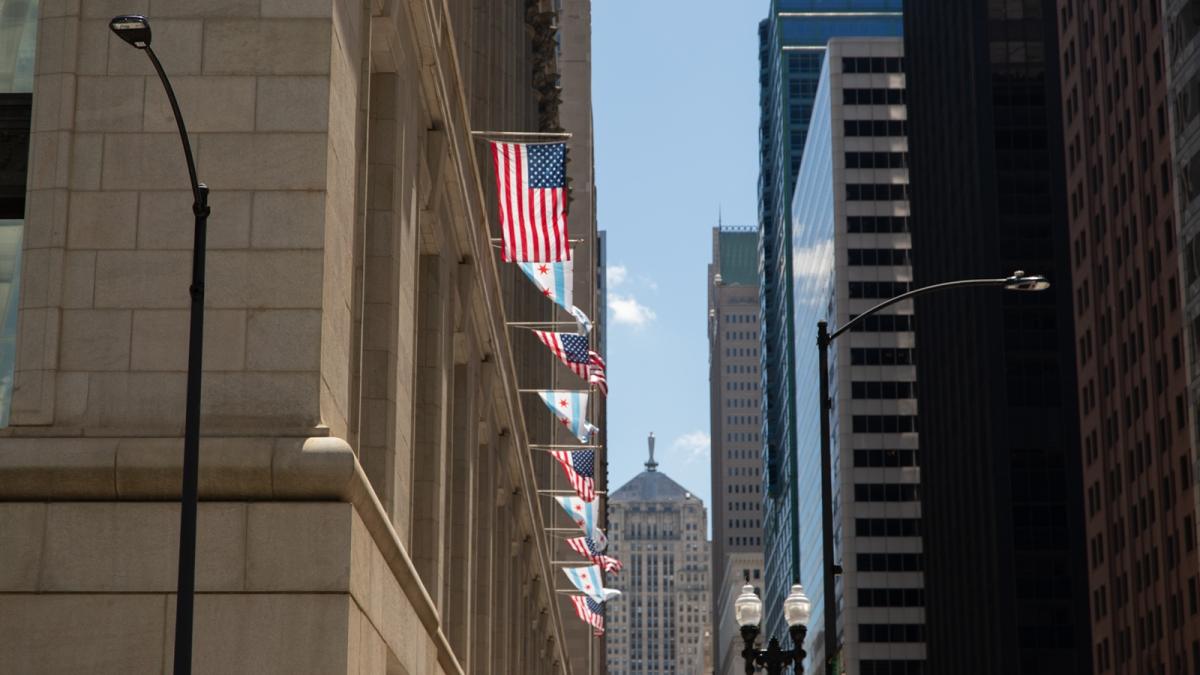 (Michael Izquierdo / WTTW News)
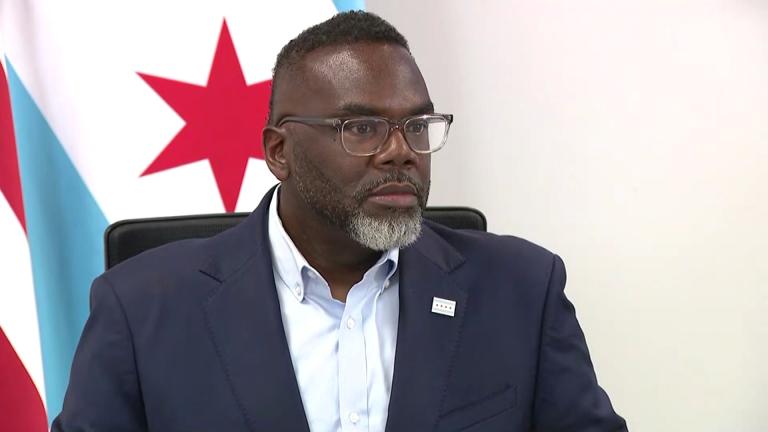
Mayor Brandon Johnson on Friday vetoed an ordinance that would have required at least 30 alderpeople to vote to approve any plan to borrow more money in an attempt to make it harder for the city to take on more debt.
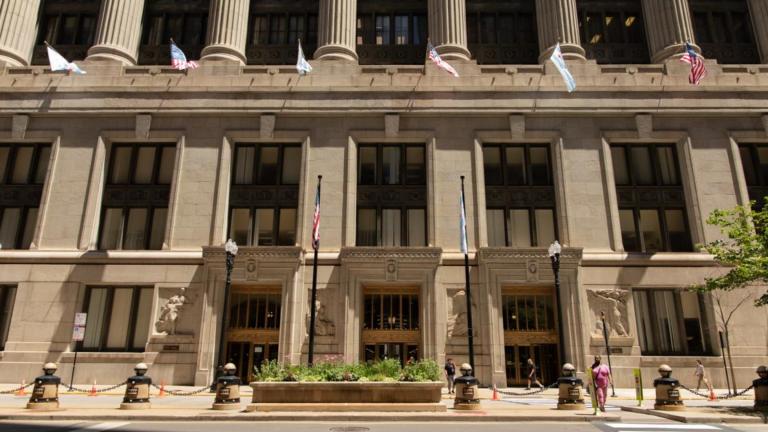
The Chicago City Council voted 32-15 on Sept. 30 to require new borrowing to be approved by a three-fifths vote of the City Council, rather than a simple majority of 26 votes.
It would take 34 votes to override the mayor’s veto of the ordinance authored by Ald. Marty Quinn (13th Ward), who is not seeking reelection in February. Alderpeople could attempt that override at Wednesday’s City Council meeting.
Quinn has been a frequent critic of the mayor and his handling of the city’s finances, which have long been out of whack, pinched by soaring pension costs, spiraling personnel costs and a massive amount of debt.
Johnson, who did not announce his fourth veto but simply filed the official notification Friday afternoon with City Clerk Anna Valencia, had told reporters that if the measure was allowed to take effect it would stop investment flowing to the West and South sides of Chicago.
“Neighborhoods with the greatest infrastructure needs should not face additional barriers to securing essential public investment,” Johnson wrote in his official veto measure. “Delaying infrastructure projects can increase construction costs, worsen deterioration and ultimately cost taxpayers more.”
Johnson referred to the measure as a “three-fifths compromise,” but declined to tell reporters whether he was implying that supporters of the measure were racist.
The “three-fifths compromise” is best known as the agreement reached in 1787 to count three out of every five enslaved people toward a state’s total population as part of the U.S. Constitution.
In April 2024, 32 members of the City Council voted to borrow $1.25 billion through 2028 to fund a wide-ranging slate of projects designed to expand the supply of affordable homes and good-paying jobs.
However, in February 2025, just 26 alderpeople voted to borrow $830 million to repair Chicago’s crumbling streets, sidewalks and bridges after weeks of controversy. Had that measure been rejected, the city would have no clear way to pay to repave roads, fix cracked sidewalks, renovate police and fire stations and replace police cruisers and fire trucks for the foreseeable future.
Since 2020, the City Council twice agreed to borrow a total of $3.25 billion to repair Chicago’s infrastructure with nowhere near as much controversy.
Johnson has vetoed ordinances that would have allowed the Chicago Police Department to impose a curfew with less than 30 minutes’ notice; would have banned the sale of most intoxicating hemp products throughout the city; and would reverse a 2023 City Council vote to phase out the tipped minimum wage.
In addition, Johnson allowed the $16.6 billion spending plan approved by the City Council over his objections to take effect in 2026 without his signature.
While efforts to expand CPD’s curfew powers have stalled, a state law imposed the bulk of the regulations on hemp that were included in the ordinance vetoed by Johnson.
In addition, Johnson did not veto a measure that delayed the end of the tipped minimum wage for an additional two years after he vetoed the total rollback. Tipped workers in Chicago will not get another city-ordered wage boost until July 1, 2028.
Contact Heather Cherone: @HeatherCherone | (773) 569-1863 | [email protected]