Health
Advocates Discuss the Path Toward Healing for Child Sex Abuse Survivors
The longest-serving Republican U.S. House speaker died this week in his suburban Chicago home, leaving behind a tarnished legacy. Allegations about Dennis Hastert sexually abusing teenage boys while he was a teacher and wrestling coach in Yorkville first came out in 2015. He admitted to the abuse in 2016 while on trial for violating federal banking laws.
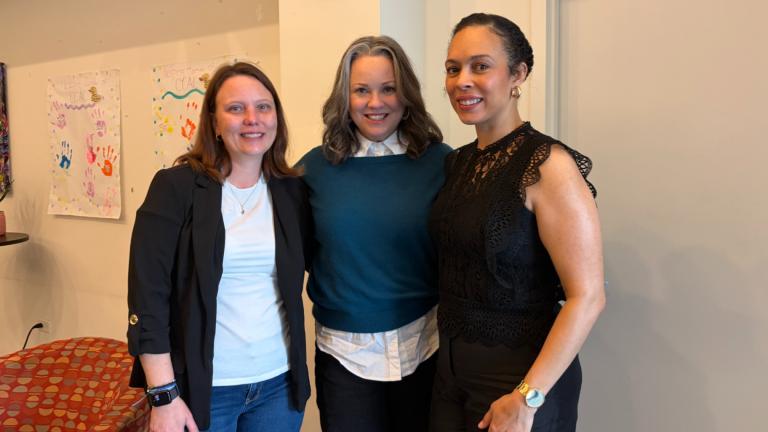
Melissa Schuch, senior director of development at Chicago Children’s Advocacy Center, said the sexual abuse of children “happens across all communities, all socioeconomic statuses, all demographics.”
She continued: “It’s an invisible harm a lot of times. You may not see bruises or physical signs of abuse. It can fly under the radar and a lot of people just aren’t aware that it’s happening around them.”
According to the Centers for Disease Control and Prevention, 90% of child sexual abuse is committed by someone known or trusted by the child or the family. One in four girls will be sexually abused by the time they’re 18 years old, and one in six boys will experience sexual abuse as a minor.
Signs of sexual abuse vary vastly, but they often manifest as behavioral or personality changes, Schuch said. Wetting the bed, insomnia and nervousness around certain individuals could all be indicators of abuse.
“We need to have open and honest, developmentally appropriate conversations with kids and start very young,” said Rachel McGinnis, director of La Rabida Children’s Advocacy Center. “If a child does disclose abuse, the first thing you want to do is tell that child, ‘I believe you and it’s not your fault.’ So many children are psychologically harmed when their caregivers or loved ones that they disclose to don’t believe them and tell them that they’re wrong.”
Healing, much like people’s signs of abuse, is not a one-size-fits-all journey. Support could entail different therapies, medical attention or advocacy through the court systems.
“Everybody is impacted by this,” McGinnis said. “If it’s not yourself personally, you know someone who’s been sexually abused. We need to be comfortable talking about it so that kids know they can come forward and this is not a scary topic that they can’t talk to us about.”