Business
The Market is ‘Volatile.’ How Should You Think About Your Investments Amid the Uncertainty?
“Volatile” is the word many are using to describe the economy these days.
War in the Middle East is disrupting oil prices, and tariffs are still adding a layer of uncertainty to trade.
Meanwhile, stocks are down to start the year.
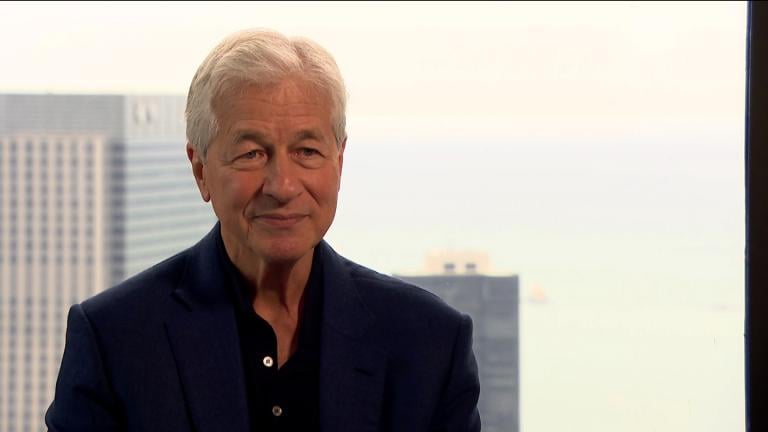
Danielle Moore, a financial advisor at Savant Wealth management, and Tassos Malliaris, a professor of economics at Loyola University Chicago, joined “Chicago Tonight” to break down what this means for investors.
What has been happening in the stock market since the beginning of the year?
Moore: The markets have been uneven. The reason we would say that is because the market is constantly the price — what discount do I want to pay today to the market for future profits?
There’s a lot of uncertainty in regards to this ongoing war in Ukraine, conflict in the Middle East. A lot changes by the day, by the minute, and all that’s factored into the pricing. Plus, inflation and information from the administration can change on a daily basis.
If the markets were flat and stable, we wouldn’t get a nice return. We would get in the long run a risk-free rate of return that wouldn’t support long-term wealth goals.
How is the war in Iran affecting global markets?
Malliaris: The markets react to events that have not been anticipated, and no one anticipated what is currently happening. Markets in general are volatile because they constantly try to re-evalulate what is happening. But, as a result of the Iran war, the volatility index has increased from 20 points to 30 points.
The conclusion is not that this is a very bad event. A year ago, when the Trump administration introduced tariffs, the volatility then was significantly higher, all the way up to 40 points. There is volatility because of the war, we live in an uncertain situation. But if you look at the futures market for the price of oil four or five months from now, the price is expected to return to about 60 dollars per barrel. Markets love excitement, and right now we’re trying to assess the durability of these difficulties.
Outside of the stock market, what else is affecting how people feel about the economy right now?
Moore: The economy and the market are not one and the same. The economy is looking at where we’re at today. The market is a pricing mechanism, and sets expectations for the future. The market is off a couple percent for the year, but if you have a diversified portfolio and you own stocks and bonds, along with currency appreciation bringing value back to U.S. dollars, you can still have a positive rate of return right now.
Now is not the time to react with emotion. Volatility exists, and for the long-term you’re rewarded for that. Having a plan and following it, at times like this when you’re tested, you’re rewarded.
Malliaris: The economy and stock market is like a rabbit and a turtle. The turtle is the economy that moves slowly day to day, and the stock market tries to see into the future and run very fast. Many times it gets too excited and has to slow down.
Overall, the U.S. economy today is doing very well. Unemployment remains low, inflation is down to approximately 2.5%, and the Federal Reserve remains independent and willing to do its job.
What advice would you give to people who feel like they’re struggling with the economy?
Moore: Anything you can do in terms of saving for your future, times of volatility can create wealth. If you’re pulling income from your portfolio, stick to the plan and don’t react to what’s going on.
The interview has been edited for length and clarity.