Politics
Mayor’s Pick to Lead City Animal Shelter Advances to Full Council Vote as Calls Continue for National Search
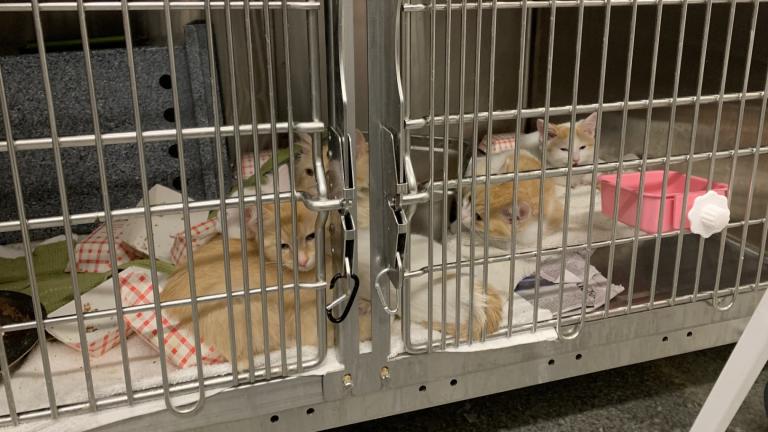
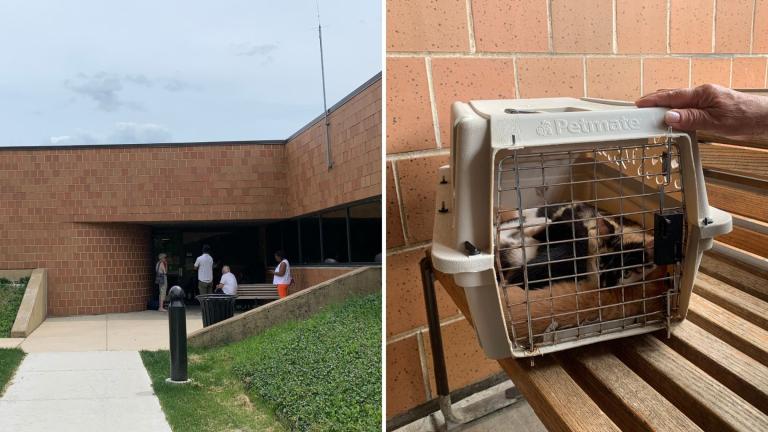
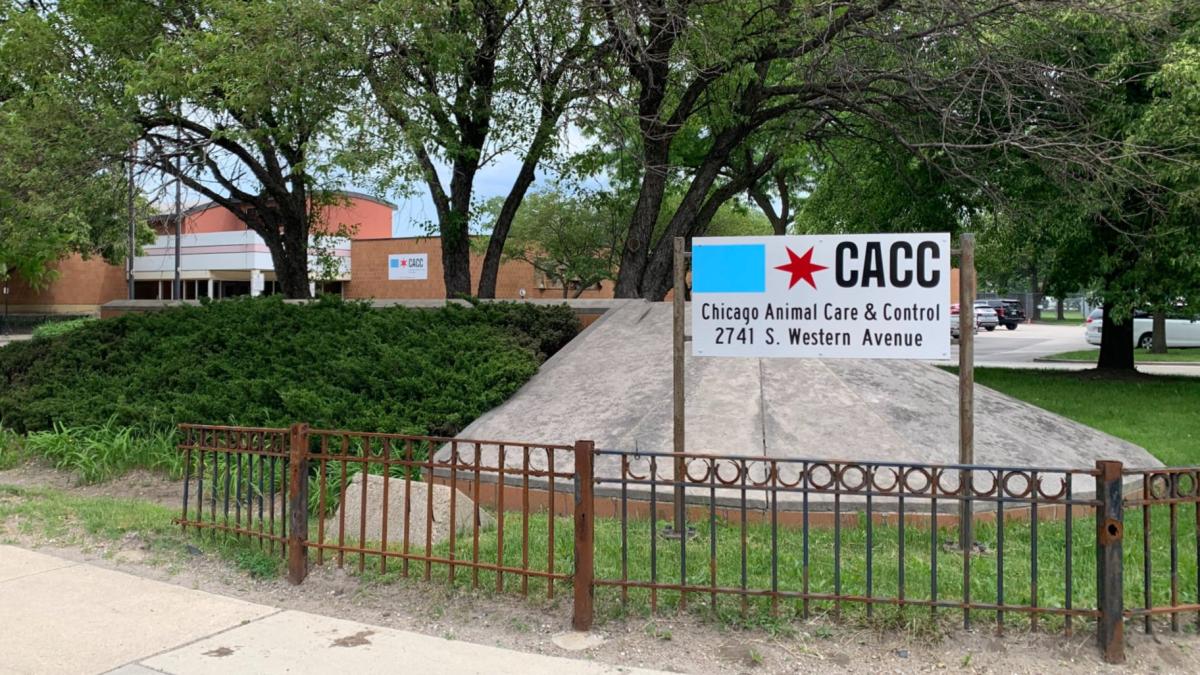 The Chicago Animal Care and Control facility at 2741 S. Western Ave. is pictured in a file photo. (Eunice Alpasan / WTTW News)
Mayor Brandon Johnson’s pick to lead Chicago Animal Care and Control highlighted the work of the city shelter during a committee hearing Tuesday, as some animal advocates and shelter volunteers continue to push for a nationwide search.
Susan Cappello, who spoke at City Hall during a meeting of the Committee on Health and Human Relations, was appointed by the mayor last month to lead the city-run animal shelter after serving as acting executive director for the last three years.
“I recognize that concerns have been raised about shelter operations, conditions and outcomes, and I take those concerns seriously,” Cappello said. “Municipal animal sheltering is complex work, and the decisions our staff face every day are often difficult.”
Cappello’s appointment as executive director of Chicago Animal Care and Control will move forward to a vote at the upcoming City Council meeting later this month.
A group of advocates from local rescue groups and city shelter volunteers spoke out against Cappello’s appointment Tuesday during a news conference and during public comment. More than two dozen local rescue groups signed onto a letter earlier this week calling on Johnson to conduct a nationwide search.
Dr. Jacquie Cobb, veterinarian and president of Second City Canine Rescue, called on City Council members to reject Cappello’s appointment during public comment.
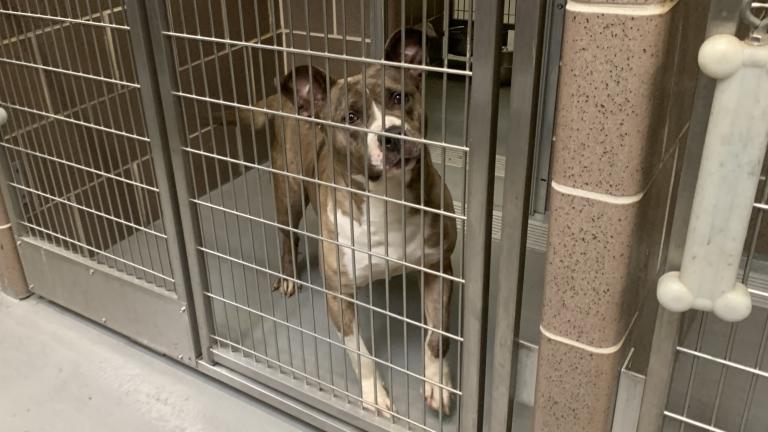
“CACC is a difficult case; no one disputes that, but the difficulty is not an excuse for chronic failure, and it is not a reason to hand out a permanent promotion,” Cobb said. “After roughly three years of acting leadership, we are still talking about serious concerns involving shelter conditions, euthanasia, volunteer dysfunction and dogs spending nearly all days in cages.”
At the same time, some leaders of other local animal rescue groups such as PAWS Chicago, Anti-Cruelty Society and Tree House Humane Society have expressed support of Cappello’s appointment to lead Chicago Animal Care and Control.
PAWS Chicago serves as the city’s largest partner in transferring animals out of the shelter and providing support services.
Cappello said that as executive director, she would focus on strengthening city ordinance to better address backyard breeding. Cappello also said in a news conference last month that her goal this year is for each shelter dog to be walked every day. Dog walking is solely done by volunteers, she said, and currently, some dogs only get to leave their kennels once a week.
The department operates with an annual budget of about $8.1 million. This fiscal year, the shelter received an increase of $657,000 in the budget, which will add eight new positions, according to Cappello.
However, Cappello said that when comparing Chicago to other major cities like New York, Los Angeles and Houston, the city spends about $2.80 per resident for municipal animal services compared to about $6 to $7 per resident in other cities.
During public comment, many animal advocates, regardless of where they stood on the appointment, were in agreement that Chicago Animal Care and Control is underfunded.
“Even if a national search happened tomorrow and we hired Peter Pan, the biggest problems remain: the aging building, improved but limited budget, and most importantly, that the line outside the door remains outside the door,” said animal behavior consultant and radio host Steve Dale, alluding to high animal intake numbers at the city shelter.
In 2025, Chicago Animal Care and Control had the highest number of adoptions in its recorded history, according to the city. Last year, 3,628 animals were adopted out, according to city data. However, advocates say euthanasia numbers are still too high. Last year, 2,460 animals at the shelter were euthanized for reasons related to health, behavior and/or the capacity for care.
The city does not have the time or money to conduct a national search, Ald. Jessie Fuentes (26th Ward) said during the committee meeting, as Chicago faces financial challenges and potential cuts later this year that could lead to layoffs, she added.
“We gave you some money, and we’re very capable of taking it back if things get real bad,” Fuentes said to Cappello during the meeting. “I also know that our animals deserve to be treated with care and love, and that our volunteers deserve to be treated with care and love.”
Contact Eunice Alpasan: [email protected]