Health
Illinois SNAP Recipients Will Receive Remaining Benefit Payments Starting Friday
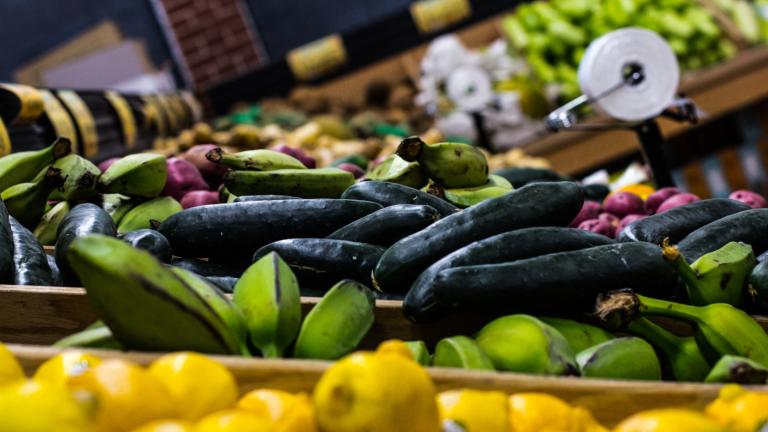
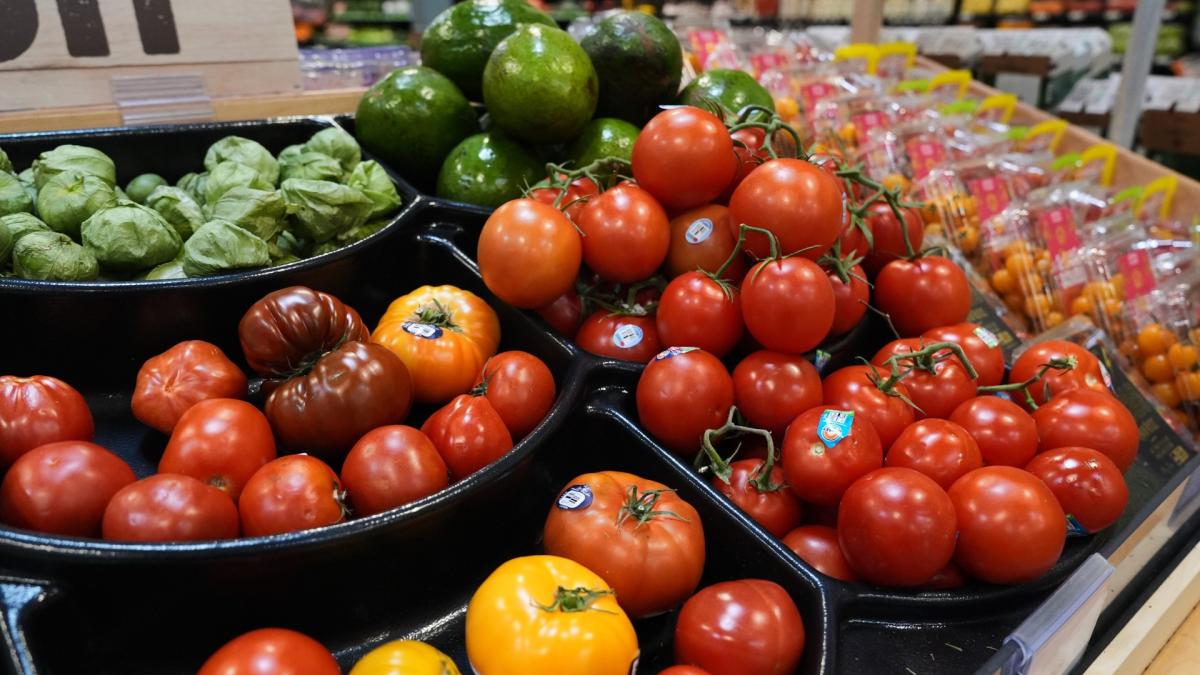 Produce, which is covered by the USDA Supplemental Nutrition Assistance Program (SNAP), is displayed for sale at a grocery store in Baltimore, Monday, Nov. 10, 2025. (AP Photo / Stephanie Scarbrough)
As the longest government shutdown in U.S. history comes to a close, SNAP recipients in Illinois will start to receive remaining benefit payments starting Friday, with all recipients
receiving their full benefits for November within a week, according to the state officials Thursday.
The Illinois Department of Human Services, which previously issued partial November benefits, said that it is “working to restore full SNAP benefits.” But it won’t happen instantly.
“We anticipate that the remaining benefit payments will be made over several days, starting tomorrow,” the department said in a Thursday statement, and that “all SNAP recipients will receive their full November benefits by November 20th.”
Nearly 2 million Illinois residents, including 900,000 people in Cook County, rely on the Supplemental Nutrition Assistance Program. The average monthly SNAP benefit is about $370, with many SNAP-recipient, low-income households containing older adults, children and those with disabilities, according to IDHS.
A back-and-forth series of court rulings and shifting policies from President Donald Trump’s administration has led to a patchwork distribution of November SNAP benefits among states. While some states already had issued full SNAP benefits, about two-thirds of states had issued only partial benefits or none at all before the government shutdown ended late Wednesday, according to an Associated Press tally.
The U.S. Department of Agriculture, which runs the program, issued new guidance Thursday, instructing: “State agencies must take immediate steps to ensure households receive their full November allotments promptly.”
Community members, restaurant owners and food pantries in the Chicago area have stepped up to meet the increased need amid a lapse in funding for the federal food assistance program.
The Greater Chicago Food Depository, in addition to its normal food distribution at its more than 850 partner pantries, soup kitchens and shelters across Cook County, has held emergency food distribution sites on Saturdays this month in areas with a high concentration of SNAP recipients.
A total of 1,700 households were served during the first Saturday event, and of that number, 27% were visiting the Greater Chicago Food Depository for the first time, according to spokesperson Man-Yee Lee.
Emergency food distribution sites will be held again this Saturday at nine locations: Pan de Vida - Midway, Aspire Center, Grace and Peace, Harmony Community Cares, St. Sabina, Free-N-Deed, St. Francis De Sales High School, Sankofa Food Market and Grow Greater Englewood. Visit GCFD’s website for more details.
But even with the government reopening, food pantries and anti-hunger advocates are preparing for another hunger crisis, stemming from new SNAP eligibility rules following a federal budget reconciliation bill that was signed into law in July.
An estimated 16,000 legally-present immigrants in Illinois will begin losing their SNAP eligibility as soon as Dec. 1, due to federal rule changes, according to the Greater Chicago Food Depository. Additionally, up to 450,000 SNAP recipients in Illinois could lose their benefits in the spring due to new work reporting requirements.
Because of the uncertainty over benefits, the USDA told states to exclude November from a federal requirement that most adult SNAP recipients work, volunteer or participate in job training for at least 80 hours a month. Under normal circumstances, recipients can only go three months in a span of three years without meeting the work requirements.
“The hunger forced upon SNAP participants in recent weeks underscores the program’s role as an essential lifeline – and offers a stark preview of the challenges ahead,” according to a Greater Chicago Food Depository statement on Thursday.
The depository described the disruption of SNAP as “unprecedented and unnecessary,” adding in a statement it was “deeply disappointed” a deal was not reached during the federal shutdown to extend enhanced premium tax credits for health care.
“Healthcare expenses and the cost of living will rise for many of our neighbors at risk of food insecurity,” according to the statement. “This will force more families to make impossible choices between buying food or paying for healthcare.”
Federal Legislation Funds SNAP for a Year
The USDA told states Oct. 24 that it would not fund SNAP benefits for November amid the government shutdown. Many Democratic-led states, including Illinois, sued to have the funding restored.
Approximately 42 million people nationwide, or about 1 in 8 Americans, rely on SNAP benefits.
After judges ruled the Trump administration must tap into reserves to fund SNAP, the administration said it would fund up to 65% of its regular allocations. When a judge subsequently ordered full benefits, some states scrambled to quickly load SNAP benefits onto participants’ cards during a one-day window before the Supreme Court put that order on hold this past Friday.
Meanwhile, other states went forward with partial benefits, and still others issued nothing while waiting for further USDA guidance about the situation. During the government shutdown, Illinois began to issue partial benefits to some SNAP recipients starting Nov. 7.
The state typically administers more than $350 million in SNAP benefits each month, according to IDHS.
The legislation to reopen the U.S. government provides full SNAP benefits not only for November but also for the remainder of the federal fiscal year, which runs through next September. Citing that legislation, the Justice Department on Thursday dropped its request for the Supreme Court to continue blocking a judicial order to pay full SNAP benefits.
The Associated Press contributed to this report.
Contact Eunice Alpasan: [email protected]