Science & Nature
Callery Pear Leads New Additions to Illinois’ List of Invasive Plant Species
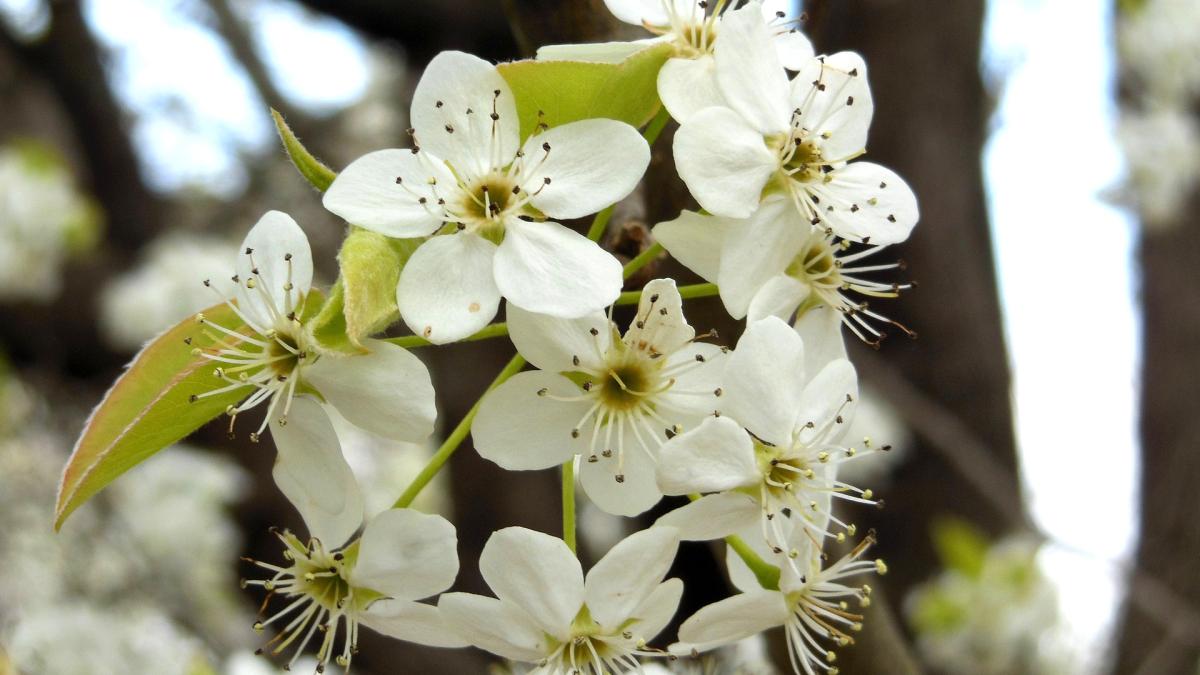 Callery pear blossoms. (sharonshuping0 / Pixabay)
Callery pear (Pyrus calleryana), beloved by landscapers for decades, is now officially an invasive species in Illinois.
The tree is one of nine plants just added to the state’s exotic weeds list on the recommendation of the Illinois Invasive Species Council, bringing the total to 34.
Given its ubiquity in the nursery industry, Callery pear will become illegal to buy, sell, distribute or plant on Jan. 1, 2028, providing growers with a grace period to phase out their stock.
 Callery pear’s ability to thrive in harsh conditions, like parking lots, made it popular with landscapers (l). That same tenacity has made it a major threat to natural areas, where the tree can quickly dominate native species (r). (Credits: Leslie J. Mehrhoff, University of Connecticut, Bugwood.org (l); James H. Miller, USDA Forest Service, Bugwood.org)
The other eight additions are banned immediately:
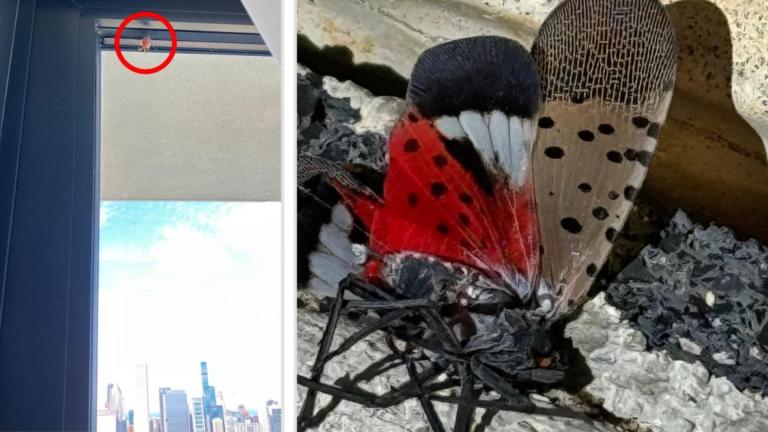
— Tree of heaven (Ailanthus altissima), also a host plant for the invasive spotted lanternfly
— Garlic mustard (Alliaria petiolata)
— Leafy spurge (Euphorbia virgata)
— Sericea lespedeza (Lespedeza cuneata), also known as Chinese bush clover or silky bush clover
— Japanese stiltgrass (Microstegium vimineum)
— Amur corktree (Phellodendron amurense)
— Black swallow-wort (Vincetoxicum nigrum), also known as strangling vine, seed pods can resemble milkweed
— Pale swallow-wort (Vincetoxicum rossicum)
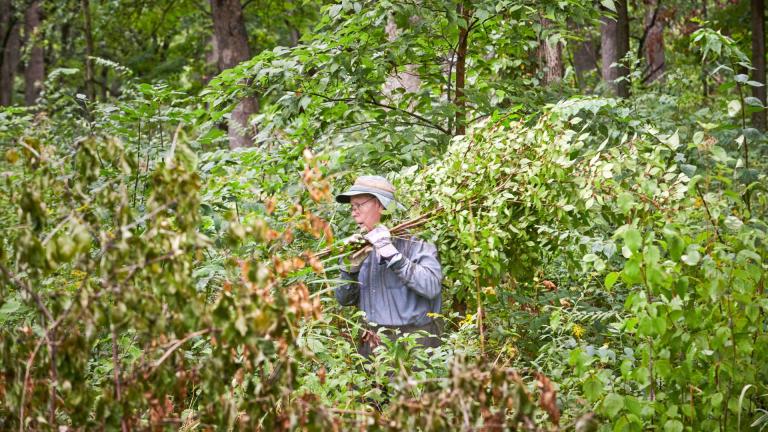
“Exotic weeds” refers to plants non-native to North America that spread vigorously in the wild, degrading natural habitat and threatening the survival of native species. Many were introduced as ornamentals but ultimately escaped cultivation. In the case of Callery pear, the seeds of its fruit are carried by birds far and wide.
It’s illegal to trade in any part of a noxious weed — from seed to root — without a permit, which typically are only granted for research purposes.
Illinois’ Invasive Species Council was placed on hiatus in 2015 and reformed in 2020. It’s composed of professionals from the public and private sectors who make formal recommendations to the Illinois Department of Natural Resources and the Department of Agriculture.
There are three committees within the council — Terrestrial Plants, Pests and Pathogens, and Aquatic Life — with the Terrestrial Plants group having recommended the most recent exotic weed additions.
The committee is already considering another round of invasive plant species, including one many homeowners will likely recognize: burning bush (Euonymus alatus).
Others under review: Japanese chaff flower (Achyranthes japonica), spotted knapweed (Centaurea biebersteinii), European wand loosestrife (Lythrum virgatum), field bindweed (Convolvulus arvensis), common reed (Phragmites australis), winter creeper (Euonymus fortunei) and porcelain berry (Ampelopsis brevipenduculata).
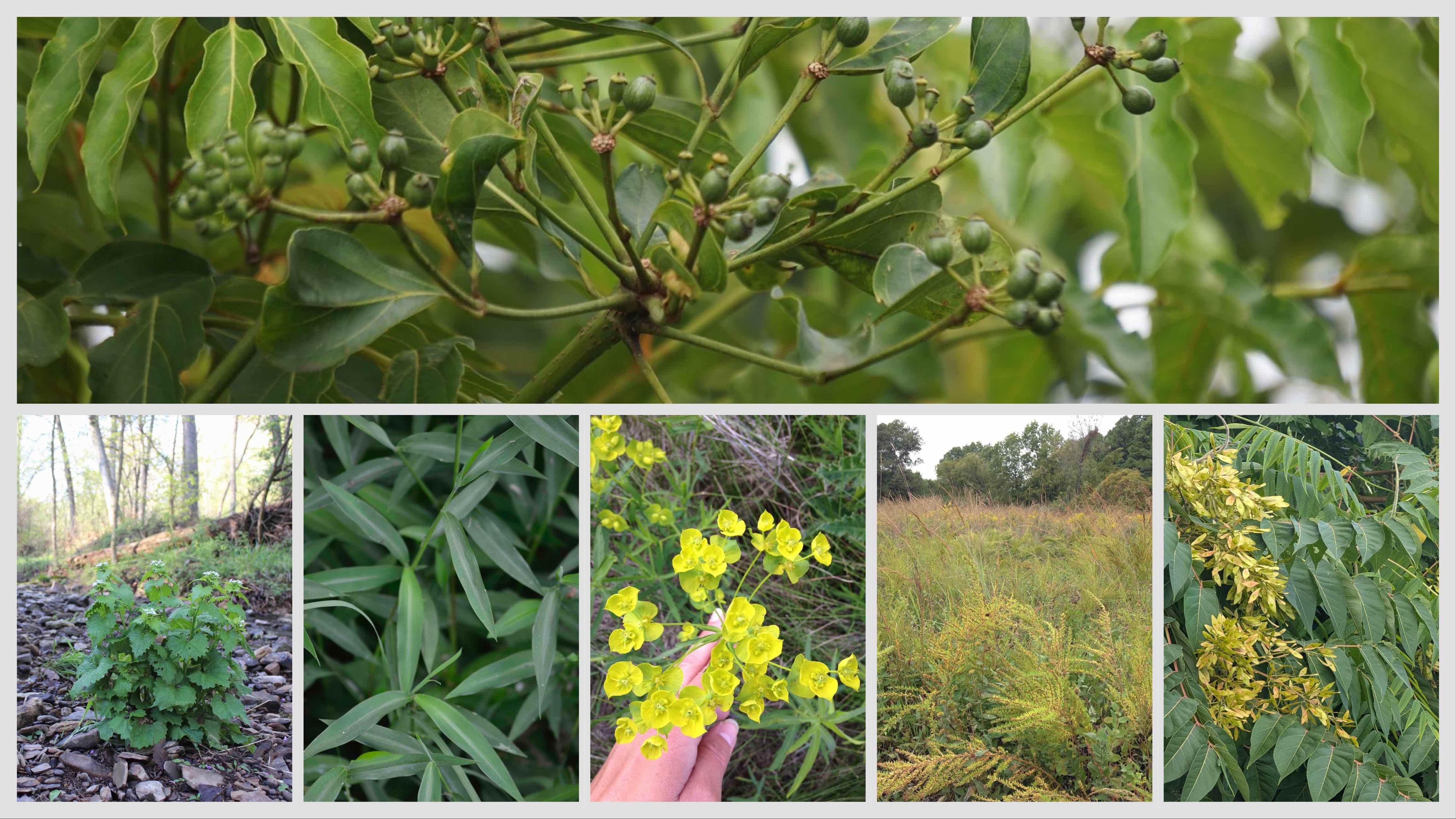 The newest additions to the list of Illinois’ least wanted plants, Top, Amur corktree. Bottom, left to right: garlic mustard, Japanese stiltweed, leafy spurge, sericea lespedeza, and tree of heaven. (Credits: Top, Mangkelin / iStock. Bottom: #1 and #5, Christopher Evans / University of Illinois Extension; #2, #3 and #4, Erin Garret / University of Illinois Extension)
Contact Patty Wetli: [email protected]