

Simbo Ige
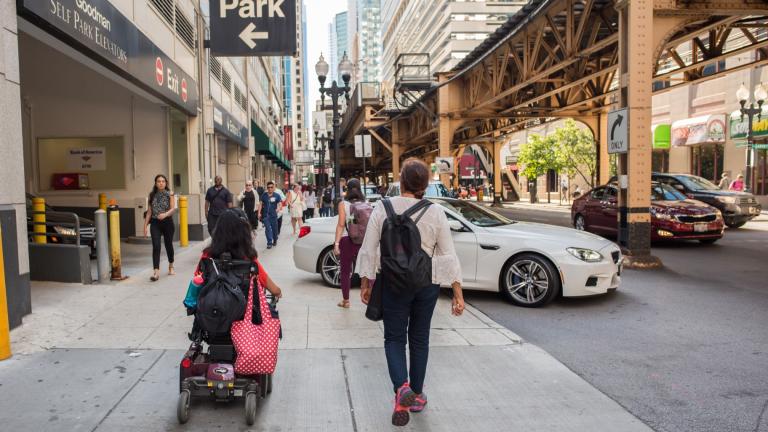

The “Neighborhood Conditions for Adults with Disabilities in Chicago” report released Monday aimed to better understand the experiences and needs of Chicagoans with disabilities across neighborhoods. The report was created in collaboration with the Mayor’s Office for People with Disabilities and the Chicago Department of Public Health.
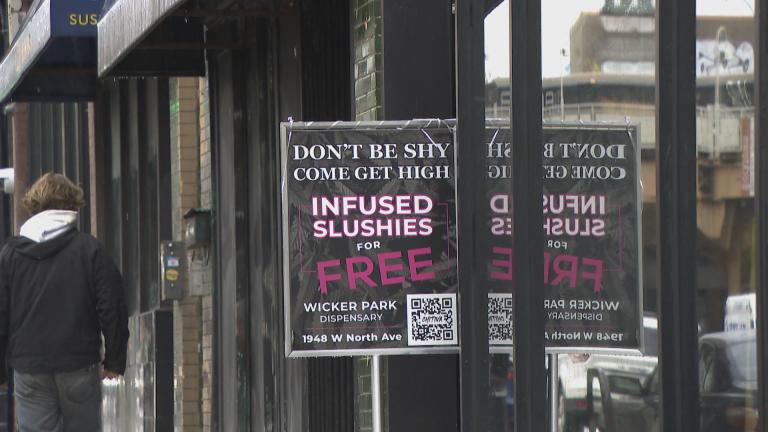
The License and Consumer Protection Committee voted 10-6 to send the measure to the full City Council, where it faces an uncertain fate and the opposition of Mayor Brandon Johnson.
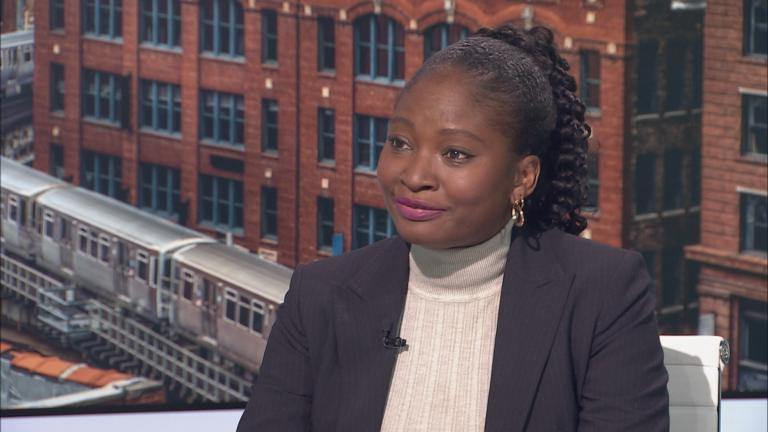
“From the public health perspective, it is about protecting the children and protecting adults who don’t really know what is in the products they’re consuming,” Chicago Department of Public Health Commissioner Dr. Olusimbo “Simbo” Ige said.
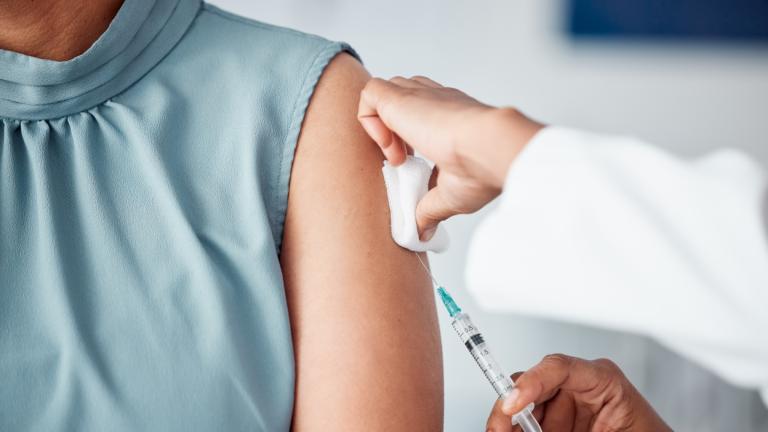
The latest COVID-19 vaccines were approved for people who are 65 and older or have certain health conditions. But medical organizations like the American Academy of Pediatrics — and some states — are breaking from the federal guidelines by expanding their recommendations.
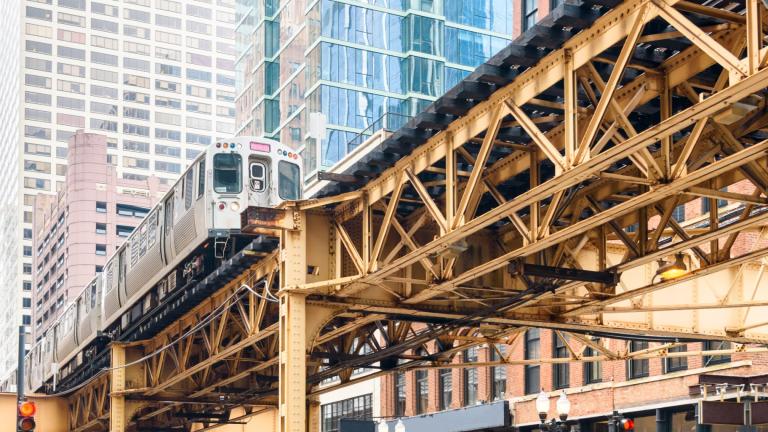
Johnson on Tuesday signed an executive order calling for a “full-force of government approach” to tackling the pervasive smoking problem on city trains and buses.
The cuts could force the elimination of more than 100 staff positions, Chicago officials said.
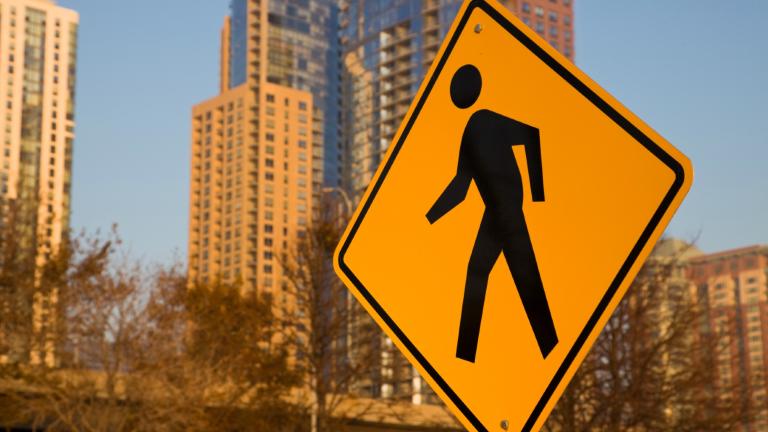
The statistics, compiled by the Chicago Department of Transportation by comparing 2021 crash data with information from the Cook County Medical Examiner’s Office, are a key justification for members of the Chicago City Council looking to lower the city’s default speed limit from 30 mph to 25 mph.
Mayor Brandon Johnson’s spending plan for 2025 earmarks nearly $700 million for the Chicago Department of Public Health, which is charged with fighting the spread of communicable diseases, providing mental health care and ensuring the safety of food at restaurants and festivals.
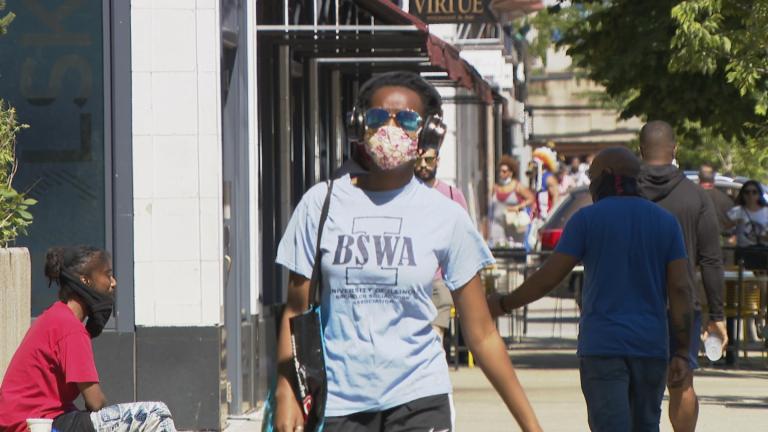
According to the Centers for Disease Control and Prevention, cases started to rise the week ending May 18 and have seen a steady incline since. With the start of the new school year right around the corner — just what is the latest COVID-19 guidance?
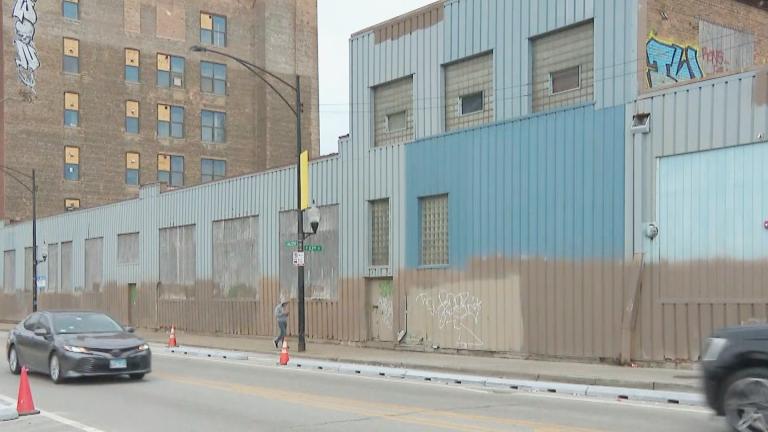
More Than Half of Migrants Forced to Leave City Shelters Immediately Returned, Chicago Officials Say
The acknowledgement that approximately 500 people returned to city shelters after living there for at least two months raises new questions about plans by officials to start evicting families with school-age children from city shelters on Monday.
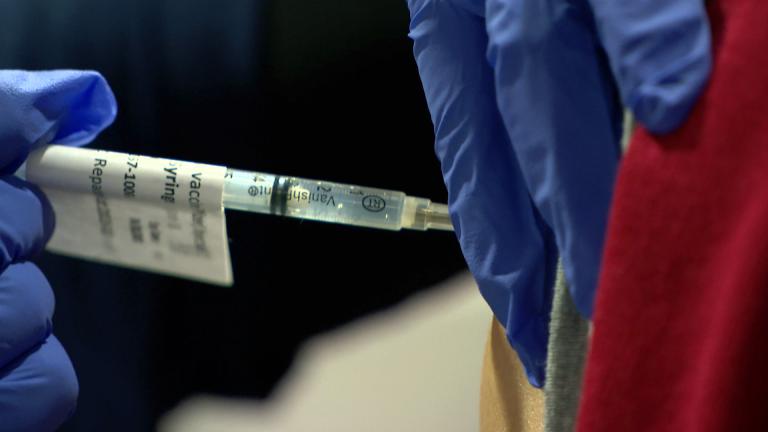
The end of the outbreak comes after nearly six weeks, or two incubation periods, without any new measles cases, according to a news release. The last measles case was reported April 20.
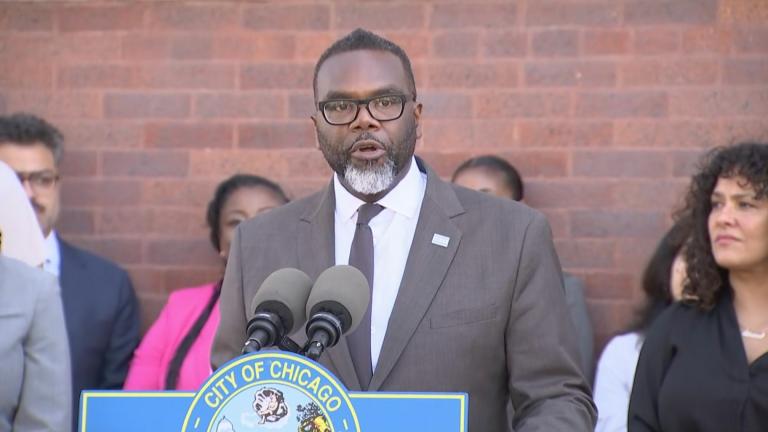
Mayor Brandon Johnson announced plans to reopen the city-run Roseland Mental Health Center by the end of this year, and open two other mental health service sites at the Legler Regional Library on the West Side and at the Chicago Department of Public Health’s Lower West Side vaccine clinic in Pilsen.
Measles cases in Chicago account for more than half of reported cases in the U.S. so far this year. More than half of the measles cases in the city were in children ages 4 or younger.
In all, 31 Chicagoans have been diagnosed with measles since March 4.
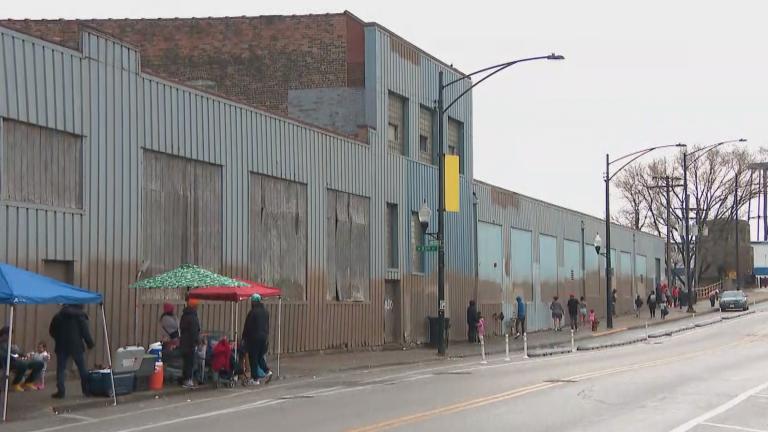
No one will be evicted from the city’s migrant shelter in Pilsen, where 10 cases of measles had been confirmed as of late Thursday night.
City health officials did not immediately identify whether the latest people to contract measles are children or adults, nor did they disclose their condition, as they have with all other cases of measles.
Trending
Pair of Chicago Elementary Schools Named Top in Illinois in New U.S. News Rankings

Mother-Son Reunions Among Latest Milestones for Shedd’s Rescued Belugas

Republican Ohio Gov. Mike DeWine Denounces Ramaswamy Ad Featuring Democrat Amy Acton’s Estranged Mother
Giannoulias, Quigley, Wilson — But Not Johnson — Among First to File Signatures Ahead of Chicago’s February Mayoral Election
Chicago Hotel Workers Expand Strike as They Negotiate Wages, Working Conditions
Sign up for the WTTW News newsletter