

Artificial Intelligence


The lawsuit, which was filed in Illinois, said McDonald’s pricing tool uses artificial intelligence to collect data that competing franchises wouldn’t normally share, like store-level sales.
A former Anthropic and OpenAI researcher alleged in an explosive social media post earlier this month that AI companies are building a tool that could become “out of control” and pose a threat to human existence by 2030.

Calls for increased safety regulations on artificial intelligence have reached a boiling point following a post on X from former OpenAI and Anthropic researcher Jacob Coxon that warned of a potential doomsday scenario.

New warnings from within the artificial intelligence industry have revived a long-running debate over whether advanced AI could escape human control and ultimately threaten humanity’s survival.
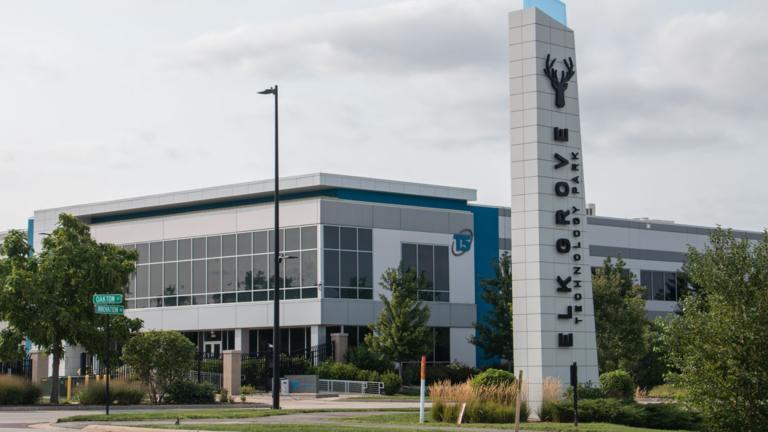
Democratic Gov. JB Pritzker once championed data centers. But as they have scaled up, he’s paused state incentives and his position has evolved to one of “responsible growth.” Republican candidate Darren Bailey has both criticized Pritzker’s pause of the tax incentive program and claimed credit for inspiring it.
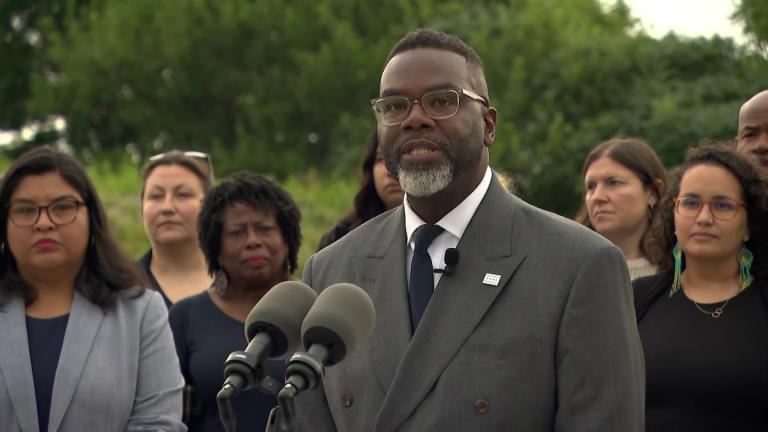
“Chicagoans have been absolutely clear: They do not want data centers expanding across our city without strong protection for their communities, their utility bills, their air, water and their quality of life,” Mayor Brandon Johnson said.

The 409-page document includes a disclosure that some of the content was developed with the use of AI tools like ChatGPT.
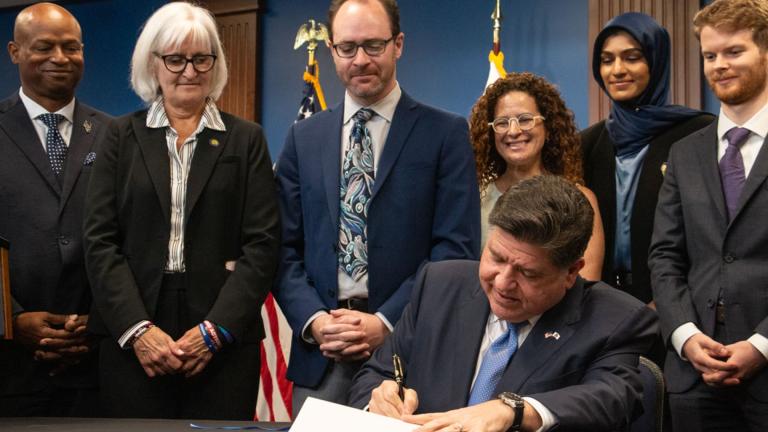
The legislation is based on similar bills from California and New York. Lawmakers estimate that the three states account for roughly 40% of the U.S. AI market, thus effectively establishing a de facto national standard in lieu of federal regulations.
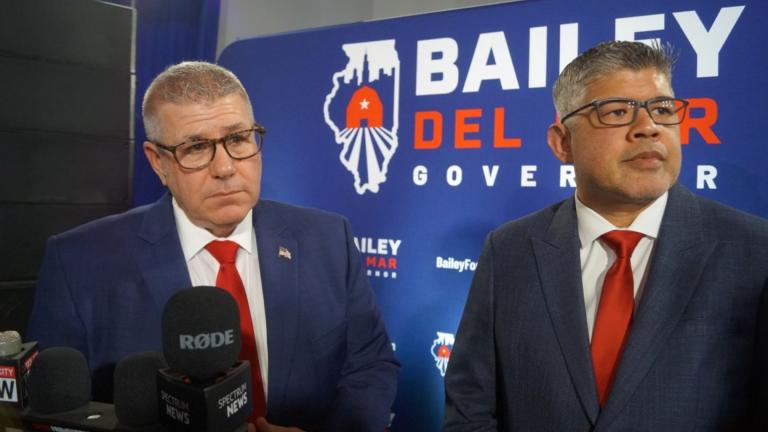
Republican Darren Bailey’s campaign for governor is embracing images made with artificial intelligence in social media posts. Gov. JB Pritzker’s campaign manager said the governor’s campaign has a policy against using AI in public-facing content.
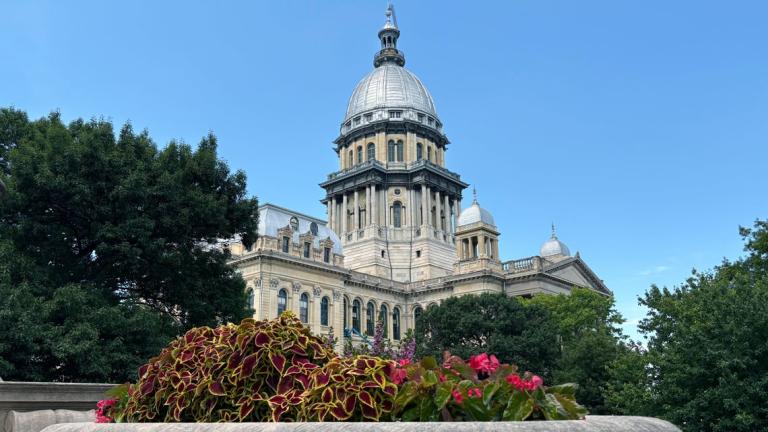
July 1 marks a second New Year’s Day in Illinois as a new budget takes effect along with more than a dozen new state laws.
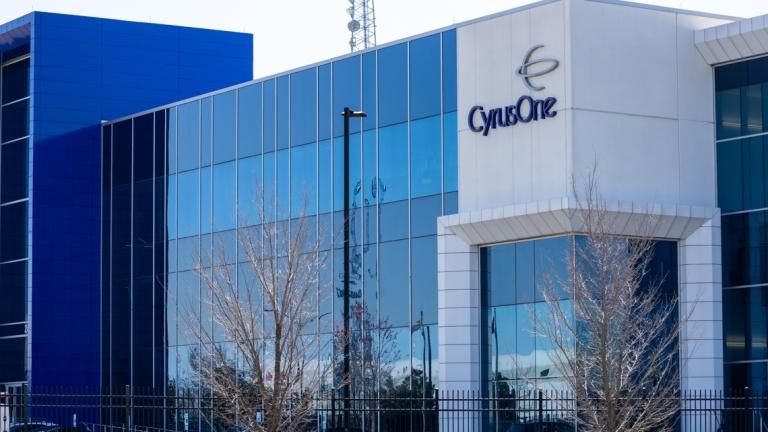
Data centers are a hot topic in Illinois and around the country. Alongside more construction comes more public scrutiny.
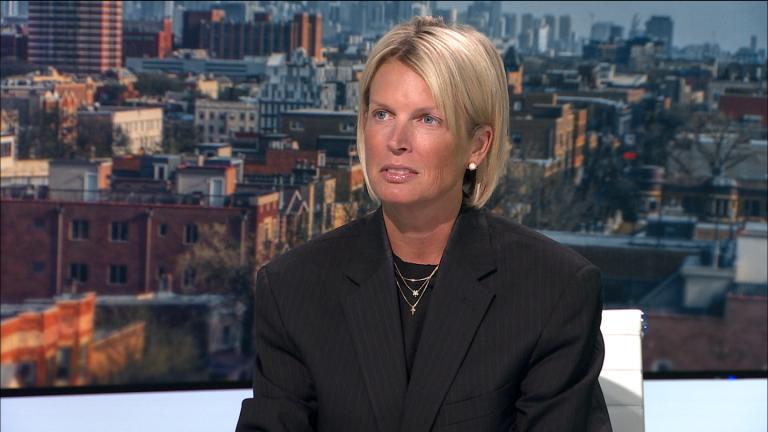
State Republican leaders criticized the General Assembly session schedule and new taxes in this year’s budget. But they saw progress in their overall inclusion in budget talks, and also advanced several pieces of bipartisan legislation.
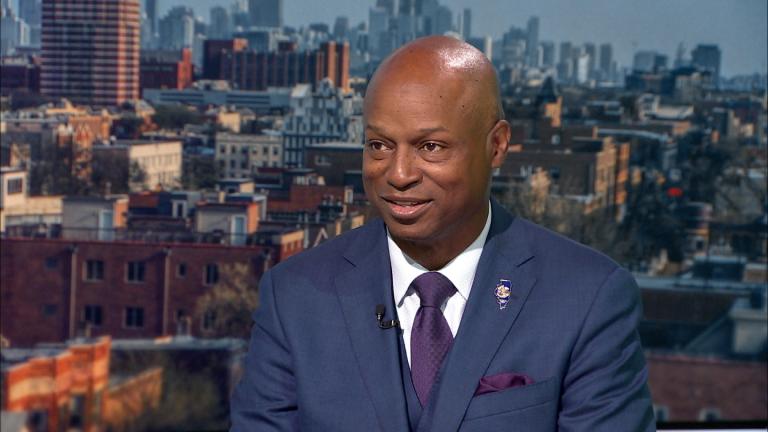
It was well past 4 a.m. Monday when the Illinois House of Representatives adjourned for the summer. The budget had been balanced, and a flurry of bills were sent to the governor’s desk. But a busy finish to the spring session left some of the biggest decisions until the very end.

According to a report earlier this year from the Guttmacher Institute, an organization that advocates for and researches abortion access, nearly a quarter of all people seeking an abortion outside the state where they live came to Illinois.
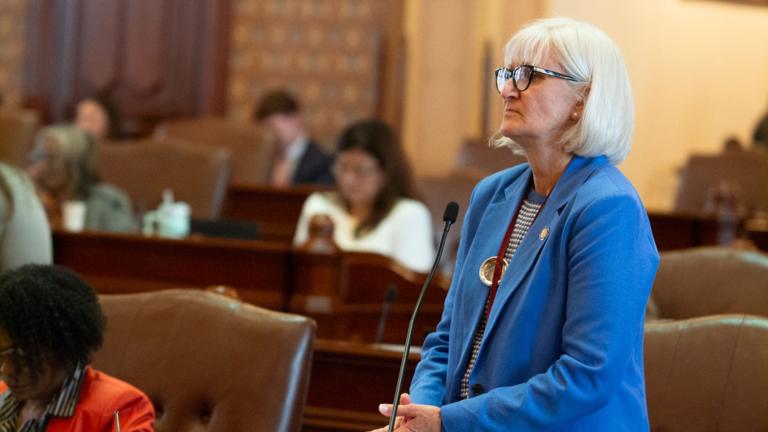
The bill is part of a larger package regulating AI and is modeled after legislation in California and New York as states seek to establish a national regulatory standard.
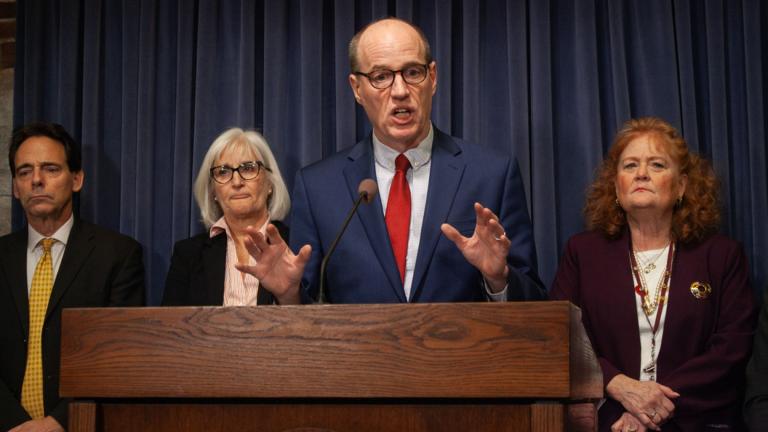
The eight bills tackle consumer protections, chatbot transparency and how AI can be used in schools. Lawmakers said the lack of federal policy was part of their motivation for introducing legislation, by banding together with other states to create a standard.
Trending
Cost to Resolve Lawsuits Tied to Disgraced Ex-CPD Detective Reynaldo Guevara Tops $473M, With 25 Lawsuits Pending

Pritzker, Bailey Square Off in Contentious Discussion Over Taxes, Trump and Bears

Car Registered to Man Accused of Planning Mass Shooting Was at Hindu Temple He Targeted, Police Say

CPD Agrees to Fire 7 More Officers Who Lied to Get COVID-19 Relief Loans, CDOT Employees Also Targeted: Watchdog

Former Chicago Board of Ethics Deputy Director Should Be Fired After She Drove Drunk, Caused Crashes, Battered Bystander: Watchdog

Sign up for the WTTW News newsletter