

Cyberattack


At the end of July, several water systems from Minnesota to Georgia suddenly went offline. While officials restored them, cybersecurity experts now say the outages may have been caused by Iranian hackers, raising larger questions about the security of America’s critical resources.
As scammers find new ways to steal money and personal information, consumers should be more vigilant about who they trust, especially online.
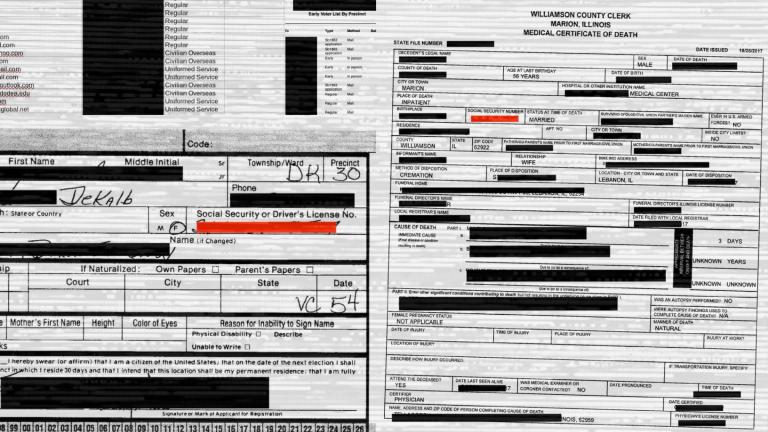
The documents were available through an unsecured cloud storage platform. They included Social Security numbers, dates of birth, addresses and voter registration history.

CDK Global, a company that provides software for thousands of auto dealers in the U.S. and Canada, was hit by back-to-back cyberattacks Wednesday. That led to an outage that has continued to impact operations.
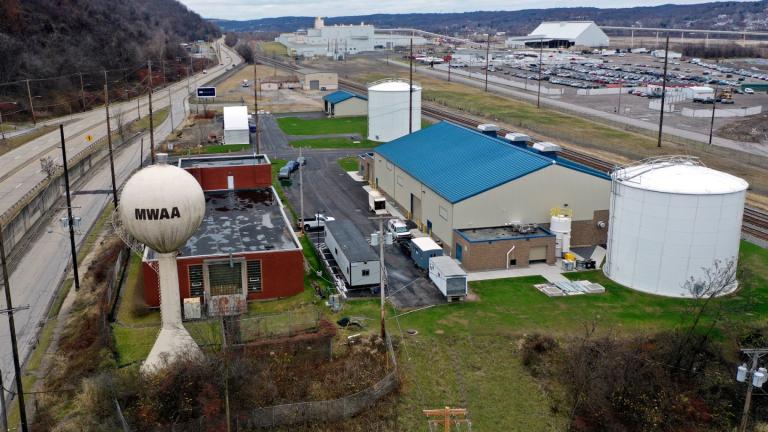
Attempts by private groups or individuals to get into a water provider’s network and take down or deface websites aren’t new. More recently, however, attackers haven’t just gone after websites, they’ve targeted utilities’ operations instead.
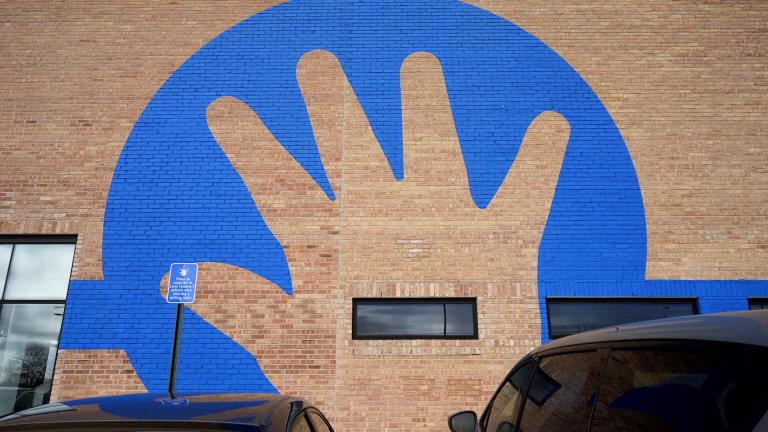
Officials had previously blamed the attack on a “known criminal threat actor” and said the hospital shut down its own systems for phone, email and medical records once the breach was discovered on Jan. 31.
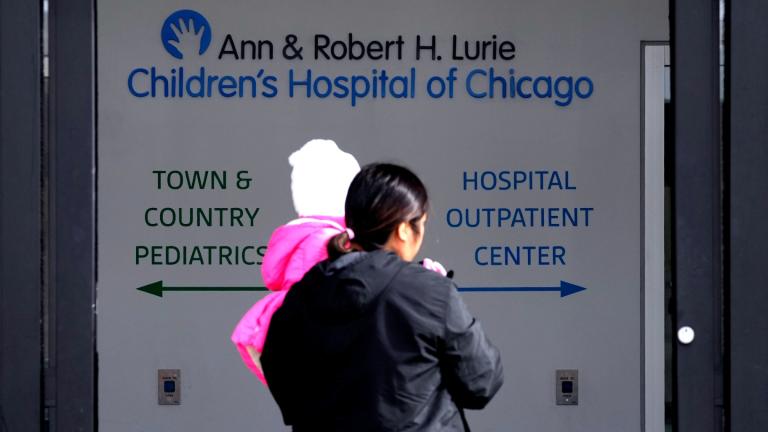
Hospitals have shifted their use of online technology to support everything from telehealth to medical devices to patient records. Today, they are a favorite target for internet thieves who hold systems’ data and networks hostage for hefty ransoms.
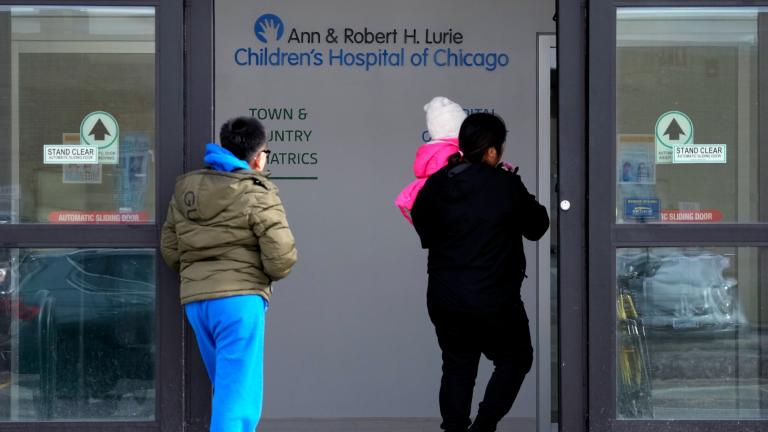
Officials at Lurie Children’s Hospital said Thursday that they are still working with the FBI and other law enforcement but told reporters that a “known criminal threat actor” had accessed the hospital’s network.

It’s been seven days since Lurie Children’s Hospital first cited a “network outage that impacts internet and phone service.” The systems have been offline since Jan. 31, and there’s no telling when they’ll be back up and running.

Hacking is a growing concern for hospitals and health institutions. Cyberattacks on hospitals and health systems more than doubled from 2016 to 2021, according to a JAMA report.
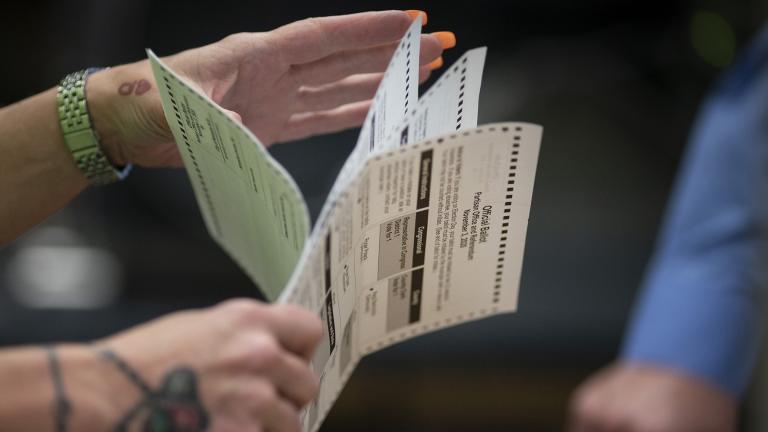
Congress provided hundreds of millions of dollars to shore up the nation’s election system against cyberattacks and other threats, but roughly two-thirds of the money remained unspent just weeks before last year’s presidential election.

The Biden administration is facing new pressure to resolve a mystery that has vexed its predecessors: Is an adversary using a microwave or radio wave weapon to attack the brains of U.S. diplomats, spies and military personnel?
Some parts of the country still face gas shortages related to the Colonial Pipeline ransomware attack, and the incident has drawn attention to the growing threat cyberattacks pose in the U.S. and around the world. We discuss the increasing threat and what to do about it.
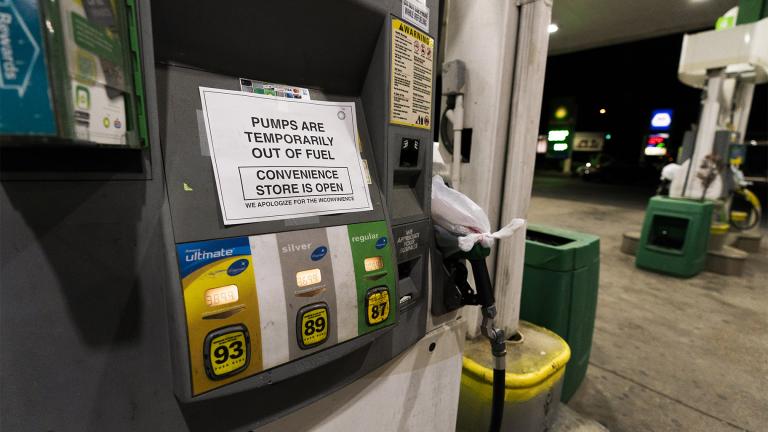
The operator of the nation’s largest gasoline pipeline — hit on May 7 by a ransomware attack — announced Saturday that it has resumed “normal operations,” delivering fuel to its markets, including a large swath of the East Coast.
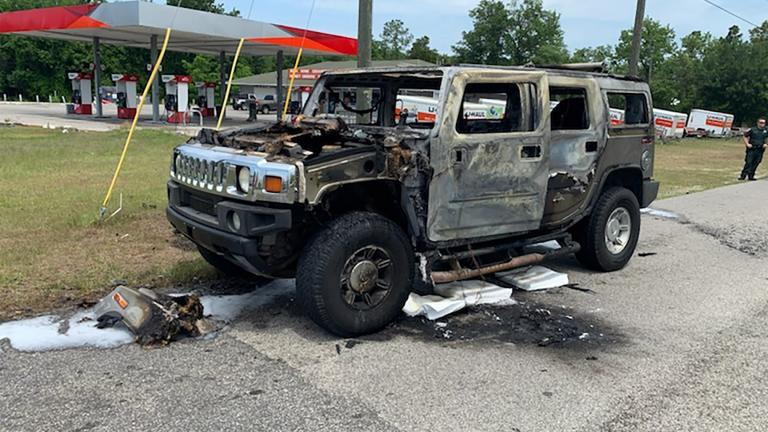
Gas shortages at the pumps have spread from the South, all but emptying stations in Washington, D.C., following a ransomware cyberattack that forced a shutdown of the nation’s largest gasoline pipeline. Though the pipeline operator paid a ransom, restoring service was taking time.
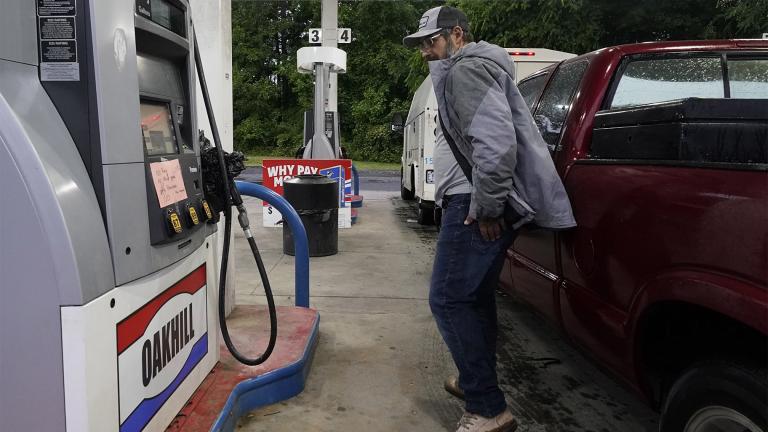
There is no gasoline shortage, according to government officials and energy analysts. But there is a problem getting the fuel from refineries on the Gulf Coast to the states that need it, and officials are scrambling to find alternate routes to deliver that fuel.
Trending
Who Is Running, or Thinking About Running, to Become Chicago’s Next Mayor

Suspend CPD Officers, Sergeant Repeatedly Accused of Making Improper Traffic Stops for a Combined 330 Days: Police Brass

Johnson’s Debt Refinancing Plan Results in Just Half of What He Promised, Forcing Officials to Scramble to Fill Budget Gap

Hilario Dominguez, Candidate for CPS Board President, Defends Conduct as Watchdog Reopens Probe Into Inappropriate Behavior Allegations

No Tax Hikes or Layoffs Needed to Close Cook County’s $550M Gap Thanks to ‘Budget Magic’: Preckwinkle

Sign up for the WTTW News newsletter