

Taxes
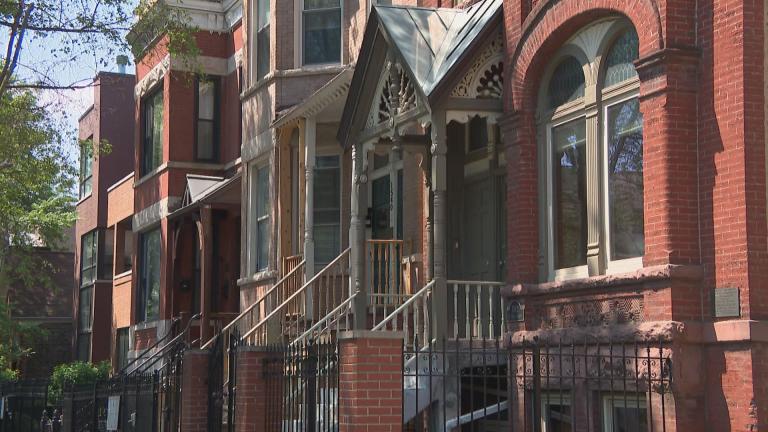
The most recent reassessment of the value of Chicago properties resulted in a “record-setting” 16.7% increase in the median homeowner’s bill, according to a new analysis from Cook County Treasurer Maria Pappas’ research team.
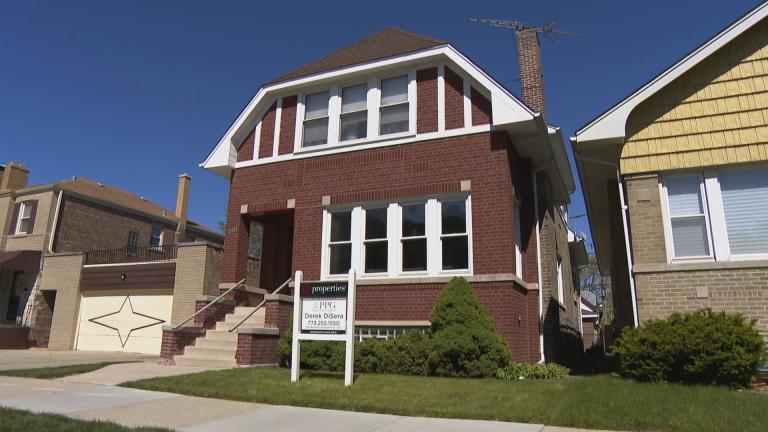
Second installment property tax bills are typically released in early July and due in early August, but have been delayed for nearly four months by an overhaul of the county’s property tax system plagued with problems.


Mayor Brandon Johnson is calling for more taxes on big companies in his 2026 budget proposal. Under the mayor’s plan, businesses in Chicago with more than 100 employees would have to pay $21 for each employee every month.
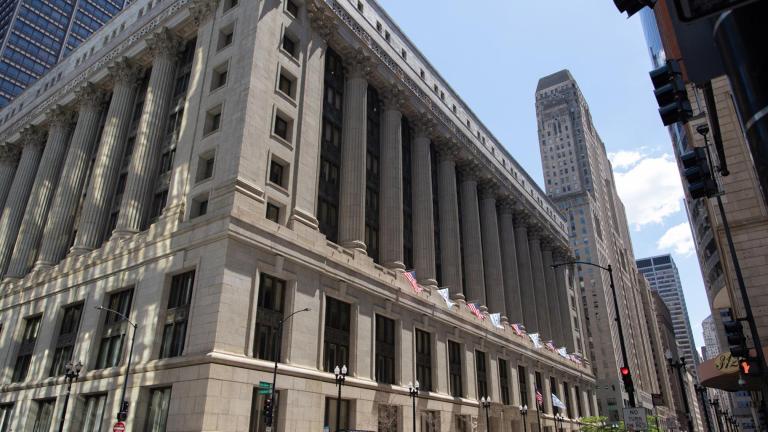
Budget negotiations between members of the Chicago City Council have accelerated following Mayor Brandon Johnson’s initial proposal, which he unveiled last week.
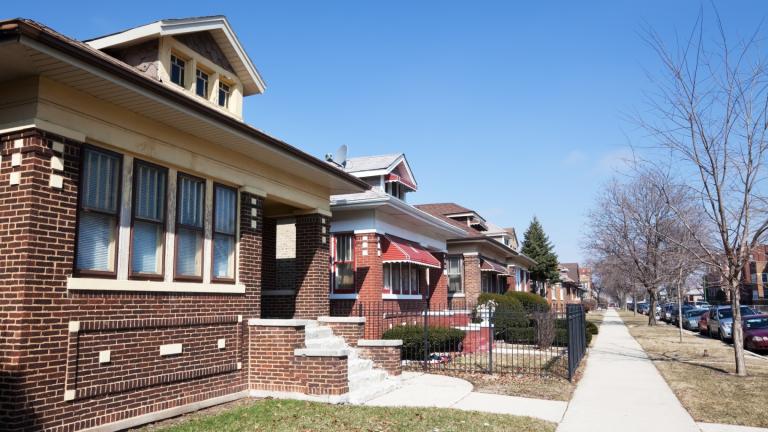
A $15 million homeowner relief fund program aims to assist Cook County homeowners who have experienced a substantial increase in property taxes in recent years, officials announced during a Monday news conference.
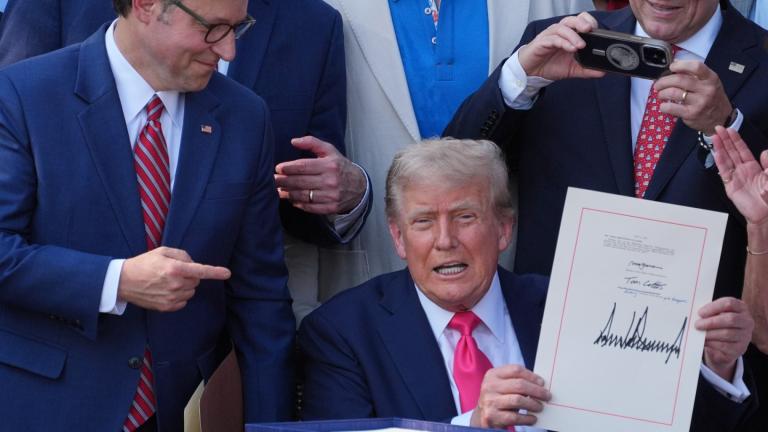
President Donald Trump’s sweeping tax and spending bill is now law, after days of heated debate and close votes in Congress. Democrats say the cuts will impact low-income Americans.

At nearly 900 pages, the legislation is a sprawling collection of tax breaks, spending cuts and other Republican priorities, including new money for national defense and deportations.
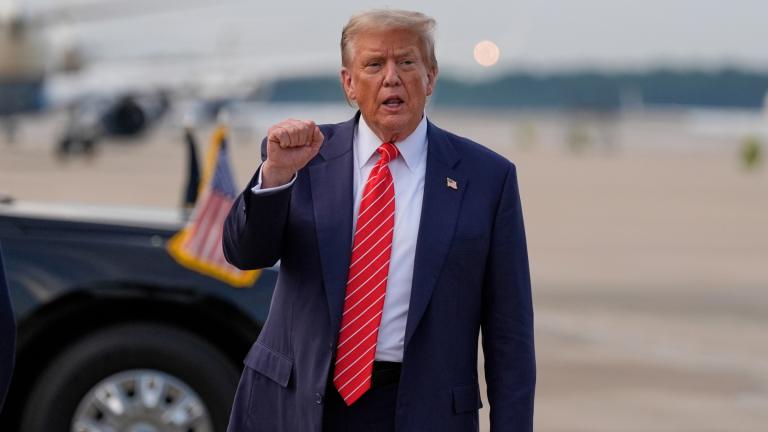
The Senate parliamentarian has advised that a Medicaid provider tax overhaul central to President Donald Trump’s tax cut and spending bill does not adhere to the chamber’s procedural rules, delivering a crucial blow as Republicans rush to finish the package this week.

The $55.1 billion spending plan set to take effect July 1 is the largest in state history and is supported by $55.3 billion in anticipated revenue, including more than $700 million in new taxes and more than $500 million in one-time revenues.
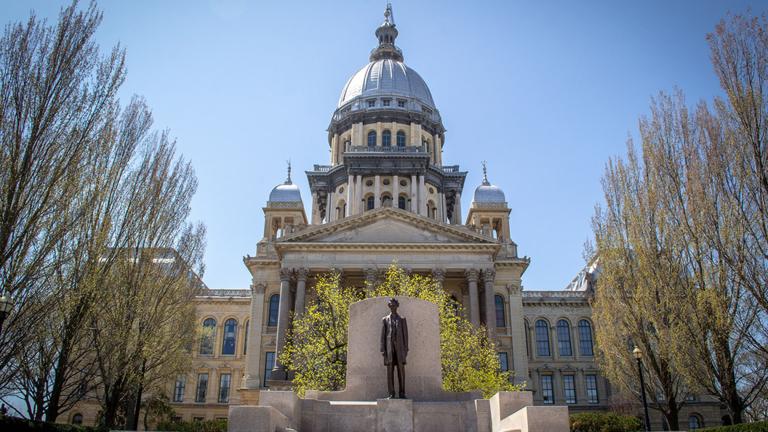
Illinois lawmakers worked right up to the May 31 deadline to pass a $55.2 billion spending plan for the upcoming fiscal year. State Democrats say the plan accounts for an uncertain future, while Republicans say more cuts are needed to address what’s ahead.

Spending plan raises over $1B in revenue; income, sales taxes not affected
The $55.2 billion spending plan is supported by $55.3 billion of revenue, including just over $1 billion in new taxes and revenue changes. The four bills making up the budget and capital spending plan were part of a flurry of thousands of pages of legislation that went from introduction to passage in the final 48 hours of the legislative session.
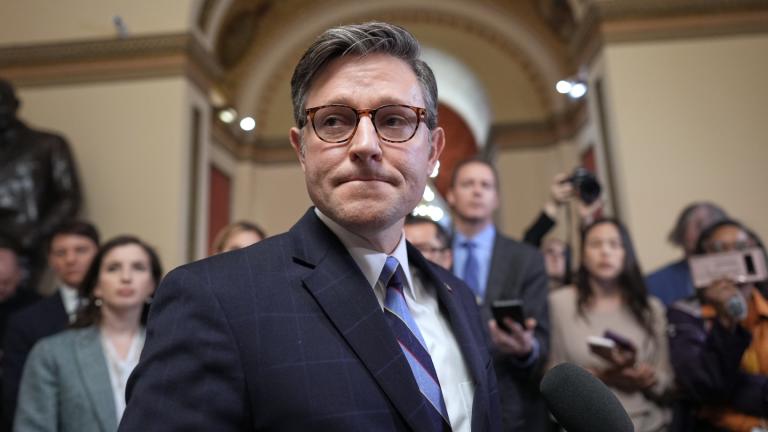
House committees labored for months on the bill, which underwent late changes to win over holdouts in the Republican conference. It exceeds 1,000 pages and is titled the “One Big Beautiful Bill Act,” a nod to Trump himself.
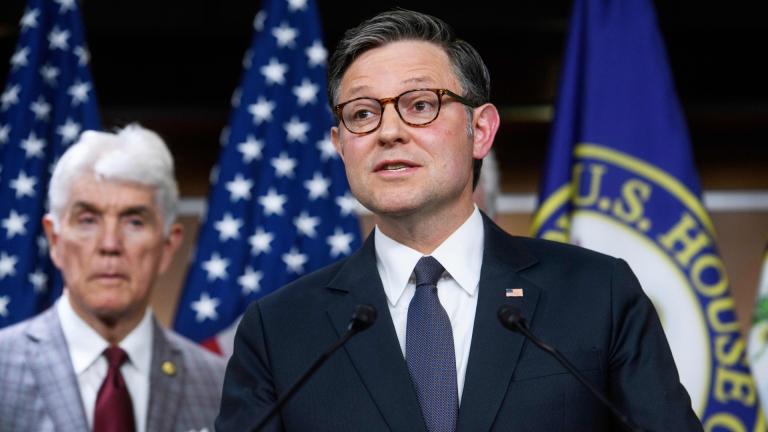
The hard-right lawmakers are insisting on steeper spending cuts to Medicaid and the Biden-era green energy tax breaks, among other changes, before they will give their support to President Donald Trump’s “beautiful” bill. They warn the tax cuts alone would pile onto the nation’s $36 trillion debt.
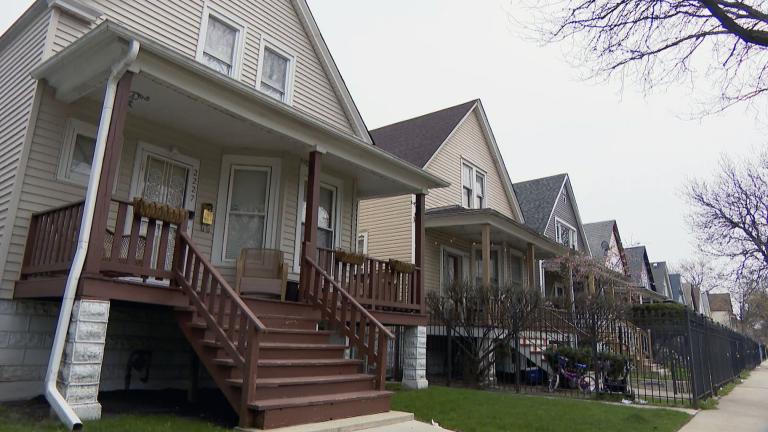
That massive growth funneled $5.84 billion into the special districts designed to spur redevelopment and eradicate blight, according to five years of reports on TIF districts published by the Cook County Clerk’s Office examined by WTTW News.
Tax-increment financing wasn’t invented in Chicago, but former Mayor Richard M. Daley perfected it as he worked to transform Mud City into a gleaming metropolis.

Black and Latino homeowners were forced to cover “a disproportionate share of the burden,” according to the latest analysis from Cook County Treasurer Maria Pappas’ research team.
Trending
Who Is Running, or Thinking About Running, to Become Chicago’s Next Mayor

Suspend CPD Officers, Sergeant Repeatedly Accused of Making Improper Traffic Stops for a Combined 330 Days: Police Brass

Johnson’s Debt Refinancing Plan Results in Just Half of What He Promised, Forcing Officials to Scramble to Fill Budget Gap

Woman Charged With Murdering 7-Year-Old Girl Threatened to Stab Store Worker Minutes Earlier: Prosecutors

Chicago Spent $224.4M on Police Overtime in 9 Months, 12% More Than Its Annual Overtime Budget: Watchdog

Sign up for the WTTW News newsletter