

Journalism
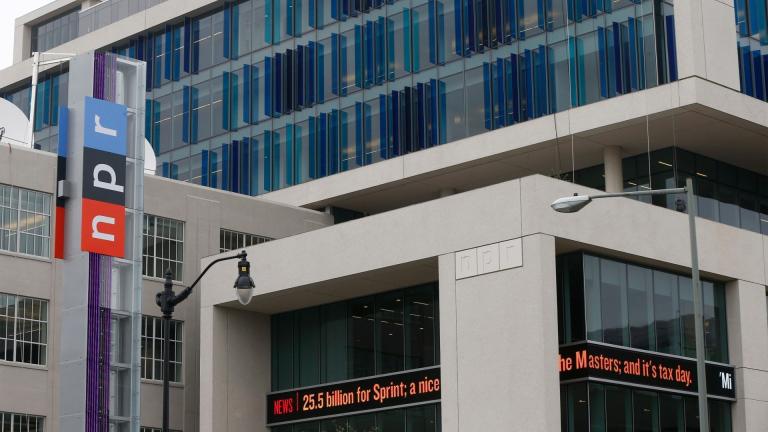
The lawsuit, filed in federal court in Washington by NPR, Colorado Public Radio, Aspen Public Radio and KUTE, Inc. argues that Trump’s executive order to slash public subsidies to PBS and NPR violates the First Amendment.
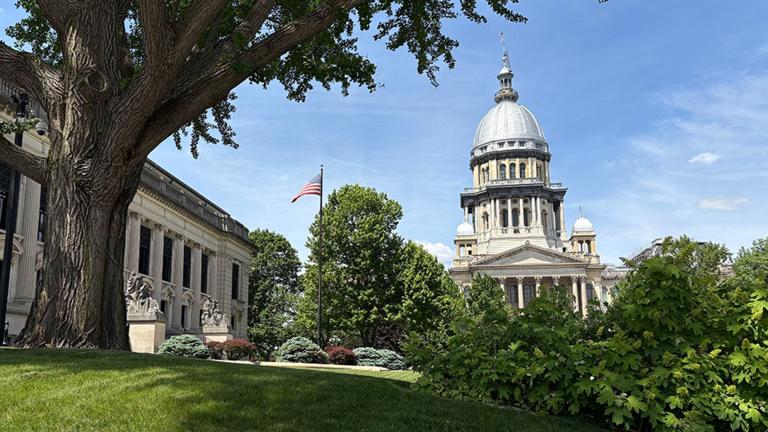
Illinois lawmakers are seeking to extend lawsuit protections to regular news reports following a recent ruling by the state’s Supreme Court that allowed a defamation suit against the Chicago Sun-Times to progress.

A new book that alleges White House aides covered up Biden’s physical and mental decline has put the questions about Biden’s health back in the spotlight, months after former Vice President Kamala Harris lost to President Donald Trump.
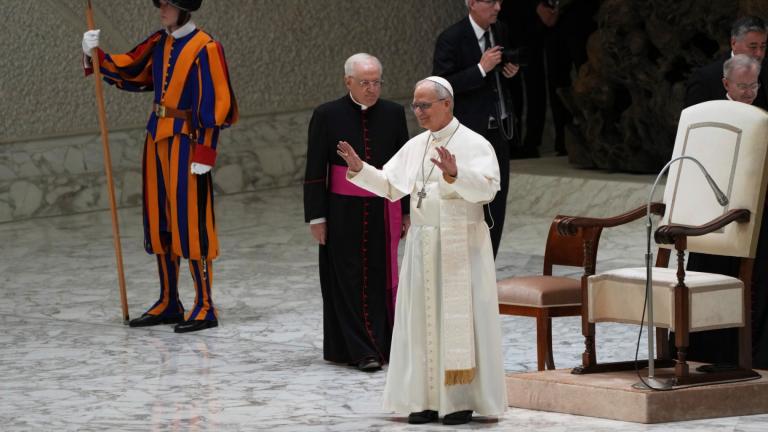
Leo received a standing ovation as he entered the Vatican auditorium for his first meeting with representatives of the general public. The 69-year-old Augustinian missionary, elected in a 24-hour conclave last week, called for journalists to use words for peace, to reject war and to give voice to the voiceless.
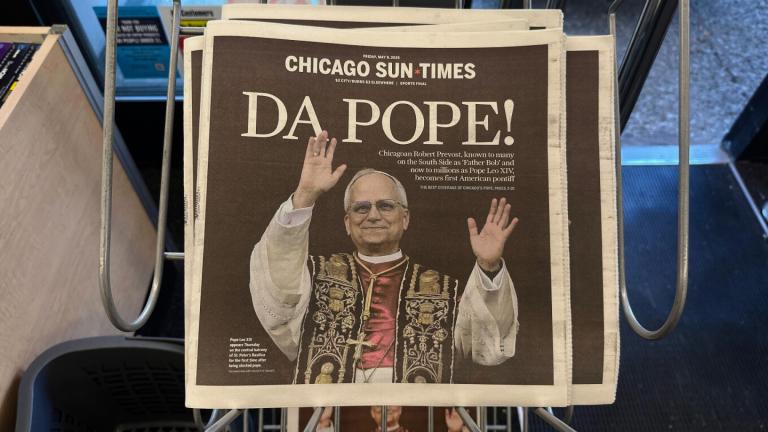
In the breathless day since Pope Leo XIV’s election as the first American pontiff, the memes, doctored images and tongue-in-cheek references have piled up deeper than Chicago’s pizza and more loaded than its hot dog, seemingly irresistible to comics and commoners alike.

Students from Northwestern University’s Medill School of Journalism traveled to Buenos Aires, Argentina, in early 2025. Once in Argentina, teams of reporters covered a wide array of issues facing Argentinians and found that many of the challenges in the South American country mirror those in the United States.
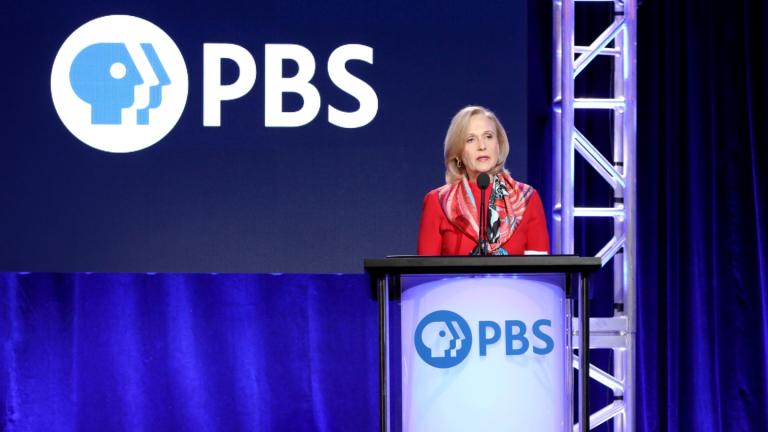
Public Broadcasting Service CEO Paula Kerger said the Republican president’s order “threatens our ability to serve the American public with educational programming, as we have for the past 50-plus years.”

The top producer at “60 Minutes” said Tuesday that he is quitting the show, saying that it has become clear that he would no longer be able to run it as he has in the past.
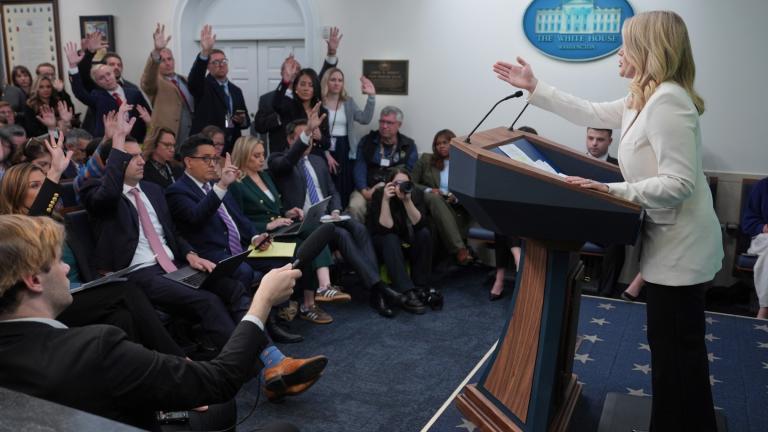
U.S. District Judge Trevor N. McFadden, an appointee of President Donald Trump, ruled that the government can’t retaliate against the AP’s decision not to follow Trump’s executive order to rename the Gulf of Mexico.

Unsourced “headlines” about a potential “90-day pause in tariffs” sent markets into a state of turbulence Monday morning as investors sought any indication of a reprieve from the Trump administration’s new levies. The problem: It wasn’t true.


Pulitzer Prize-winning reporter Ronan Farrow has uncovered stories of sexual harassment and assault, chronicled the decline of America’s soft power and explored how powerful people try to track and manipulate journalists.

Sen. Roger Wicker, the Republican chair of the committee, and Sen. Jack Reed, the top Democrat, signed onto a letter to the acting inspector general at the Department of Defense for an inquiry into the potential “use of unclassified networks to discuss sensitive and classified information, as well as the sharing of such information with those who do not have proper clearance and need to know.”

The hearing, titled “Anti-American Airwaves: Holding the heads of NPR and PBS Accountable,” featured testimony from NPR CEO Katherine Maher and PBS CEO Paula Kerger, as well as a local station operator and a conservative critic of taxpayer-funded media.

The disclosure follows two intense days during which leaders of President Donald Trump’s intelligence and defense agencies have struggled to explain how details that current and former U.S. officials have said would have been classified wound up on an unclassified Signal chat that included Atlantic Editor-in-Chief Jeffrey Goldberg,

A magazine journalist’s account of being added to a group chat of U.S. national security officials coordinating plans for airstrikes has raised questions about how highly sensitive information is supposed to be handled.

Top national security officials for President Donald Trump, including his defense secretary, texted war plans for upcoming military strikes in Yemen to a group chat in a secure messaging app that included the editor-in-chief for The Atlantic.
Trending
Car Registered to Man Accused of Planning Mass Shooting Was at Hindu Temple He Targeted, Police Say
CPD Agrees to Fire 7 More Officers Who Lied to Get COVID-19 Relief Loans, CDOT Employees Also Targeted: Watchdog
Former Chicago Board of Ethics Deputy Director Should Be Fired After She Drove Drunk, Caused Crashes, Battered Bystander: Watchdog
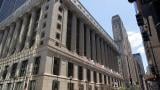
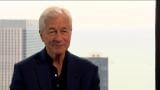
Jamie Dimon, CEO of JP Morgan Chase, on Chicago Investments, Competitive Cities and a Corporate Head Tax
Board President Candidate Hilario Dominguez Says CPS Watchdog Closed Investigation, No ‘Actionable Finding of Sexual Misconduct’

Sign up for the WTTW News newsletter