

Immigration
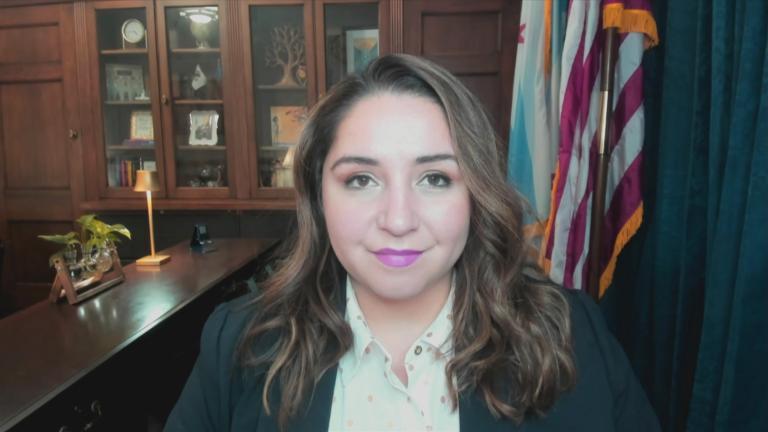

Rep. Delia Ramirez (D-Chicago), herself the daughter of Guatemalan immigrants, weighs in on the situation in Washington and efforts to address immigration.
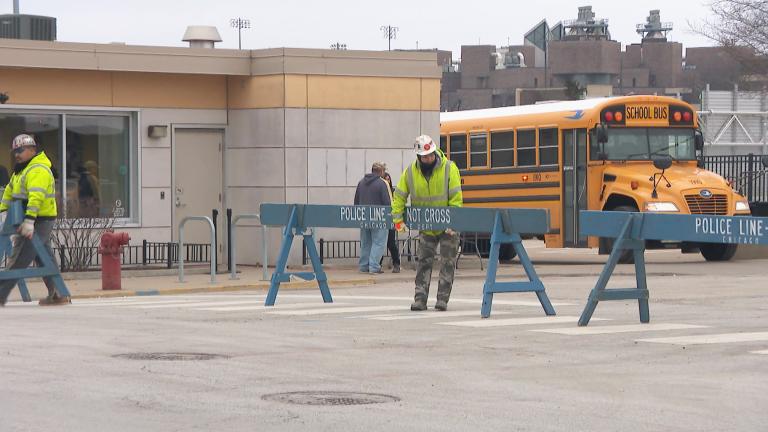
Mayor Brandon Johnson did not lift the requirement that migrants leave city-run shelters in 60 days — instead, the nearly 14,200 men, women and children in city shelters will have longer to find more permanent housing.
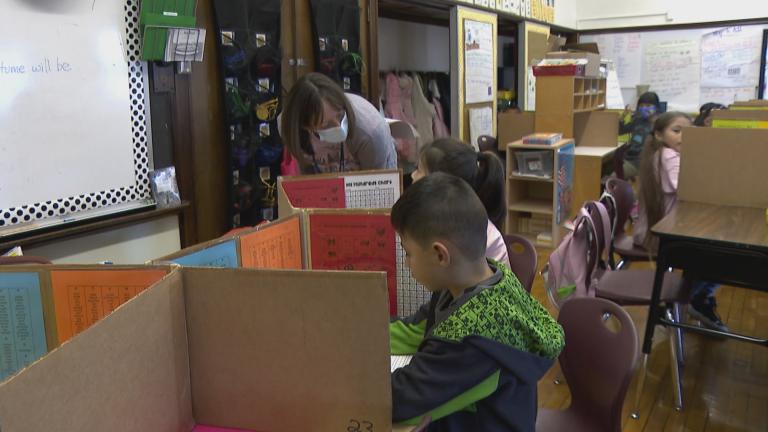
More than 5,000 English learners have enrolled in Chicago Public Schools over the course of the year, many of whom are the children of migrant families. The influx is shining a spotlight on the shortage of bilingual instructors and services at schools.
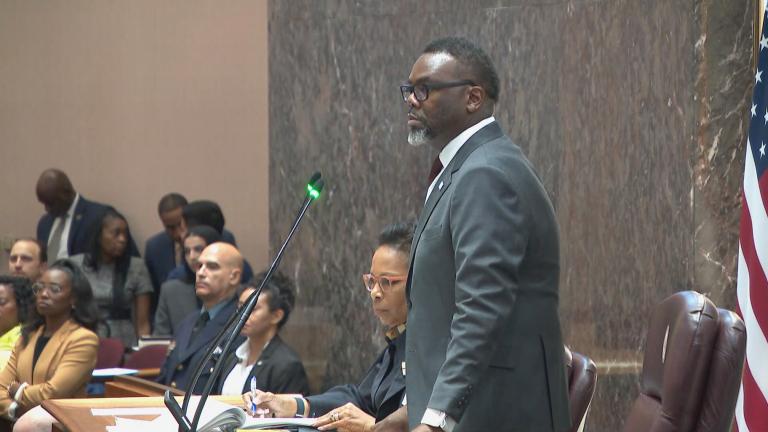
Mayor Brandon Johnson said state officials have not worked fast enough to help migrants move out of Chicago’s shelters into permanent homes, or fulfill promises to open 2,000 new shelter beds.
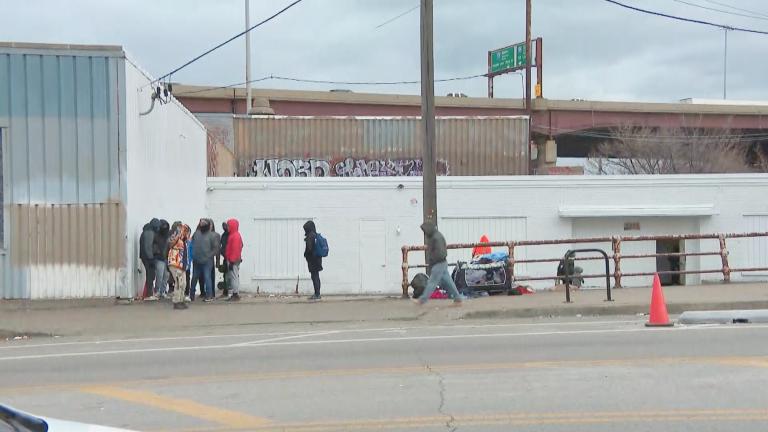
Gov. J.B. Pritzker said Monday he’s “deeply concerned” that Chicago is not going to add bed space, as the flow of nearly 35,000 asylum seekers who’ve come to the city since August 2022 shows no signs of abating.
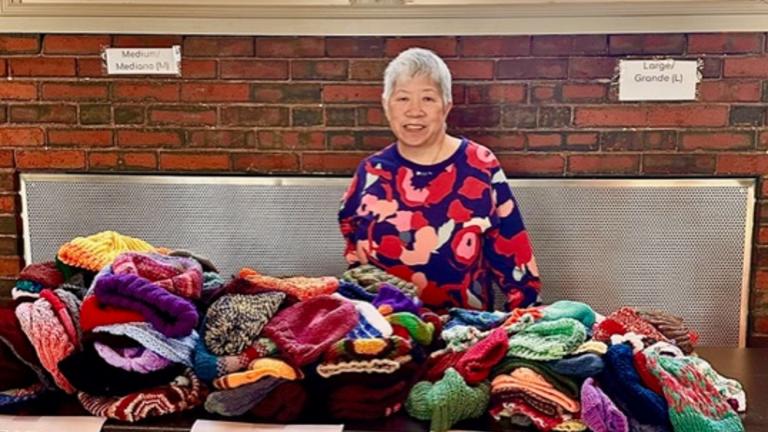
One Rogers Park resident is making it her mission to help migrants by giving them knitted and crocheted winter hats. She reached out to local and online crafting groups asking if others wanted to do the same.

Chicago rules require unscheduled one-way buses from outside the Chicago area to get advance approval from the city to drop people off. Violators can be fined $3,000 and have their vehicles impounded, the mandate says.
Mayor Brandon Johnson will not evict migrants from city shelters until at least Feb. 1, suspending the 60-day limit he imposed for the second time in less than a week, a city spokesperson said.
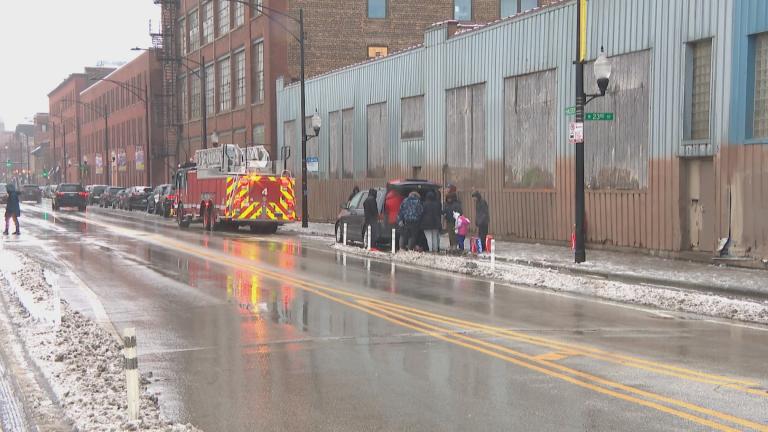
Mayor Brandon Johnson’s office responded to a Tuesday WTTW News report that members of his administration were made aware of concerns about unsanitary conditions at a migrant shelter in Pilsen weeks before a 5-year-old-boy fell ill at the shelter and later died at a hospital.
Illinois lawmakers return to Springfield with migrants top of mind. Bad weather prompts Chicago Mayor Brandon Johnson to suspend his policy evicting migrants from city shelters after 60 days. And a plea from Illinois Gov. J.B. Pritzker to Texas Gov. Greg Abbott.
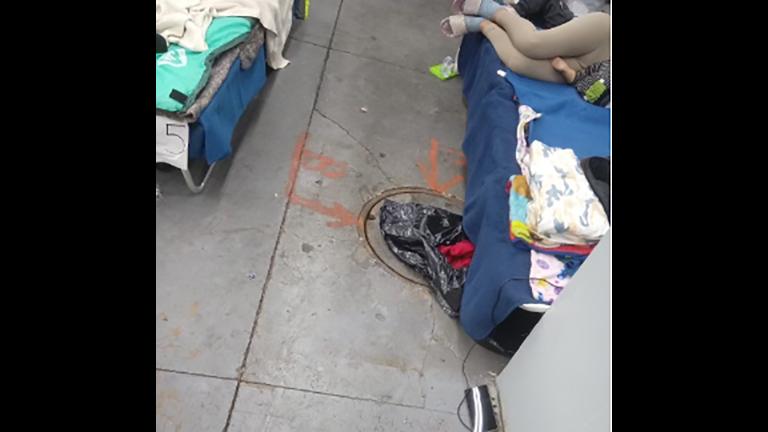
Emails from late October exclusively obtained by WTTW News shine new light on the timeline of when Mayor Brandon Johnson and his administration were made aware of conditions at a migrant shelter in Pilsen and what exactly those conditions were.
“The next few days are a threat to the families and children you are sending here” because of the bitterly cold weather, Gov. J.B. Pritzker told Texas Gov. Greg Abbott.
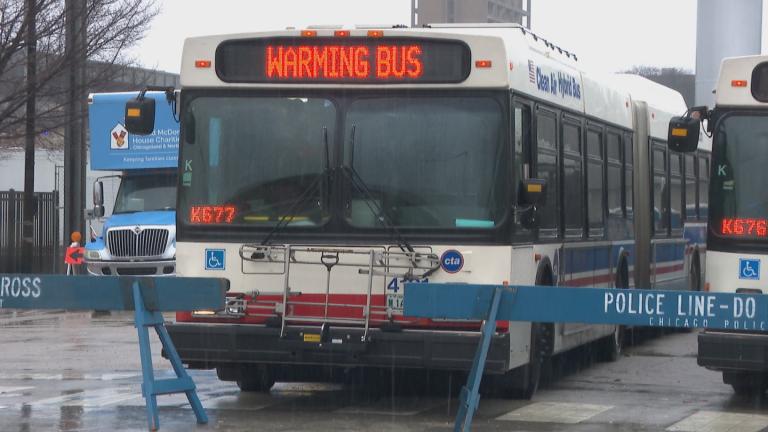
Of the more than 30,000 migrants that have been sent to Chicago from the southern border, more than 200 were living at the city’s landing zone in the West Loop as of Thursday — using CTA buses as temporary shelters.
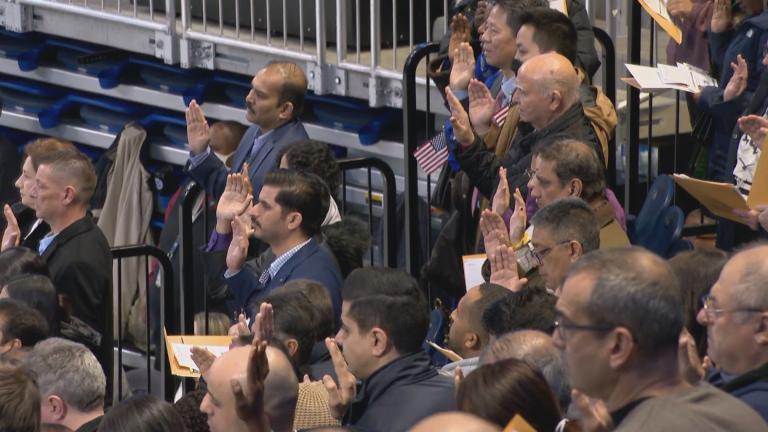
Some Republican presidential candidates said they want to do away with birthright citizenship for the children of immigrants living in the U.S. unlawfully. Right now, anyone born in the United States automatically becomes a U.S. citizen.
The GoFundMe campaign organized on behalf of the parents of Jean Carlos Martinez Rivero has raised more than $6,000 out of its $25,000 goal as of Thursday afternoon.
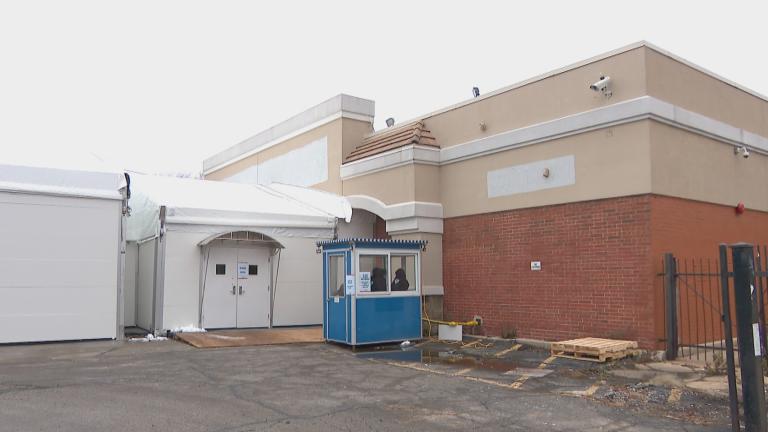
Illinois officials said they don’t know when or where migrants will arrive, nor how many — making it difficult to coordinate care, particularly given that many asylum seekers don’t have coats and clothing appropriate for Chicago’s winter weather.
Trending
2026 Chicago Festival Guide

CPD Sergeant Who Led Botched Raid at Home of Anjanette Young Now Working as a Suburban Police Detective

Woman Charged With Fatally Stabbing 7-Year-Old Girl Walking in Chicago Saturday

Key City Panel Unanimously Agrees to Pay $260.8M to Resolve 16 Lawsuits Tied to Disgraced Ex-CPD Detective Reynaldo Guevara

Marimar Martinez Hopes New Lawsuit Could Spur Criminal Charges 1 Year After Border Patrol Agent Shot Her

Sign up for the WTTW News newsletter