

Immigration
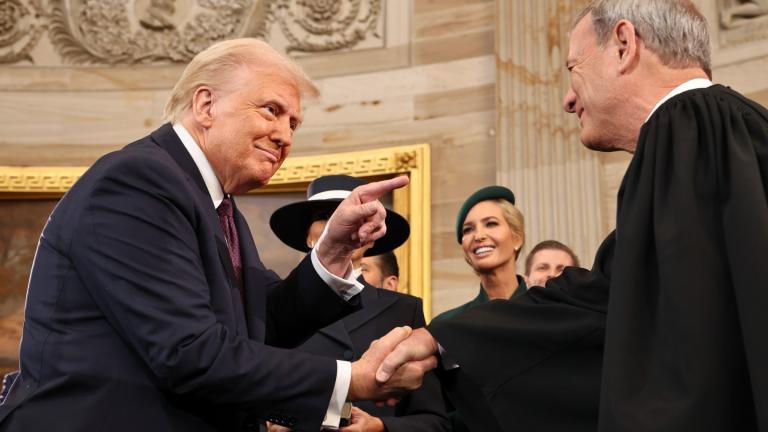
President Donald Trump will need the Supreme Court, with three justices he appointed, to enable the most aggressive of the many actions he has taken in just the first few weeks of his second White House term. But even a conservative majority with a robust view of presidential power might balk at some of what the president wants to do.


Undocumented immigrants account for 16% of America’s food supply chain, and the U.S. Department of Agriculture estimates that 42% of farm workers are lacking legal immigration status.
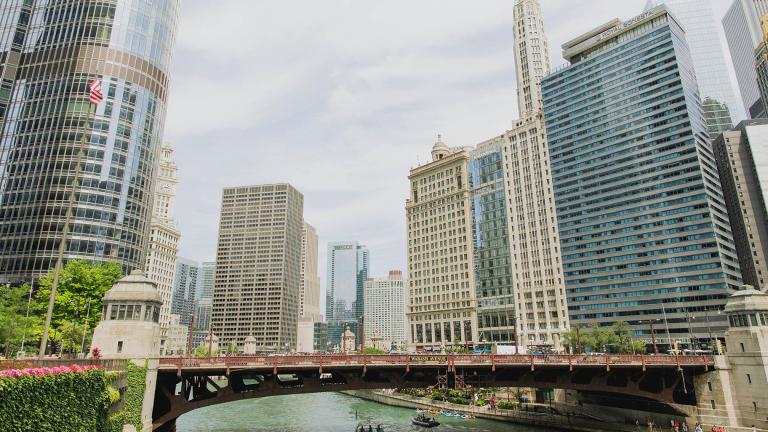
The lawsuit is the latest indication that the Trump administration, which is attempting to strip self-proclaimed sanctuary cities of all federal funding, will target Chicago directly.
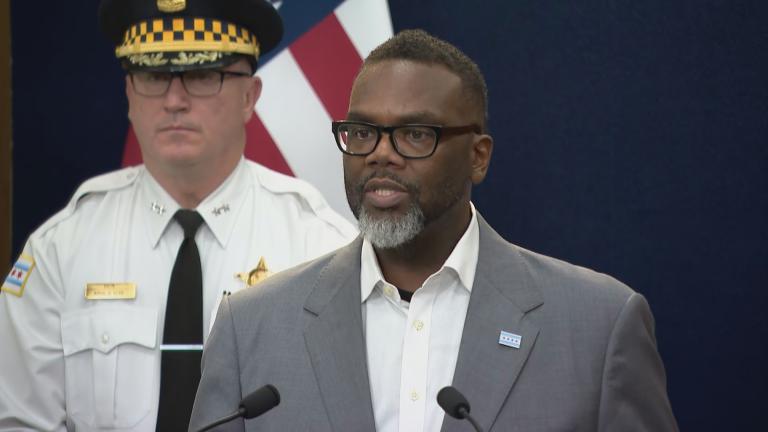
Mayor Brandon Johnson’s appearance is likely to represent a flashpoint in the ongoing battle with the GOP-controlled U.S House and the Trump administration, which is attempting to strip self-proclaimed sanctuary cities of all federal funding.
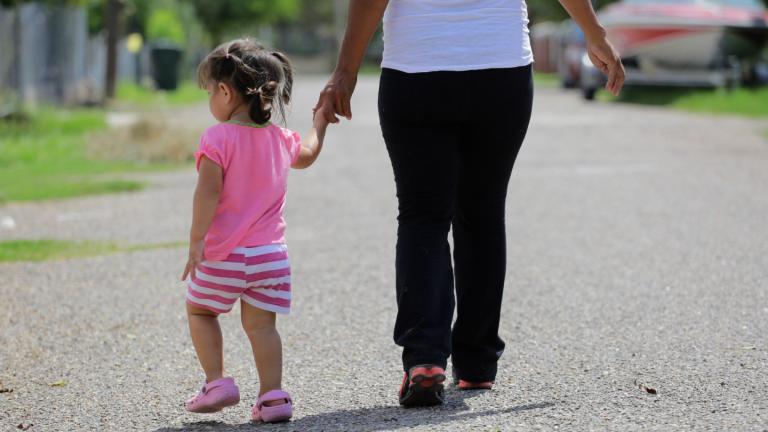
U.S. District Judge Deborah Boardman said no court in the country has endorsed the Trump administration’s interpretation of the Fourteenth Amendment. “This court will not be the first,” she said.
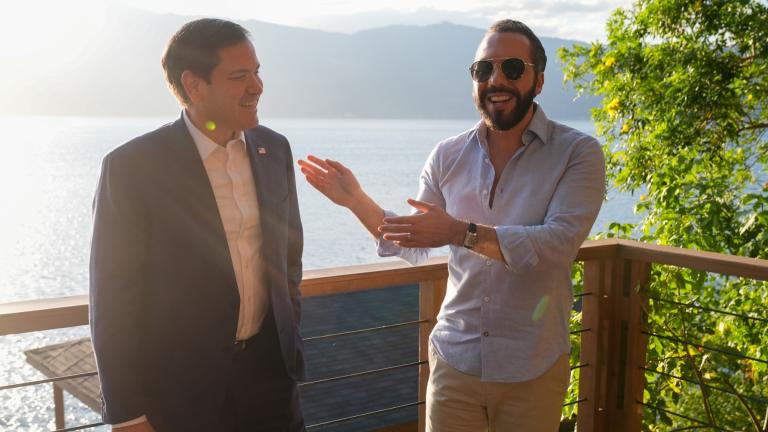
El Salvador President Nayin Bukele confirmed the offer in a post on X, saying El Salvador has “offered the United States of America the opportunity to outsource part of its prison system.”
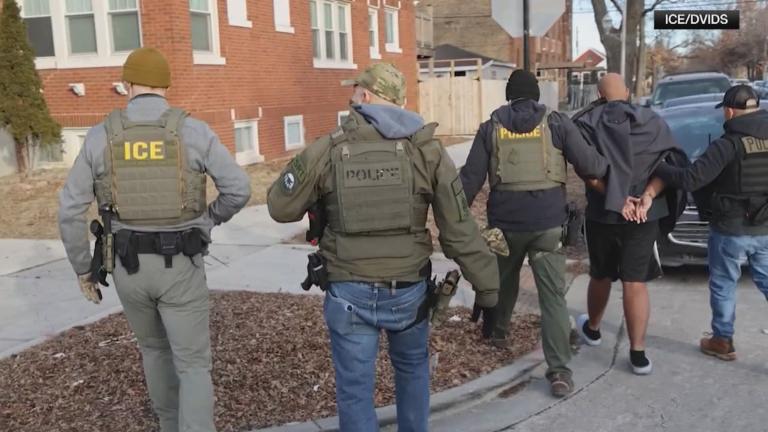
Increased immigration raids have been reported across the country. U.S. Immigration and Customs Enforcement, also known as ICE, confirmed nearly 1,200 arrests on Sunday. Approximately 100 people have been detained by federal officials in the Chicago area, according to the Chicago Police Department.
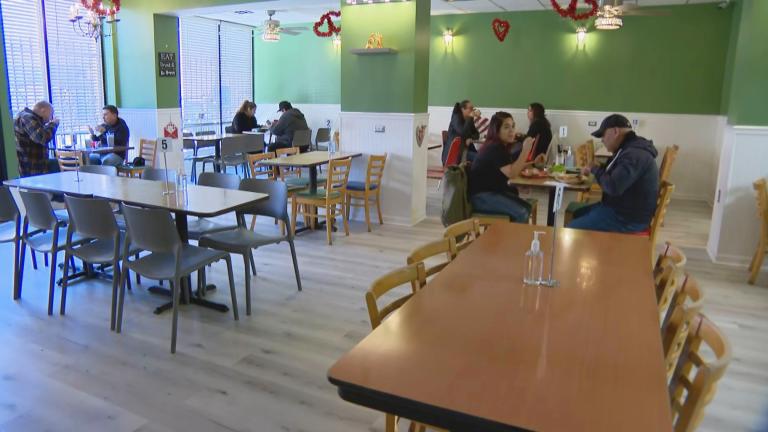
Latino neighborhoods in Chicago are on edge amid increased reports of immigration raids by federal law enforcement agents.

“Most people don’t even know about it. We have 30,000 beds in Guantanamo to detain the worst criminal illegal aliens threatening the American people. This will double our capacity immediately,” President Donald Trump said from the White House.
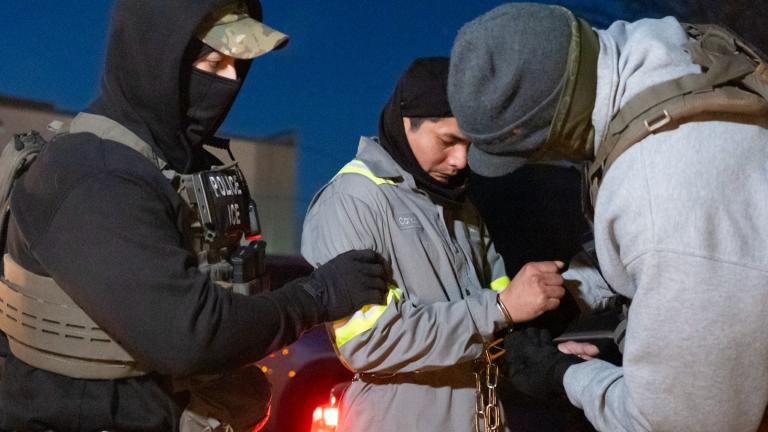
Much of what Trump can do will boil down to money. Congress is expected to consider additional support soon. Trump may use emergency powers to tap the Defense Department, as he did for a border wall in his first term.
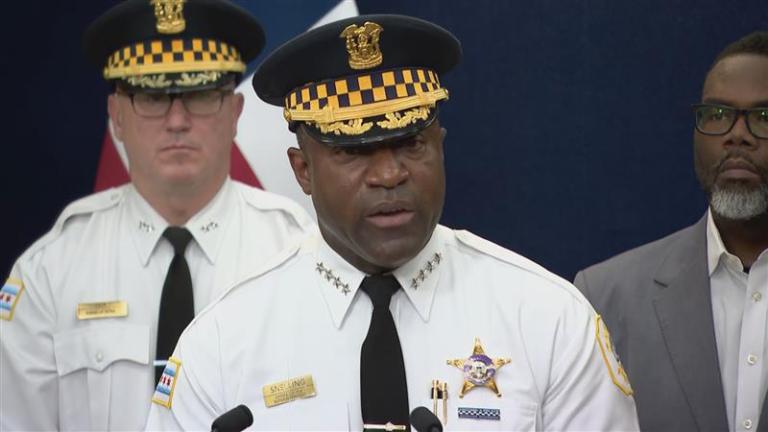
Despite the top cop’s attempt to reassure the tens of thousands of undocumented immigrants and their relatives who live in Chicago, Trump administration officials have repeatedly vowed to deport everyone who is in the United States without authorization.
If Mayor Brandon Johnson refuses to appear as requested, it could open a new front in the ongoing battle with the GOP-controlled U.S House and the Trump administration, which is attempting to strip self-proclaimed sanctuary cities of all federal funding.
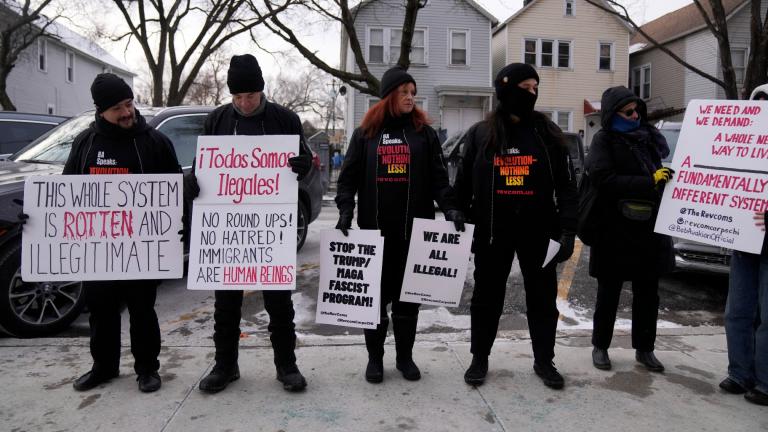
Few details of the operation were immediately made public, including the number of arrests. But the sheer number of federal agencies involved showed President Donald Trump’s willingness to use federal law enforcement beyond the Department of Homeland Security to carry out his long-promised mass deportations.
A statement from the Secret Service said the agents were investigating a threat against an official they are charged with protecting.
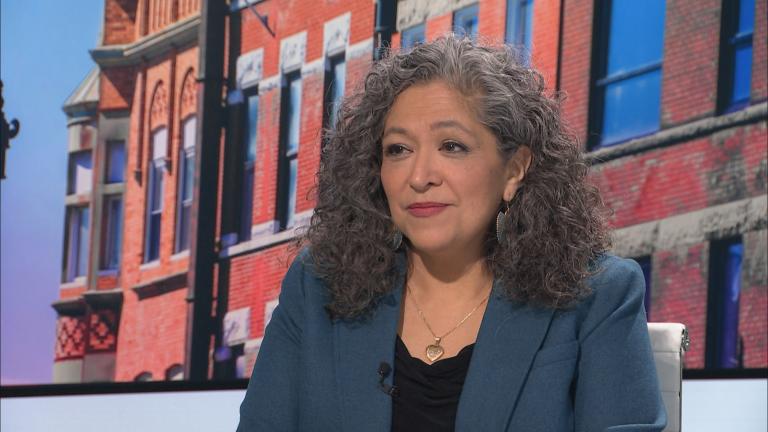
Chicago’s immigrant communities are preparing for the worst amid President Donald Trump’s promises of mass deportation for undocumented immigrants.

The app is designed to provide resources and to alert relatives, lawyers and officials at the nearest consulate when someone is being detained or deported.
Trending
2026 Chicago Festival Guide

CPD Sergeant Who Led Botched Raid at Home of Anjanette Young Now Working as a Suburban Police Detective

Woman Charged With Fatally Stabbing 7-Year-Old Girl Walking in Chicago Saturday

Key City Panel Unanimously Agrees to Pay $260.8M to Resolve 16 Lawsuits Tied to Disgraced Ex-CPD Detective Reynaldo Guevara

Marimar Martinez Hopes New Lawsuit Could Spur Criminal Charges 1 Year After Border Patrol Agent Shot Her

Sign up for the WTTW News newsletter