

General Assembly
Child welfare experts have long touted the benefits of foster children staying with kin. Advocates say those arrangements offer children more stability, decrease the trauma they experience, improve their mental health and reduce the number of times the child is moved from home to home.
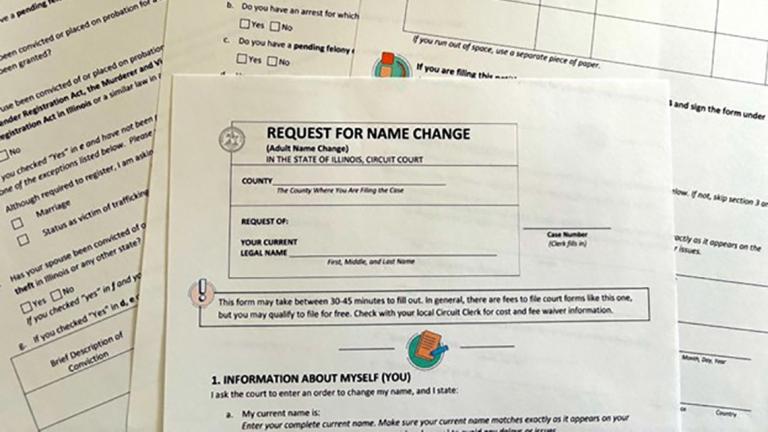
The measure must clear the full Senate in the first week of January to reach Gov. J.B. Pritzker’s desk, otherwise it must go through the entire legislative process again after a new General Assembly convenes Jan. 8.

Illinois has nearly 300 new laws taking effect on Jan. 1, 2025, covering everything from specialty plates for motorcycles to the creation of a task force on water quality.
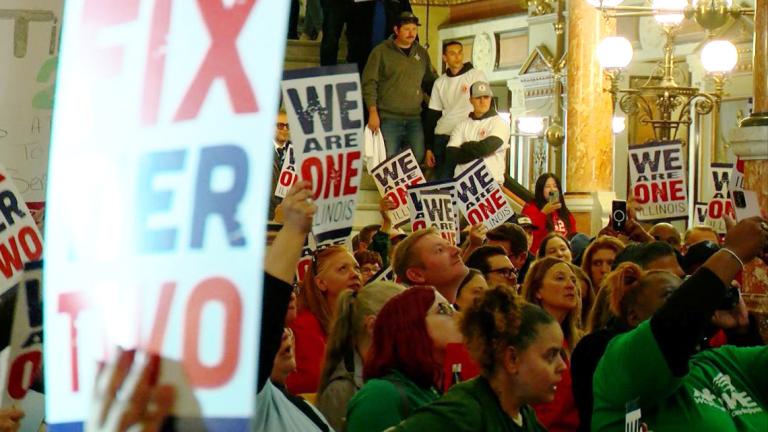
Changes that would make Illinois pension systems compliant with Social Security by improving benefits for government employees hired since 2011 could be on the table when lawmakers return to Springfield in January.
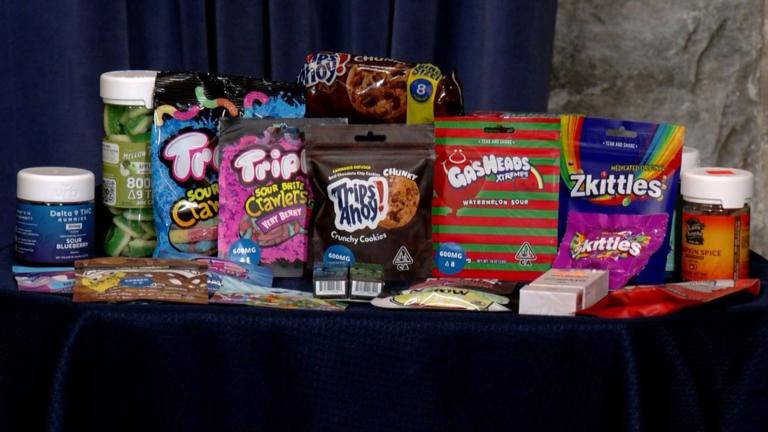
Illinois lawmakers passed legislation in 2018 to allow the commercial production of hemp, the same year Congress legalized hemp nationwide through the 2018 Farm Bill.
No state is immune from the negative effects of an economic downturn, but Illinois is more prepared today than it was for the Great Recession of 2007-2009 or the COVID-19 recession of 2020, according to a new report from the Illinois Economic Policy Institute and University of Illinois Urbana-Champaign’s Project for Middle Class Renewal.

The Illinois Flag Commission chose the 10 finalists from nearly 5,000 submissions in a contest that closed in October. The fate of Illinois’ official banner will ultimately be up to lawmakers and the governor.
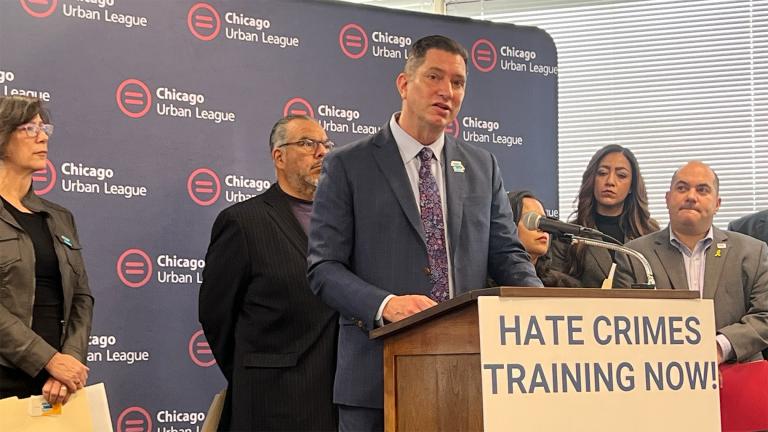
The Illinois Senate last spring passed a proposal to require the Illinois Law Enforcement Training Standards Board to develop or approve a hate crimes training program, which would become part of police officers’ introductory and continuing mandatory education. The measure did not advance.

The November ballot included a referendum asking some downstate residents whether they support exploring how to break away from Illinois and form their own state. Seven counties were added to the growing list, signaling their dissatisfaction with what’s happening in Springfield and Chicago.
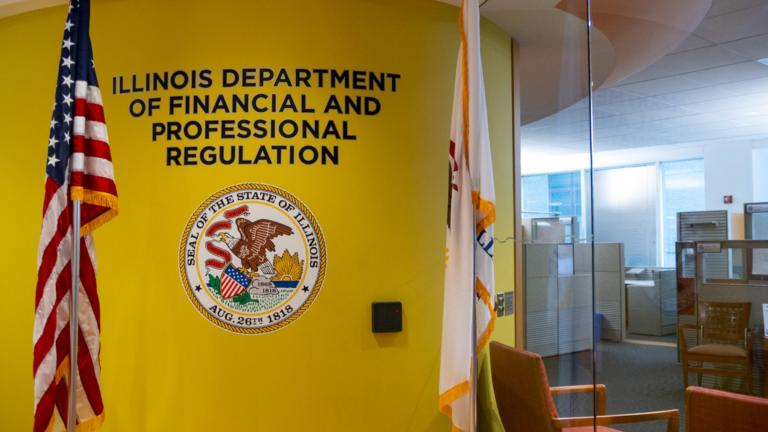
The first professions to be licensed under the new system are clinical psychologists, music therapists and nail technicians.

A legislative committee and the Illinois Department of Agriculture agreed recently to delay finalizing new regulations governing hemp production amid an outcry of protests from small, independent producers.
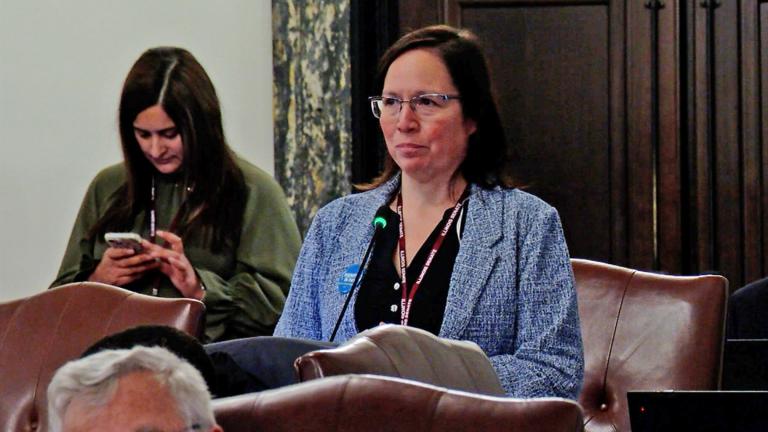
“It is time to treat people with developmental disabilities the same and have them be paid what they’re worth, which is what we pay everybody else,” state Sen. Cristina Castro told an Illinois Senate committee.
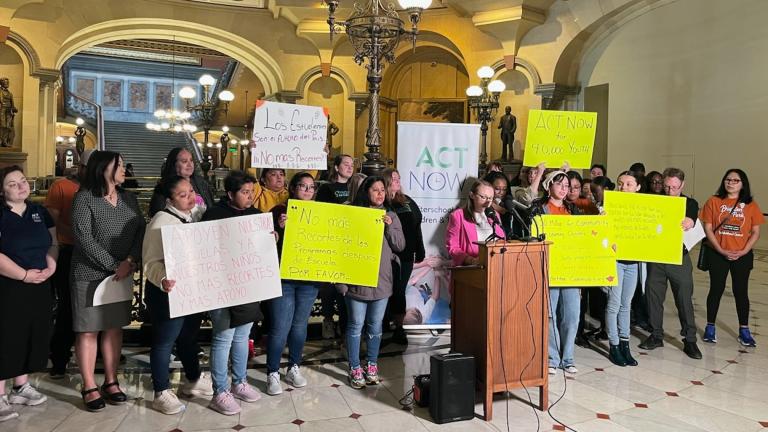
Illinois lawmakers previously approved $50 million for after-school and summer programs, but that funding hasn’t reached schools yet. This delay leaves Chicago Public Schools and local organizations facing difficult budget cuts.
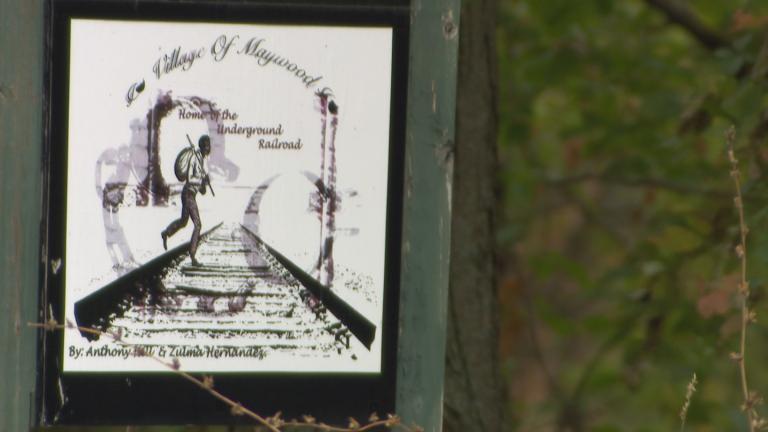
“Too many in Illinois believe we need to travel to the East Coast to visit locations on the Underground Railroad, unaware of the enormous activity that took place in their own backyards here,” task force member and Tazewell County Clerk John Ackerman said.

Illinois public workers who began their positions before 2011 are in Tier 1, which offers better benefits. Those hired after Jan. 1, 2011, are in Tier 2. They have to work longer and upon retirement receive a smaller payout.
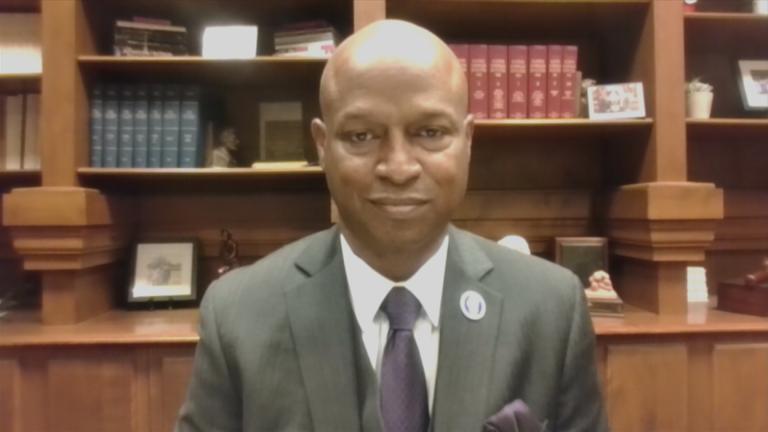
Democratic leaders — who kept their veto-proof majorities in both the state House and state Senate — are discussing what, if any, actions Illinois may take to “shore up” protections ahead of a second Trump presidency.
Trending
2026 Chicago Festival Guide

CPD Sergeant Who Led Botched Raid at Home of Anjanette Young Now Working as a Suburban Police Detective

Woman Charged With Fatally Stabbing 7-Year-Old Girl Walking in Chicago Saturday

Key City Panel Unanimously Agrees to Pay $260.8M to Resolve 16 Lawsuits Tied to Disgraced Ex-CPD Detective Reynaldo Guevara

Marimar Martinez Hopes New Lawsuit Could Spur Criminal Charges 1 Year After Border Patrol Agent Shot Her

Sign up for the WTTW News newsletter