

General Assembly

The $55.1 billion spending plan set to take effect July 1 is the largest in state history and is supported by $55.3 billion in anticipated revenue, including more than $700 million in new taxes and more than $500 million in one-time revenues.

Kwame Raoul’s office has joined lawsuits challenging actions of the Trump administration as well as defending the state against legal actions the administration has filed against Illinois.

Hippotherapy is a type of physical, occupational and speech therapy where the movement of a horse is used to treat a patient’s specific disability or disorder.
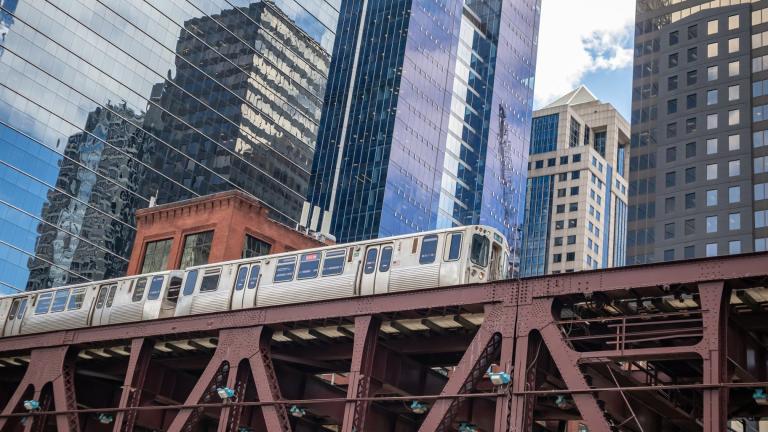
Chicago Transit Authority Acting President Nora Leerhsen said the agency has entered a “new phase” after the Illinois General Assembly failed last month to pass a measure tackling a $770 million budget gap for Chicago-area transit.

Lawmakers and labor unions have both expressed concern that benefits for Tier 2 employees are inadequate and that some workers in that category are in line to receive benefits out of compliance with federal law.
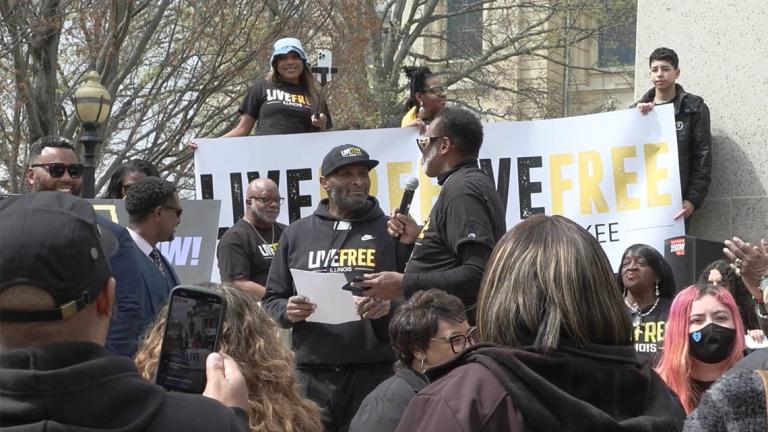
The “Clean Slate” Act, which could have sealed thousands and potentially millions of nonviolent criminal records in Illinois, had bipartisan support but failed to pass in the final flurry of legislative action this spring, the sponsor says.
A bill passed in this year’s legislative session would rewrite the definition of a “forcible felony” to allow Illinois State Police to use images obtained from automatic license plate readers in cases involving human trafficking and involuntary servitude.
State lawmakers sent Gov. JB Pritzker a $55.2 billion budget on May 31 that raises $1 billion in new revenue and increases spending by more than $2 billion in fiscal year 2026 compared to the current year.
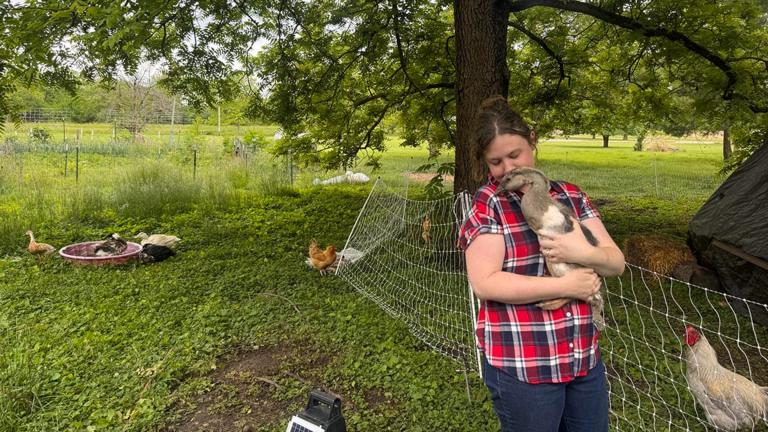
A bill that would lift long-standing restrictions on small poultry farmers in Illinois, reducing red tape and transforming the way local farmers process and sell their products, is heading to the governor.

“You don’t get everything done in one year,” Gov. JB Pritzker said during a post-session news conference when asked about several of his initiatives that failed to pass this year. “Sometimes they (lawmakers) spend two years, four years, six years, trying to get something big done.”
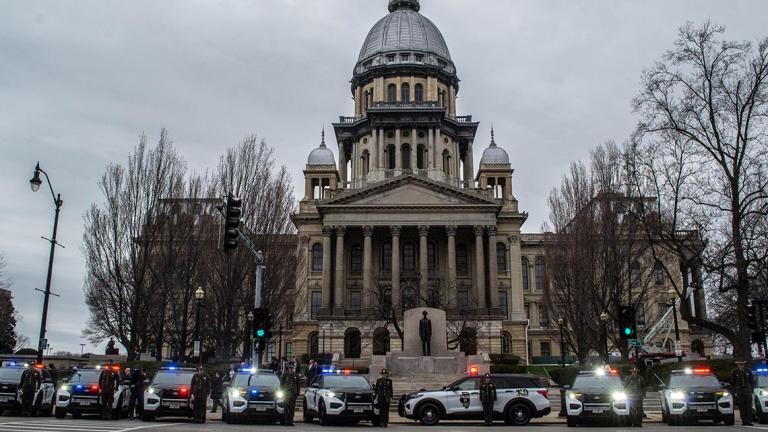
SPRINGFIELD – While Illinois State Police has long investigated child sex crimes, a new measure would explicitly name addressing internet crimes against children as a core mission of its criminal division.
Senate Bill 1181 explicitly adds news media as an entity protected under the state’s Citizen Participation Act, which prohibits “strategic lawsuits against public participation.”

Lawmakers voted along party lines Saturday to pass House Bill 3363, which would create the “Office of State Public Defender” that would primarily be responsible for providing public defender offices around the state with more resources.
The ban was supposed to take effect on July 1, but lawmakers voted with strong bipartisan majorities Sunday morning to pass House Bill 742 to push the ban back until July 2026.
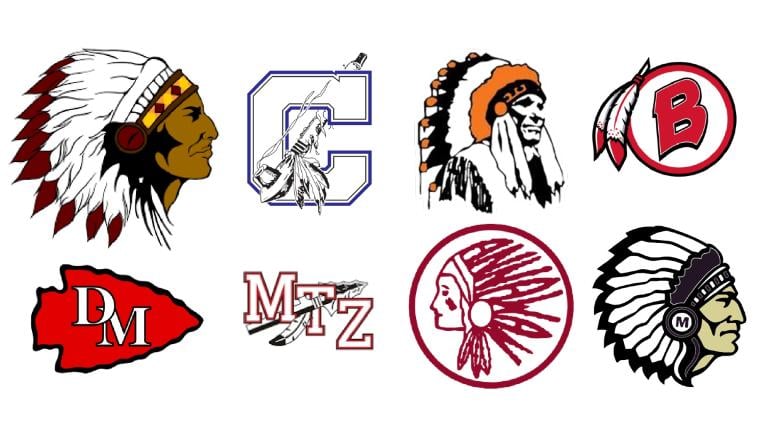
Despite desire from Native Americans in Illinois, the ban on Native imagery for mascots in K-12 schools stalled in the Senate after it made its way out of the House.
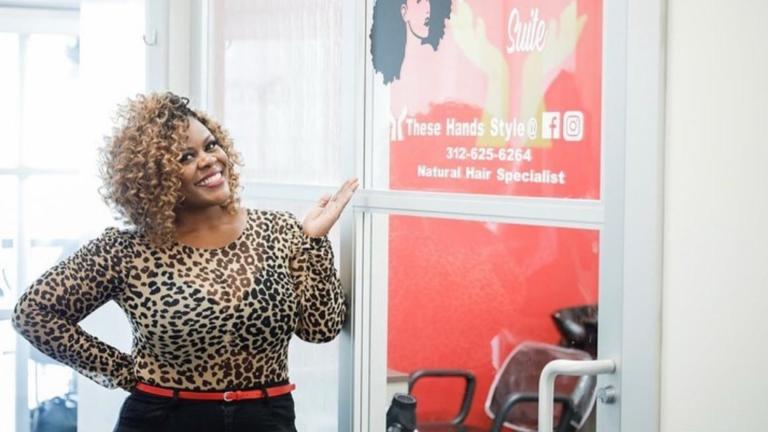
The Hair Braiding Opportunity Act would have amended the Barber, Cosmetology, Esthetics, Hair Braiding, and Nail Technology Act of 1985 to strike a 300-hour training requirement, $30 initial licensing fee and $5,000 penalty for practicing without a license for hair braiders.
Trending
2026 Chicago Festival Guide

CPD Sergeant Who Led Botched Raid at Home of Anjanette Young Now Working as a Suburban Police Detective

Woman Charged With Fatally Stabbing 7-Year-Old Girl Walking in Chicago Saturday

Key City Panel Unanimously Agrees to Pay $260.8M to Resolve 16 Lawsuits Tied to Disgraced Ex-CPD Detective Reynaldo Guevara

Marimar Martinez Hopes New Lawsuit Could Spur Criminal Charges 1 Year After Border Patrol Agent Shot Her

Sign up for the WTTW News newsletter