

Chicago History
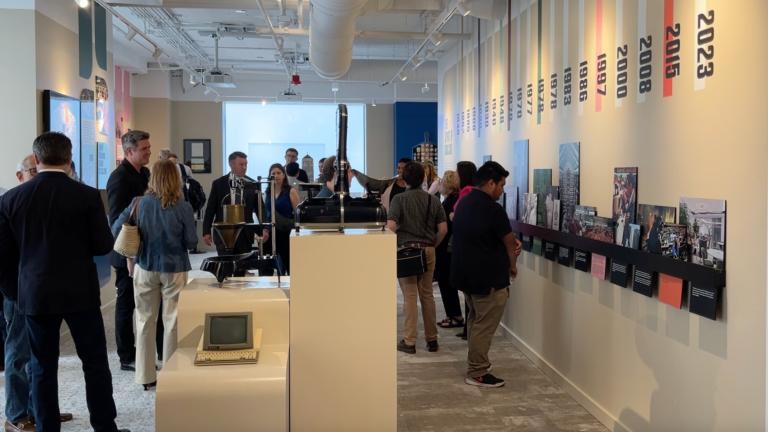
Chicago Board of Trade Building Museum Pays Tribute to City’s History in Heart of Financial District
Chicago Board of Trade Building Museum, located at 141 W. Jackson, is free and open to the public. The museum is open from 10 a.m. to 4 p.m., Monday through Friday, except on federal holidays.
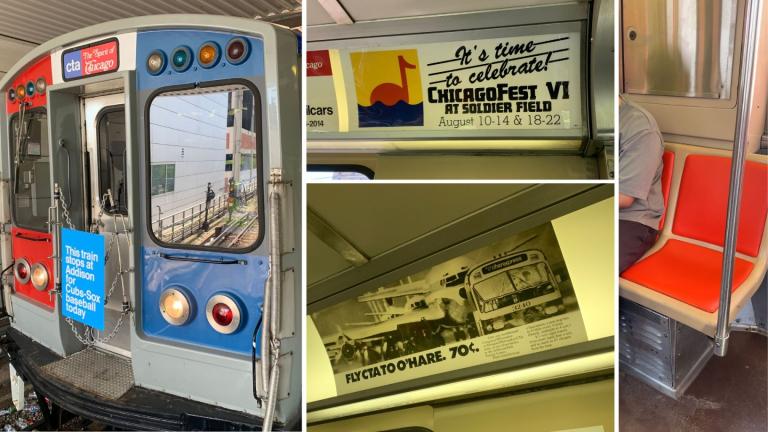
The Chicago Transit Authority ran one of its vintage railcars Friday morning as part of its Heritage Fleet program, which aims to preserve and celebrate retired railcars and buses going as far back as the early 1900s.


The life and legacy of Jean Baptiste Point DuSable, who is largely referred to as Chicago’s founder, is being honored at a new park just east of where the Haitian-born trader settled near the river.
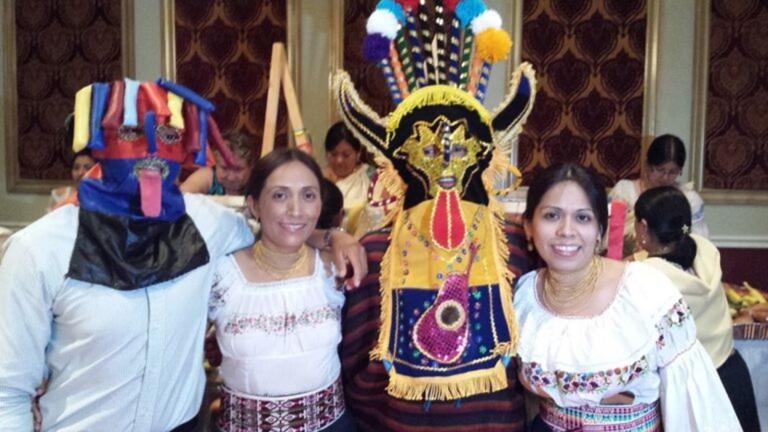
Glamorous Quinceañera dresses and an Indigenous ceremonial mask are among the items that will be on display in “Aquí en Chicago,” an upcoming Chicago History Museum exhibit celebrating the long history of Latinos in the city.
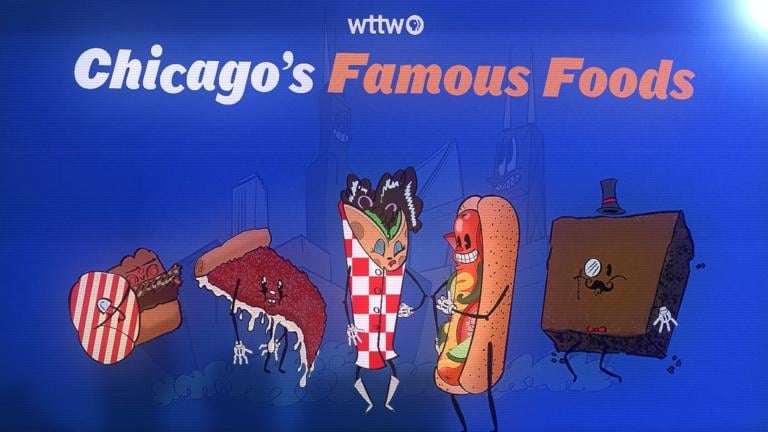
Chicago is home to a plateful of iconic foods. But more than anything else, Chicago is known for its hot dogs and its pizza. WTTW News explains.
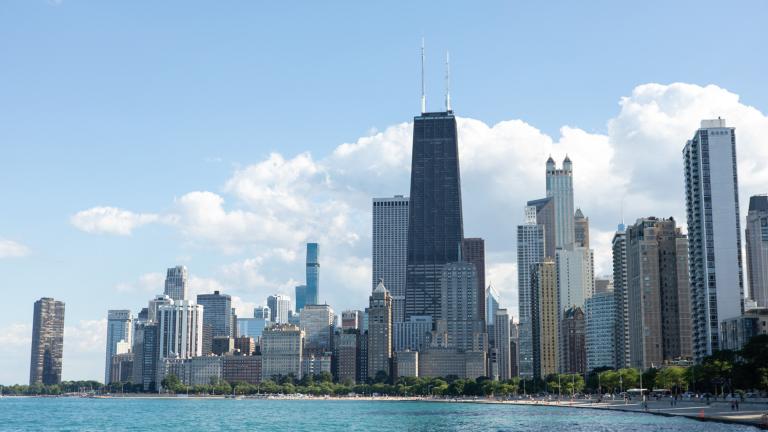
Tuesday marks the city’s 188th birthday. Here's a look back at some Chicago history you need to know.
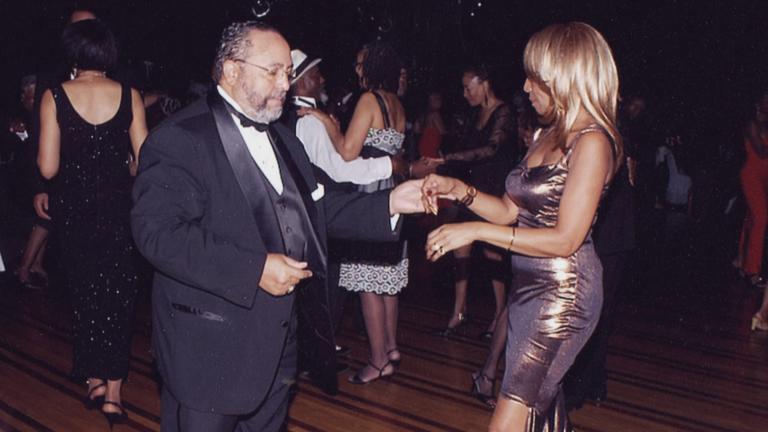
“Chicago is the steppin’ capital of the world.” That’s a phrase coined by local DJ Sam Chatman, also known as the Godfather of Steppin’. And though the dance craze’s popularity has spread far and wide, no one can do it quite like the hometown originators.
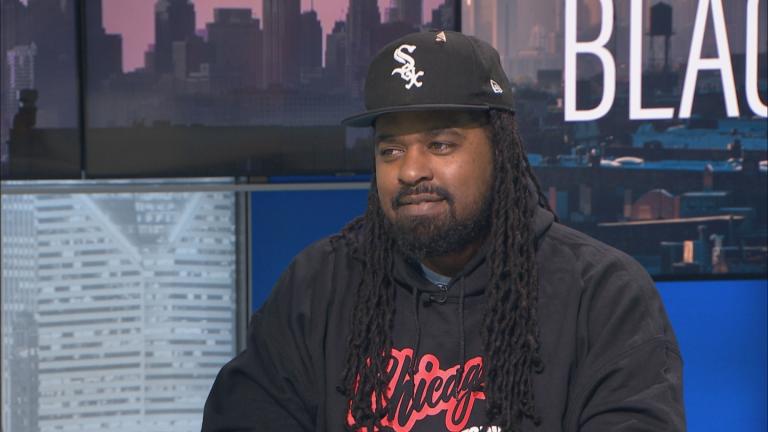
Shermann “Dilla” Thomas has a new gig at theDuSable Black History Museum as a brand ambassador and social media chief — an opportunity he’s called a “dream job.” It’s just one of his many projects — from giving bus tours to posting on TikTok about the city’s lesser-known history.
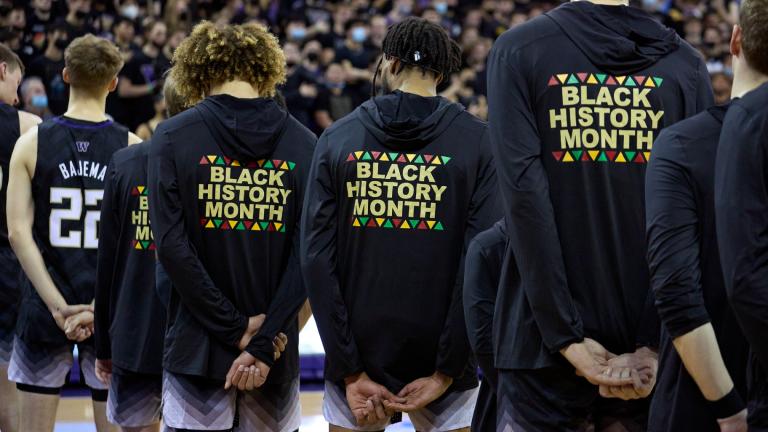
The history of the month dates back almost a century, and the way it is celebrated and evolved has created history in itself.
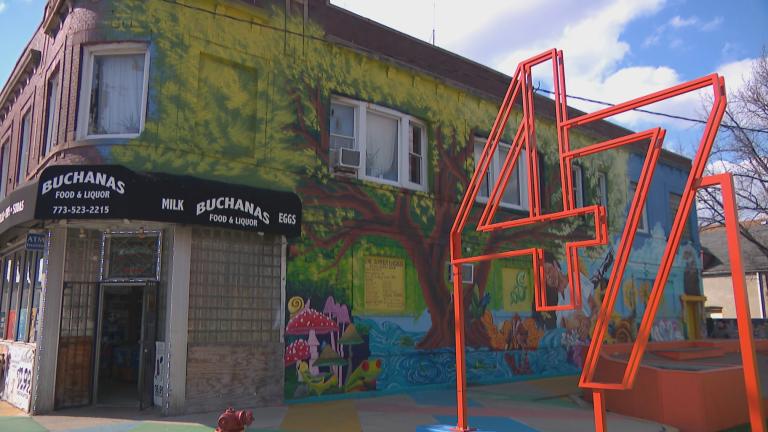
Artist and photographer Tonika Lewis Johnson and sociologist Maria Krysan compiled Chicagoans’ stories in their new book. The goal was to better understand what can happen when people explore often ignored parts of the city.
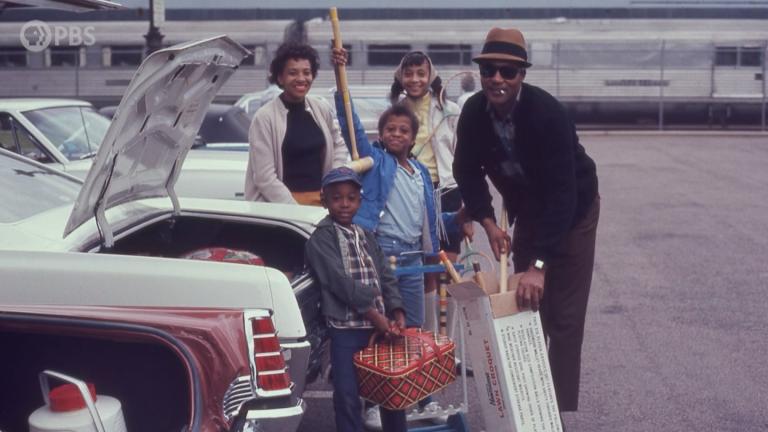
The first episode of the four-part series, called “Exodus,” details the first wave of migration north from southern states that helped turn the Bronzeville neighborhood of Chicago into a Black metropolis.
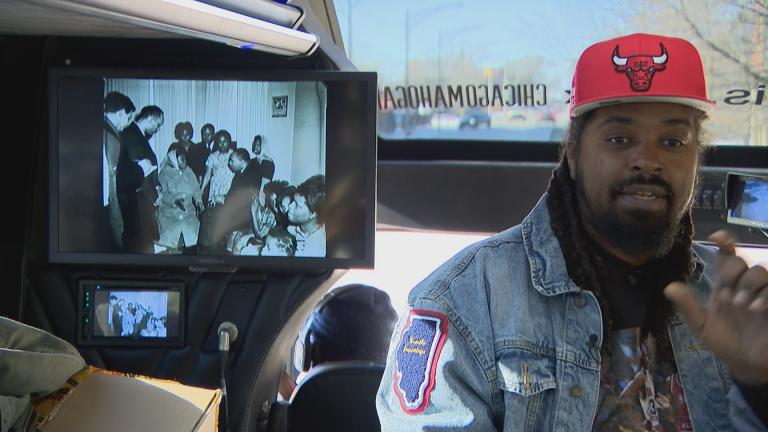
Almost six decades later, urban historian Shermann “Dilla” Thomas is making sure new generations know the details of Martin Luther King Jr.’s time in Chicago through his educational tours of the city’s neighborhoods.
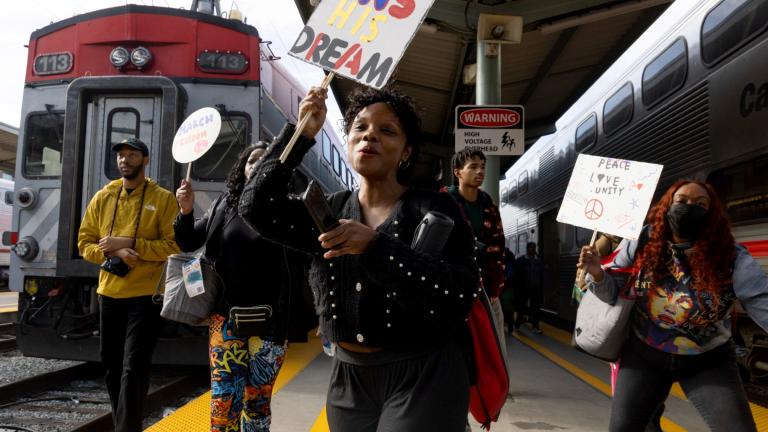
While it is now a time-honored tradition, the establishment of the holiday had a prolonged, difficult path to acceptance.
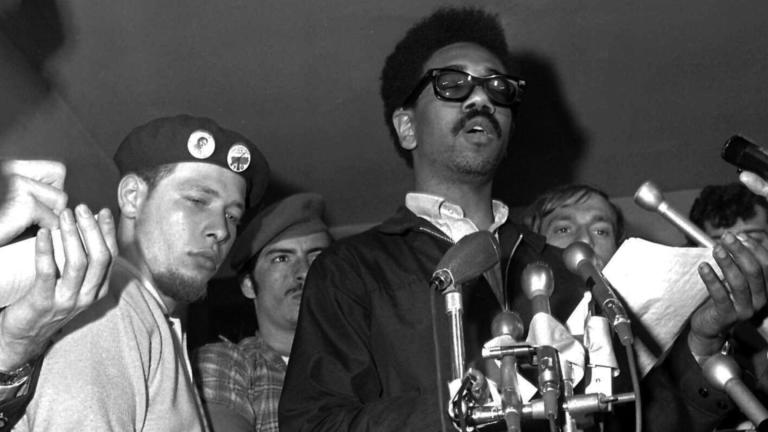
José “Cha Cha” Jiménez in the 1960s founded the Young Lords as a street gang to counter the growing hostility toward the Puerto Rican community in Lincoln Park, at the time one of the most impoverished neighborhoods of Chicago.
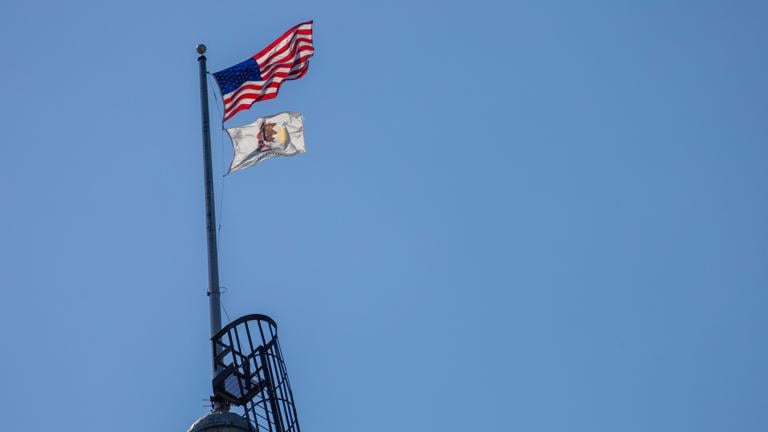
Voters can choose from 10 designs for a new flag, the current flag, the 1918 centennial flag or 1968 sesquicentennial flag.
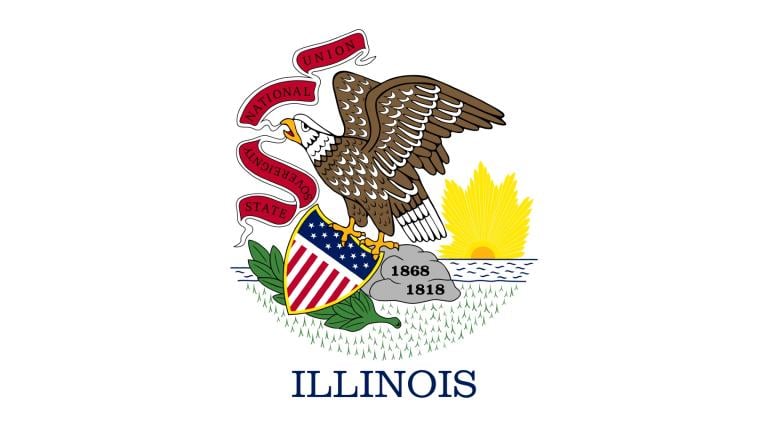
The Illinois Flag Commission chose the 10 finalists from nearly 5,000 submissions in a contest that closed in October. The fate of Illinois’ official banner will ultimately be up to lawmakers and the governor.
Trending
2026 Chicago Festival Guide

CPD Sergeant Who Led Botched Raid at Home of Anjanette Young Now Working as a Suburban Police Detective

Woman Charged With Fatally Stabbing 7-Year-Old Girl Walking in Chicago Saturday

Key City Panel Unanimously Agrees to Pay $260.8M to Resolve 16 Lawsuits Tied to Disgraced Ex-CPD Detective Reynaldo Guevara

Marimar Martinez Hopes New Lawsuit Could Spur Criminal Charges 1 Year After Border Patrol Agent Shot Her

Sign up for the WTTW News newsletter