

Chicago Finances
The amount of taxpayer funds spent on overtime by all city departments, including CPD, dropped in 2024 for the first time since 2021, when the COVID-19 pandemic upended the city’s operations.
Despite the study's findings, members of the City Council’s Subcommittee on Revenue, facing a likely deficit of nearly $1.2 billion in the city’s 2026 spending plan, were not ready to fold and walk away from the table.
In all, Chicago taxpayers have spent more than $120.3 million since January 2019 to resolve 31 lawsuits filed by Chicagoans injured during police pursuits, according to an analysis of city data by WTTW News.
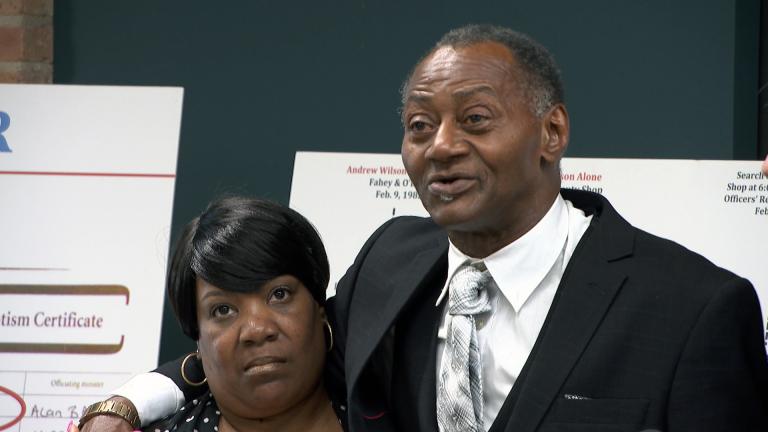
For more than four decades, Jackie Wilson has said he was tortured into confessing to two Chicago Police officers by disgraced former Chicago Police Commander Jon Burge.
If approved, it would be the eighth lawsuit filed by Chicagoans who said they were the victims of Guevara’s misconduct to be resolved at a cost of more than $95 million to Chicago taxpayers.
City lawyers reached an agreement to settle the lawsuit filed by Gilbert and Hester Mendez midway through a federal civil trial after Peter Mendez, who was 9 at the time of the no-knock raid, told a jury that he was traumatized by Chicago police officers’ decision to point a M4 assault rifle and other guns at him and his 5-year-old brother.

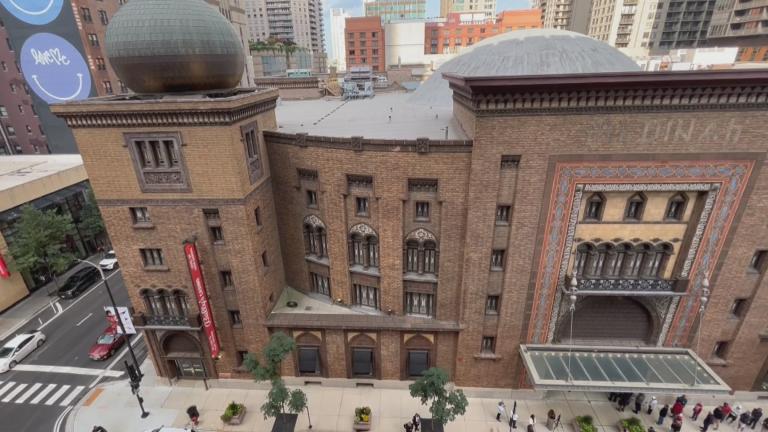
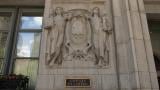
Chicago Board of Trade Building Museum Pays Tribute to City’s History in Heart of Financial District
Chicago Board of Trade Building Museum, located at 141 W. Jackson, is free and open to the public. The museum is open from 10 a.m. to 4 p.m., Monday through Friday, except on federal holidays.
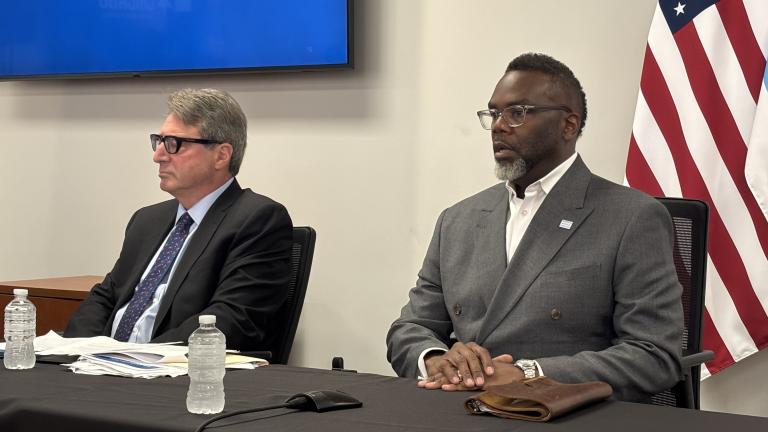
“No, it’s not acceptable,” Mayor Brandon Johnson said. “No one is going to agree that the overspending in this moment is something that we should accept or be OK with.”
In all, Chicago owes $35.9 billion to its four employee pension funds representing police officers, firefighters, municipal employees and laborers, according to the 2024 Annual Comprehensive Financial Report.
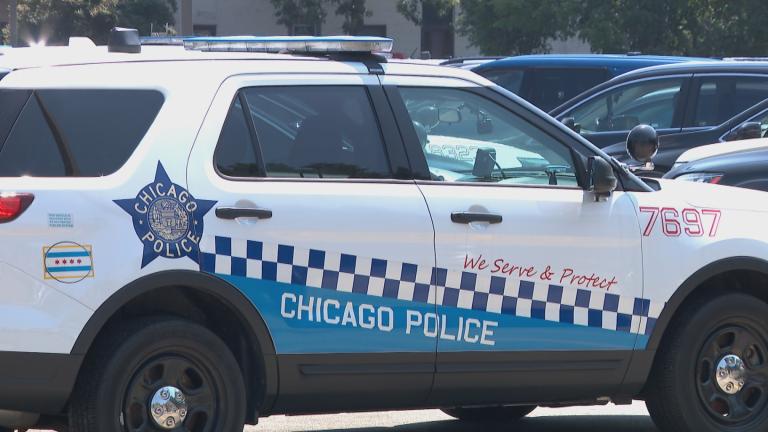
The Chicago Police Department exceeded its nearly $2 billion budget, approved by the Chicago City Council, by $207 million, according to city data.
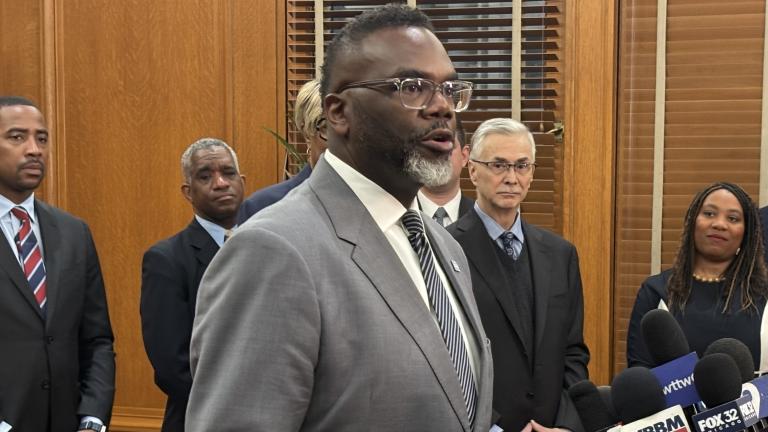
Chicago officials held the first of four “budget engagement roundtables” designed to gather feedback about the city’s 2026 budget.

Less than six months into the year, Chicago taxpayers have spent at least $189.3 million to resolve nearly two and a half dozen lawsuits, exceeding its budget to resolve lawsuits alleging police misconduct by more than $100 million, city records show.
City Council to Weigh Paying $2.1M to Resolve Another Lawsuit Tied to Convicted Ex-Sgt. Ronald Watts
William Carter spent a total of four years in jail after pleading guilty in two cases and being convicted in a third that he alleges were based on false evidence gathered by Watts, who was convicted in 2013 of taking bribes, and other officers.
Dozens of Chicagoans have accused former Chicago Police Detective Kriston Kato of torturing them into confessing to crimes they did not commit. Kato has denied any wrongdoing.
In all, Chicago taxpayers spent $120.3 million since January 2019 to resolve 31 lawsuits filed by Chicagoans injured during police pursuits, according to an analysis of city data by WTTW News.
That massive growth funneled $5.84 billion into the special districts designed to spur redevelopment and eradicate blight, according to five years of reports on TIF districts published by the Cook County Clerk’s Office examined by WTTW News.
Trending
Who Is Running, or Thinking About Running, to Become Chicago’s Next Mayor

Suspend CPD Officers, Sergeant Repeatedly Accused of Making Improper Traffic Stops for a Combined 330 Days: Police Brass

No Tax Hikes or Layoffs Needed to Close Cook County’s $550M Gap Thanks to ‘Budget Magic’: Preckwinkle
Hilario Dominguez, Candidate for CPS Board President, Defends Conduct as Watchdog Reopens Probe Into Inappropriate Behavior Allegations

CPD Brass Inconsistently Disciplined Officers for Using Racial Slurs: Watchdog

Sign up for the WTTW News newsletter