

Chicago Finances
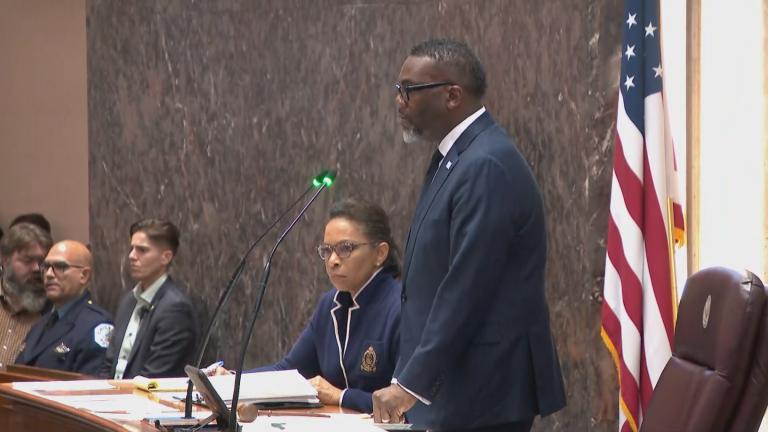

The budget passed 27-23, with just 18 days to spare, averting an unprecedented shutdown of city government.
The spending plan still calls for a host of other taxes and fees to rise by an additional $165.5 million, including increases in the taxes levied on software licenses, cloud services and other digital goods as well as subscriptions to streaming and cable television services.
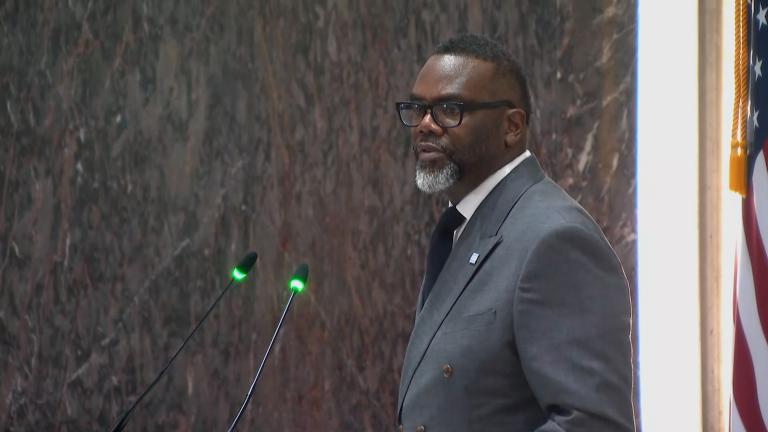
The mayor’s decision to delay the budget vote is an acknowledgment that the spending plan that would hike property taxes by $68.5 million and increase a host of other taxes and fees by an additional $165.5 million does not have enough votes to pass the Chicago City Council.
If the verdict is upheld, it would nearly equal city’s annual $82 million budget to cover the cost of police misconduct lawsuits.
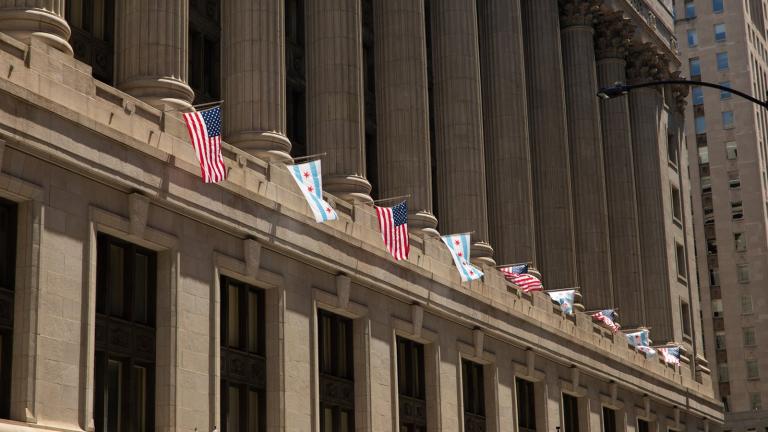
Two key Chicago City Council committees voted Tuesday to send Johnson’s $17.3 billion spending plan for 2025 to the full City Council for a final vote. The two-step process is set to start Wednesday, with a final vote scheduled for Friday.
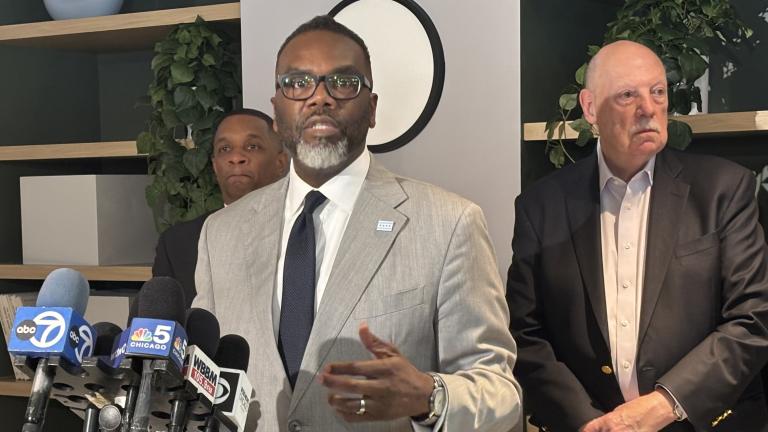
“A budget that would lay off workers and cut services is just, you know, one that should not be tolerated by any Chicagoan,” Mayor Brandon Johnson said.
The new plan comes after the Chicago City Council rejected Johnson’s first two proposals to raise property taxes in order to avoid draconian cuts to city services and thousands of layoffs.
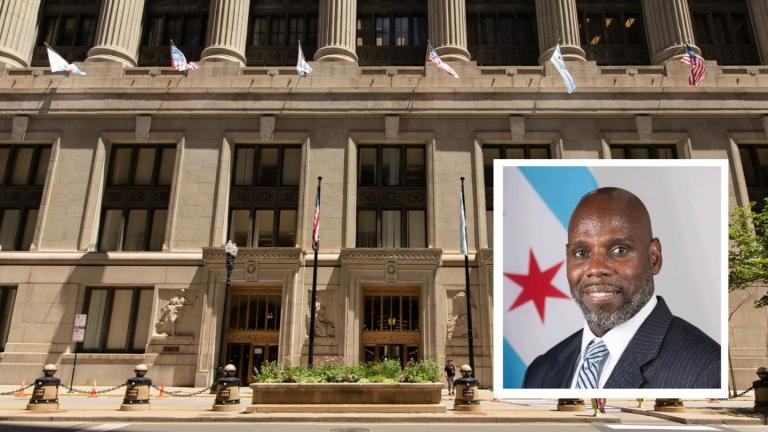
Joseph “JoJo” Mapp promised to serve as a “bridge” between community organizations working to help those returning to Chicago from jail or prison and the city.
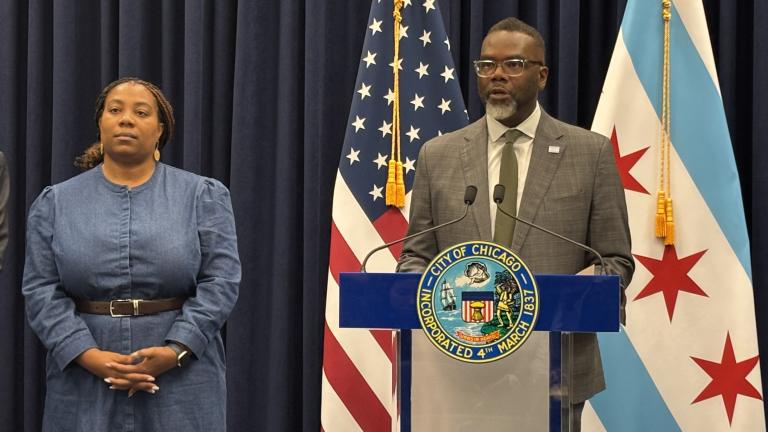
“I get the noise around my administration,” Mayor Brandon Johnson said. “I’m doing it differently, and I know it feels a certain way, but I’m doing it better. I am. We’ll have a balanced budget that invests in people.”
As City Council members return to City Hall on Monday to wrap up budget hearings after a weeklong Thanksgiving break, there is no clear path to a deal with just 29 days left before the deadline to avoid an unprecedented shutdown of city government.
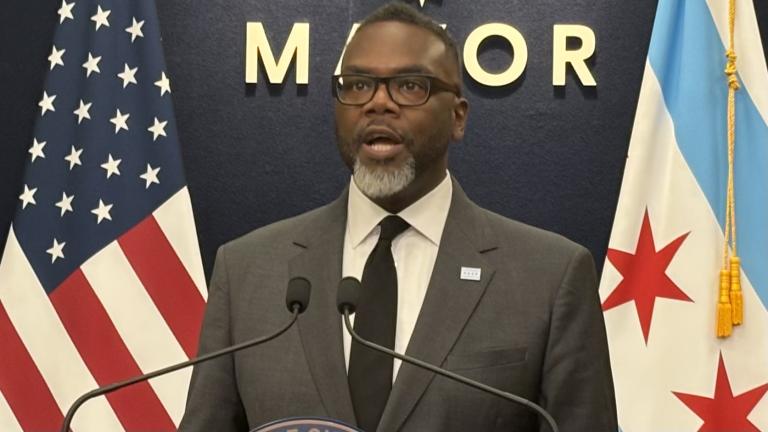
Mayor Brandon Johnson called on members of the Chicago City Council to do their job and stop throwing tantrums. “It’s time to grow up,” he said. “People in Chicago don’t have time for that.”
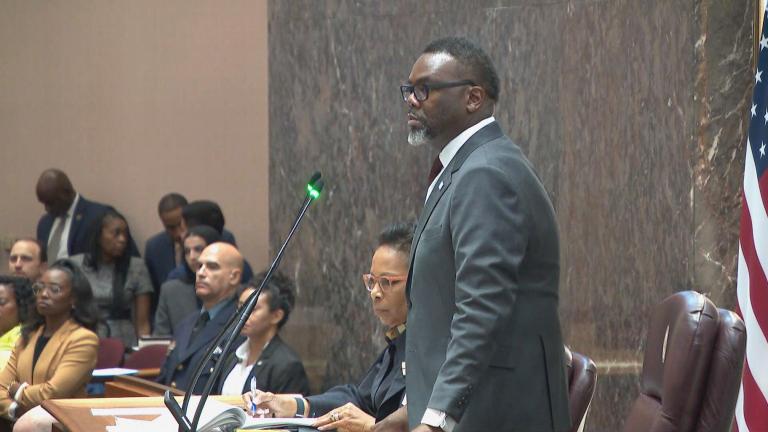
Before the stunning rebuke from all 50 alderpeople, including his closest allies, Mayor Brandon Johnson said he remained “committed to collaboration” and would work to craft a budget that reflects the city’s values by investing in people.
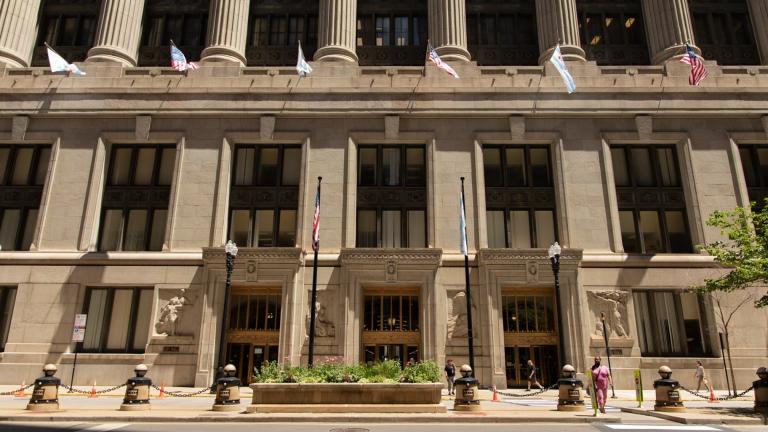
Mayor Brandon Johnson used a Tuesday afternoon news conference to cast the City Council’s apparent refusal to hike property taxes by $300 million as evidence of his collaborative approach to governing in Chicago, and not a rebuke of his leadership.
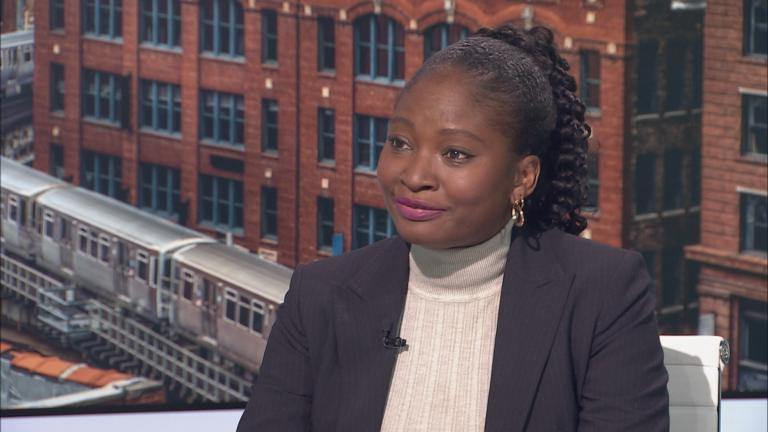
Mayor Brandon Johnson’s spending plan for 2025 earmarks nearly $700 million for the Chicago Department of Public Health, which is charged with fighting the spread of communicable diseases, providing mental health care and ensuring the safety of food at restaurants and festivals.
Chief Financial Officer Jill Jaworski told members of the City Council’s Budget and Government Operations Committee on Wednesday that the $17.3 billion spending plan “prioritizes the city’s long-term fiscal stability.”
Mayor Brandon Johnson said proposing the tax hike, the second largest in modern Chicago history after the $588 million property tax hike pushed through by former Mayor Rahm Emanuel in 2016, was a “difficult decision” that was the result of an "excruciating process.”
Trending
Who Is Running, or Thinking About Running, to Become Chicago’s Next Mayor

Suspend CPD Officers, Sergeant Repeatedly Accused of Making Improper Traffic Stops for a Combined 330 Days: Police Brass

No Tax Hikes or Layoffs Needed to Close Cook County’s $550M Gap Thanks to ‘Budget Magic’: Preckwinkle
Hilario Dominguez, Candidate for CPS Board President, Defends Conduct as Watchdog Reopens Probe Into Inappropriate Behavior Allegations

CPD Brass Inconsistently Disciplined Officers for Using Racial Slurs: Watchdog

Sign up for the WTTW News newsletter