

Chicago Artists
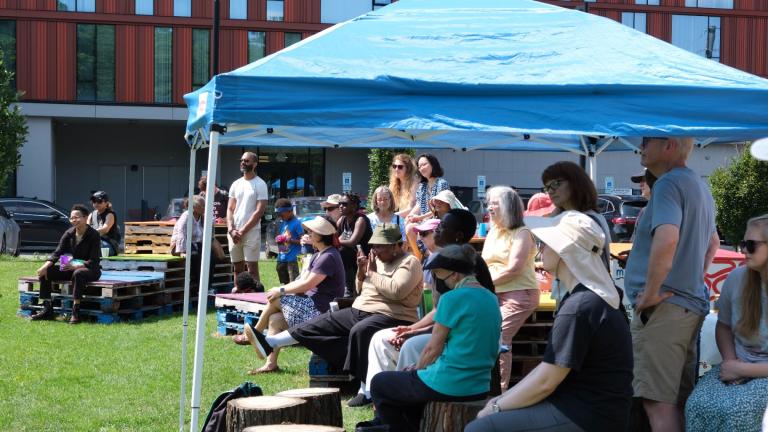
The Smithsonian is hosting the event series in collaboration with Chicago’s Center for Native Futures, the National Museum of Mexican Art, the National Public Housing Museum and the South Side Community Art Center. Events are set to take place Sept. 20-28. All events are free and open to the public.
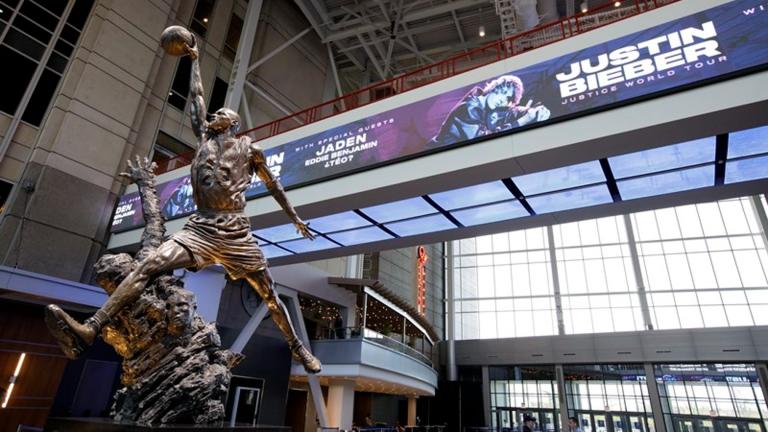
A local husband-and-wife team leads a collective of artists who create monuments to sports stars and heroes of all kinds. Their big break came 30 years ago when the Chicago Bulls commissioned them to make a monument to Michael Jordan. The 15-foot sculpture, titled “The Spirit,” stands inside the United Center.
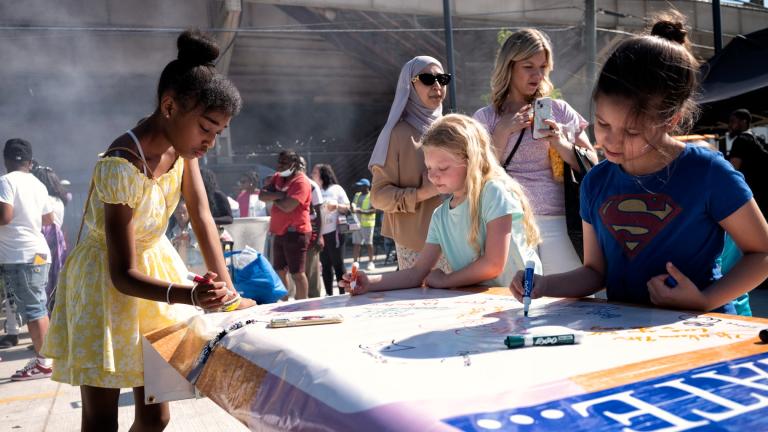
The free Saturday events are part of the “Arts for Everybody” campaign led by One Nation/One Project, which brings people together at 18 sites across the country to put a spotlight on the role of arts in the healing and health of communities.
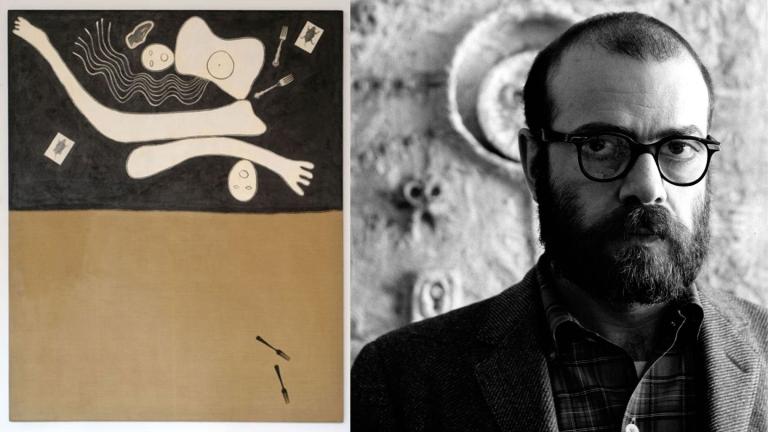
Dominick Di Meo was an essential figure in the postwar Chicago art scene and part of an art circle known as the Monster Roster. Curator and gallerist John Corbett called it “the first full-fledged movement in Chicago art history.”
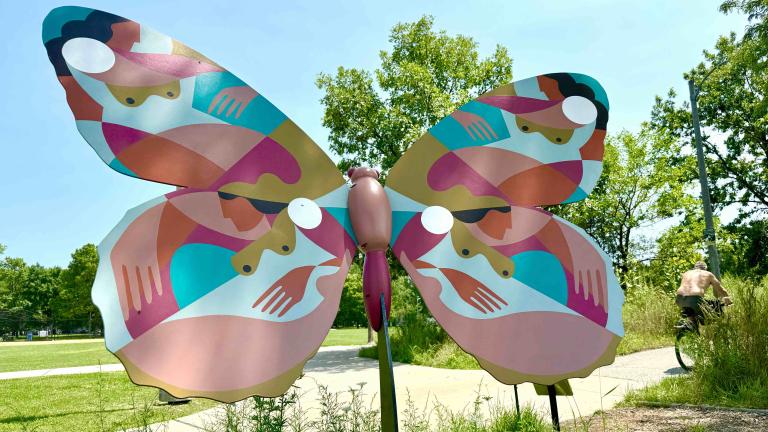
Butterfly sculptures have landed at nearly 20 parks across Chicago as part of the ongoing Flight of the Butterflies exhibit that kicked off this spring.
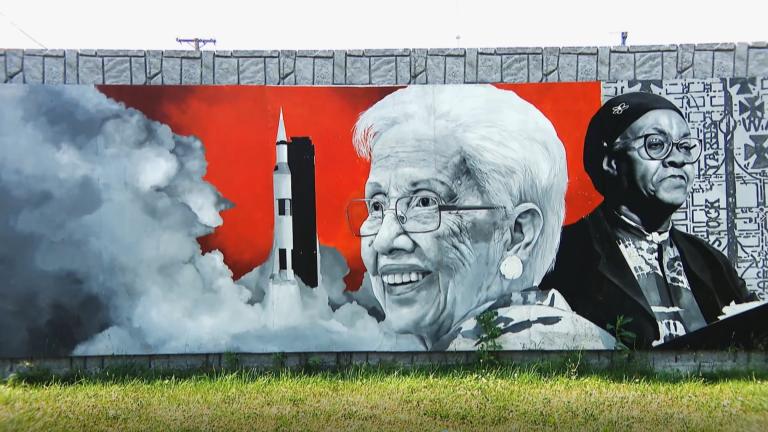

The mural was created by two Chicago artists — Rahmaan “Statik” Barnes and Shawn Michael Warren — with help from high school students. It helps conceal a ComEd battery storage facility that is part of the Bronzeville Community Microgrid.
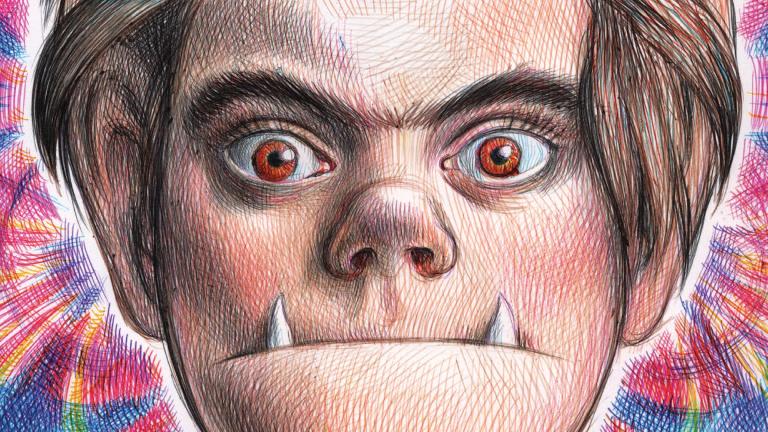
Following the release of “My Favorite Thing is Monsters” in 2017, graphic novelist Emil Ferris was dubbed “one of the most important comics artists of our time.” Now Ferris is back with “My Favorite Thing is Monsters Book Two,” which continues the tale of Karen Reyes, a 10-year-old misfit who thinks of herself as a werewolf.
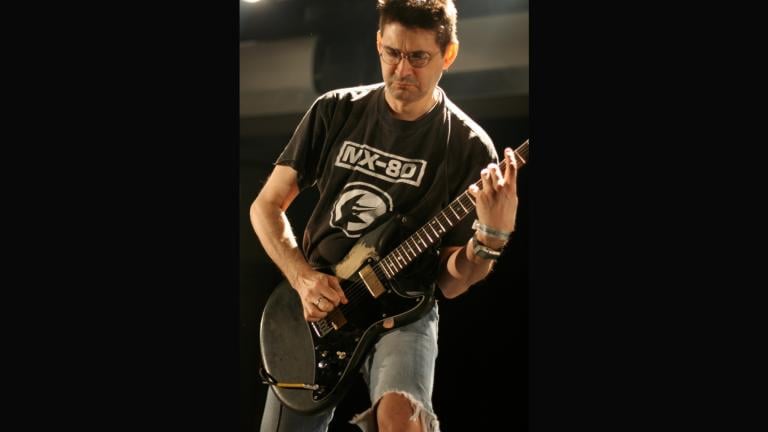
Steve Albini, the influential recording engineer behind Chicago’s Electrical Audio studios and a member of bands like Big Black and Shellac, died Tuesday at age 61.
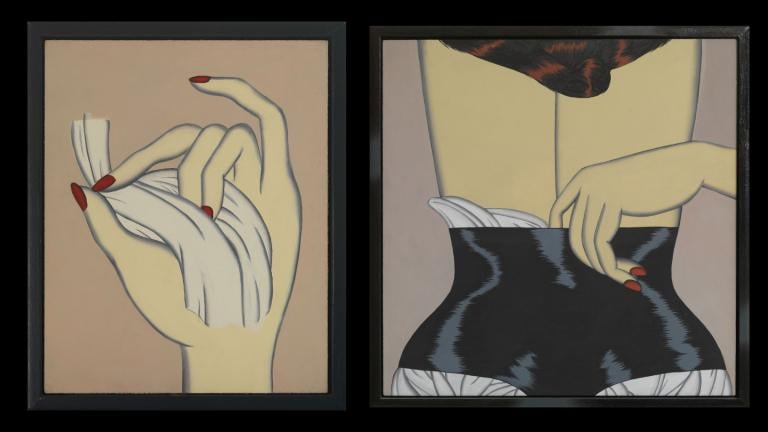
“Christina Ramberg: A Retrospective” places an important, underappreciated Chicago artist where she clearly belongs — in the Modern Wing of the Art Institute of Chicago. It’s the first full survey of Ramberg’s work in the nearly 30 years since her untimely death.
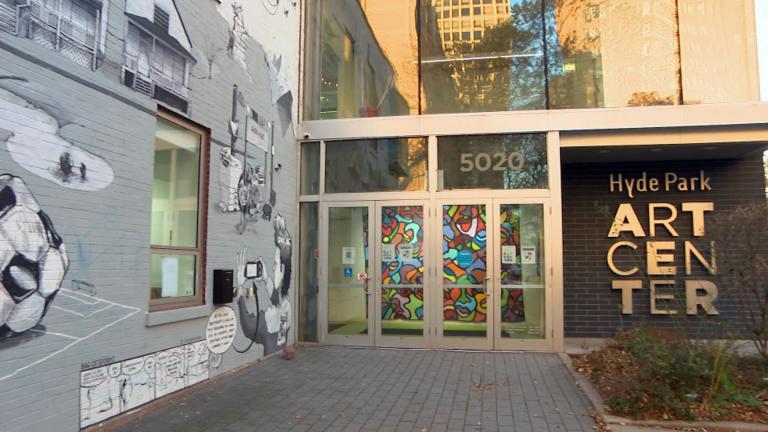
The center will now offer all its art classes on a contribution-based model in order to ensure more equitable access to artmaking, education and community engagement.
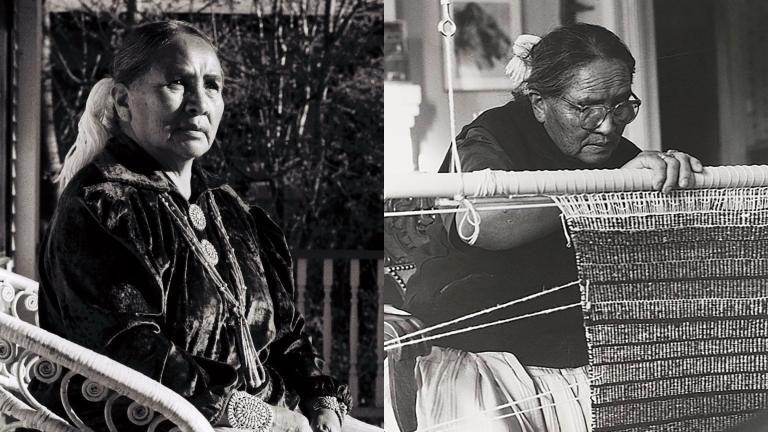
“Vigilance: Learning From the Legacies of BIPOC Environmental Leaders” is inspired by the work of Hazel Johnson, a Black Chicagoan known as the mother of the environmental justice movement.
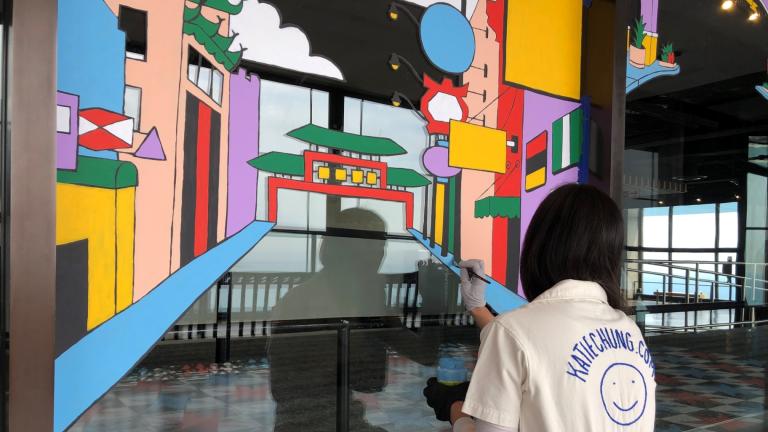
High above Michigan Avenue, artist Katie Chung pays tribute to the neighborhoods below. She uses many colors while keeping in mind Obangsaek, a color scheme known as the five cardinal colors of Korean culture.
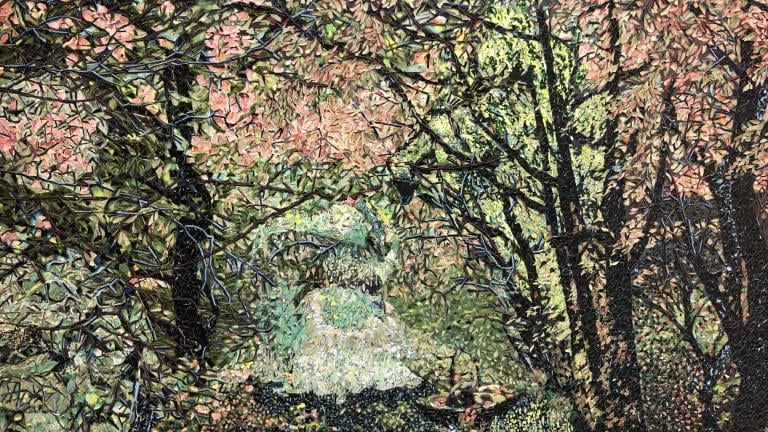
It’s an inspiring spring at the Hyde Park Art Center, where two shows by essential Chicago artists are currently in bloom.

Chicago’s Barley Fair brings art down to a miniature size, with its participants making itty-bitty paintings, sculptures and other works to be displayed at 1:12 scale in dollhouse-sized booths.
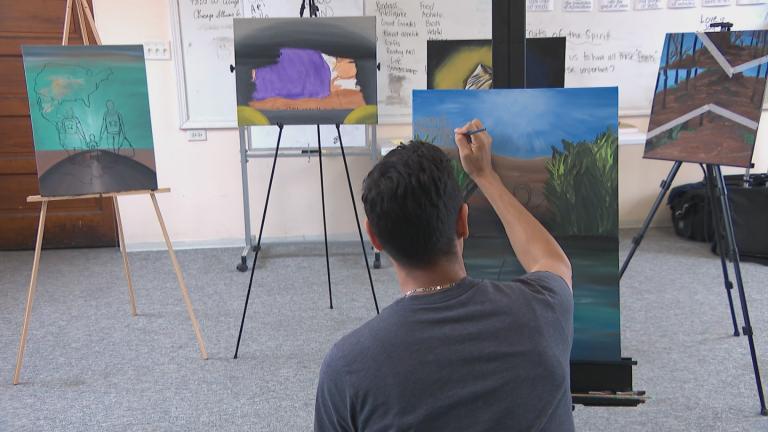
Last year, a Belmont Cragin pastor opened his church’s doors to house a group of migrants who were sleeping at a police station. One of the men has now created a series of paintings describing his journey to America. His artwork will be on display this weekend.
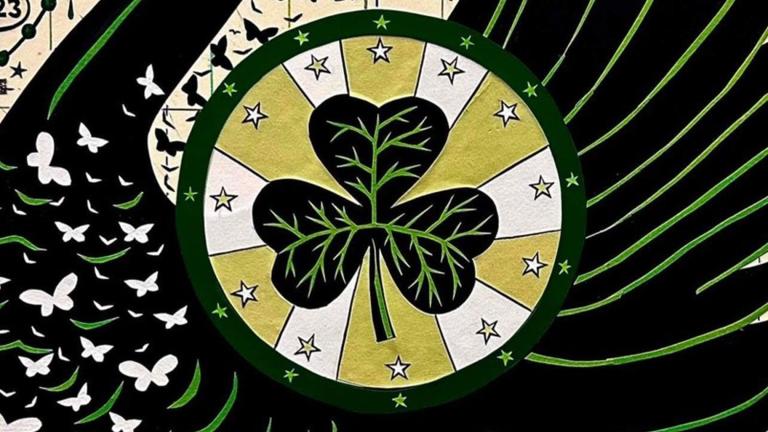
“I’m so proud of being Irish when I think of her, her music, her principles, what she stood for and what it cost her,” artist Tony Fitzpatrick said.
Trending
Early Voting for November General Election Kicks Off in Downtown Chicago
Uptown Theatre Added to Open House Chicago, Catch a Rare Glimpse Inside Gilded Jewel
City Lawyers Propose Spending $260.8M to Settle 16 Cases Tied to Disgraced Ex-CPD Detective Guevara
Chicago Must Pay $10.5M to Family of Man Killed by Driver Being Chased by Police: Supreme Court Ruling

Family of Renee Good Sues Trump Administration, ICE Agents Months After Fatal Shooting in Minneapolis
Sign up for the WTTW News newsletter