

CDC

Health secretary Robert F. Kennedy Jr.’s efforts to contain an epidemic in a tight-knit, religious community in West Texas have run counter to established public health strategies deployed to end past epidemics.

U.S. Health Secretary Robert F. Kennedy Jr. has said he wants communities to stop fluoridating water, and he is setting the gears of government in motion to help make that happen.
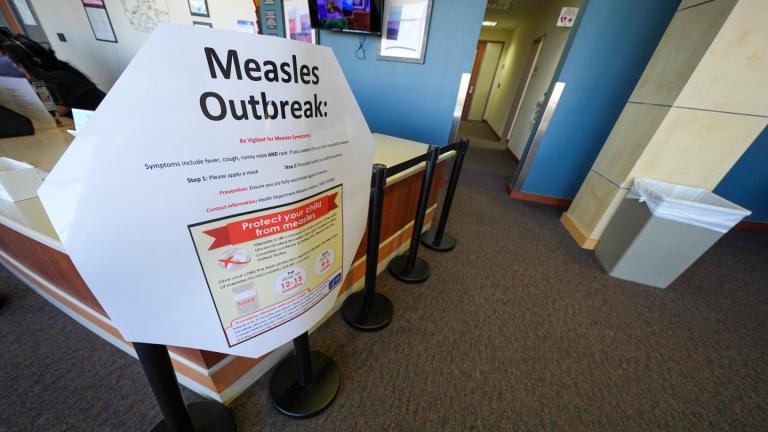
The U.S. has more than double the number of measles cases it saw in all of 2024, with Texas reporting the majority of them: nearly 500.

In Louisiana, two infants have died of pertussis in the past six months, according to the state health department, the first deaths from the disease in the state since 2018.
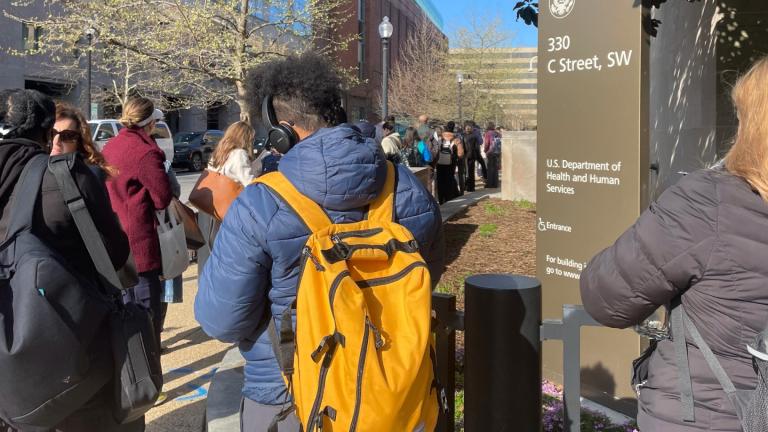
Employees across the massive U.S. Health and Human Services Department began receiving notices of dismissal on Tuesday in an overhaul ultimately expected to lay off up to 10,000 people.

Health Secretary Robert F. Kennedy Jr. criticized the department he oversees as an inefficient “sprawling bureaucracy” in a video announcing the restructuring Thursday. He faulted the department’s 82,000 workers for a decline in Americans’ health.
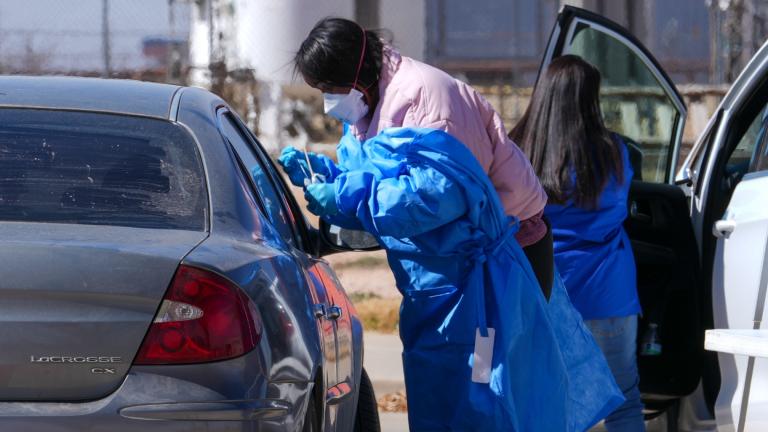

Measles is caused by a highly contagious virus that’s airborne and spreads easily when an infected person breathes, sneezes or coughs. It is preventable through vaccines, and had been considered eliminated from the U.S. since 2000.

The measles outbreak is surging in West Texas, especially in under-vaccinated communities, but it’s not just coverage with the measles vaccine that is lagging behind. The use of other key vaccines in the childhood immunization schedule has decreased too.
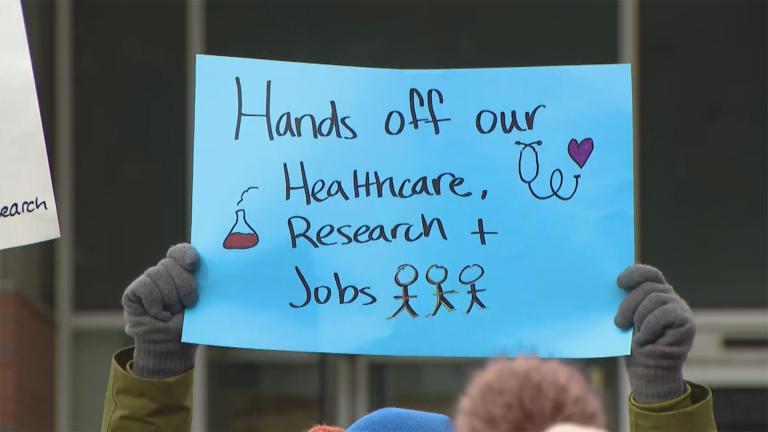
“It is research that is essential, it is research that is nonpartisan, it is research that improves lives and improves communities,” said Aaron Krall, president of the UIC United Faculty union. “This is deadly serious, these are life-and-death matters.”

Reports of wild bird deaths continue to mount, and not just in Illinois. Meanwhile, a vaccine for chickens could be on the horizon.
Nearly 1,300 probationary employees at the Centers for Disease Control and Prevention — roughly one-tenth of the agency’s workforce — are being forced out under the Trump administration’s move to get rid of all probationary employees.

Wildlife professionals and advocates are grappling with an avian influenza outbreak that seems to be growing more virulent among Chicago's wild birds.
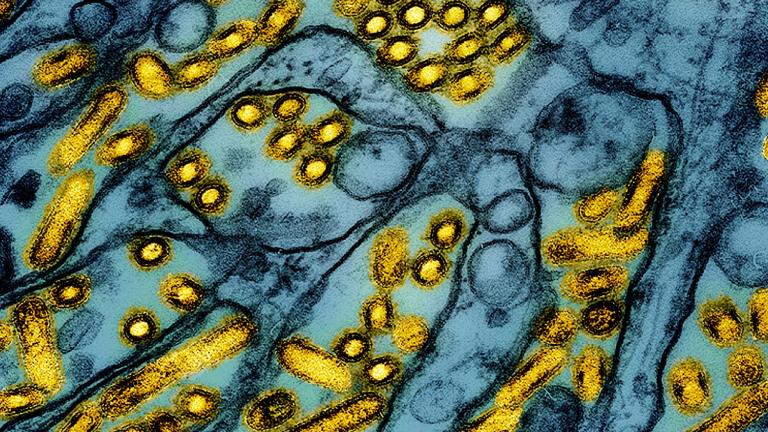
Health officials have said the person was older than 65, had underlying medical problems and had been in contact with sick and dead birds in a backyard flock.
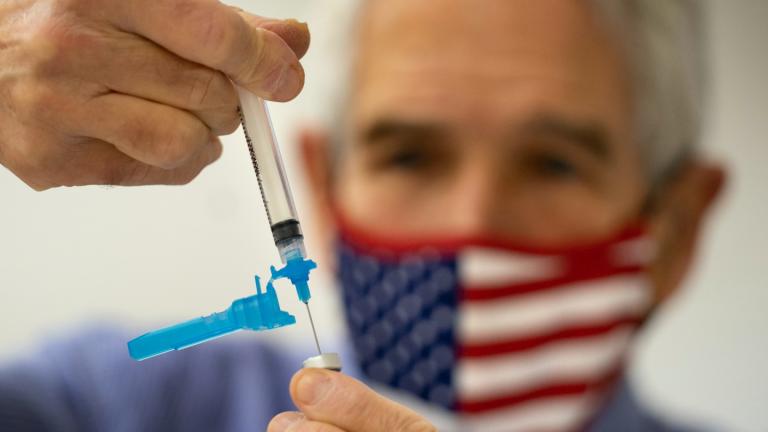
The virus is still with us, though humanity has built up immunity through vaccinations and infections. It’s less deadly than it was in the pandemic’s early days and it no longer tops the list of leading causes of death. But the virus is evolving, meaning scientists must track it closely.

While the flu poses minimal immediate risk to humans, experts warn that the virus’ rapid spread among birds and mammals could increase the likelihood of mutations, potentially creating a strain more transmissible to humans.

Forecasts from the U.S. Centers for Disease Control and Prevention suggest that this respiratory disease season will be similar to last year’s — which brought more than 20 hospitalizations for every 100,000 people in one week at its peak — and far worse than in pre-pandemic years.
Trending
Early Voting for November General Election Kicks Off in Downtown Chicago

Uptown Theatre Added to Open House Chicago, Catch a Rare Glimpse Inside Gilded Jewel

City Lawyers Propose Spending $260.8M to Settle 16 Cases Tied to Disgraced Ex-CPD Detective Guevara

Mortgages Soar as Fed Hikes Interest Rates

Chicago’s Parking Meters Have Been Sold, Again. Here’s What to Know

Sign up for the WTTW News newsletter