

Catholic Church
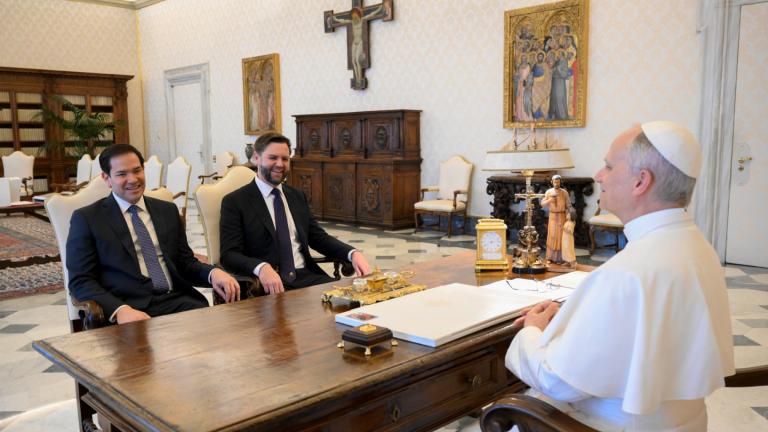
Vance, who converted to Catholicism in 2019, also gave the Augustinian pope a copy of two of St. Augustine’s most seminal works, “The City of God" and “On Christian Doctrine,” the vice president’s office said. Another gift: A Chicago Bears T-shirt with Leo’s name on it.
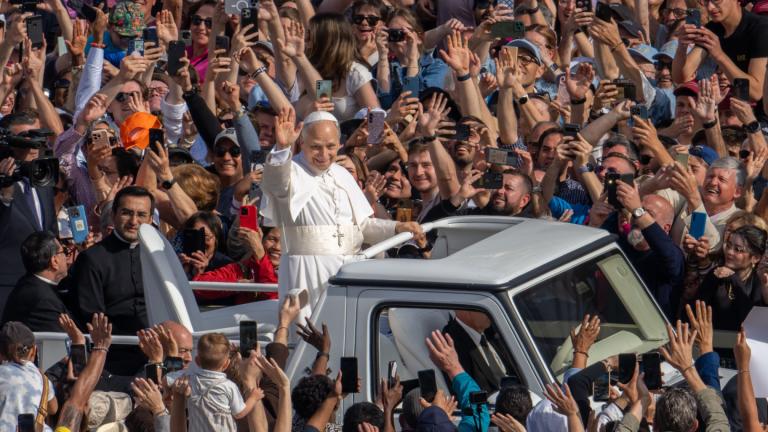
Chicago-born Leo officially opened his pontificate by taking his first popemobile tour through the piazza, a rite of passage that has become synonymous with the papacy’s global reach and mediatic draw.
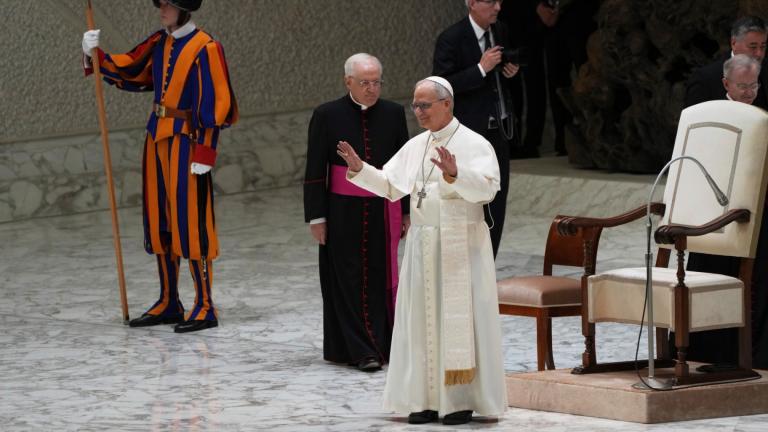
Leo received a standing ovation as he entered the Vatican auditorium for his first meeting with representatives of the general public. The 69-year-old Augustinian missionary, elected in a 24-hour conclave last week, called for journalists to use words for peace, to reject war and to give voice to the voiceless.

In his first formal meeting with cardinals, which began with a standing ovation, the new pontiff said he chose his papal name to continue down the path of Pope Leo XIII, who addressed “the social question in the context of the first great industrial revolution.”
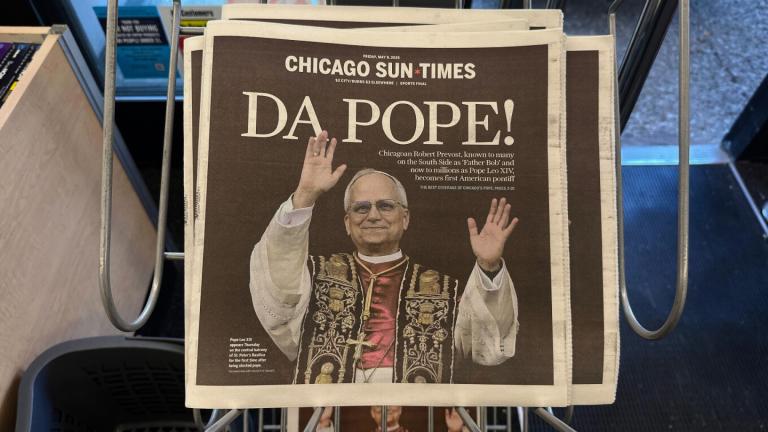
In the breathless day since Pope Leo XIV’s election as the first American pontiff, the memes, doctored images and tongue-in-cheek references have piled up deeper than Chicago’s pizza and more loaded than its hot dog, seemingly irresistible to comics and commoners alike.
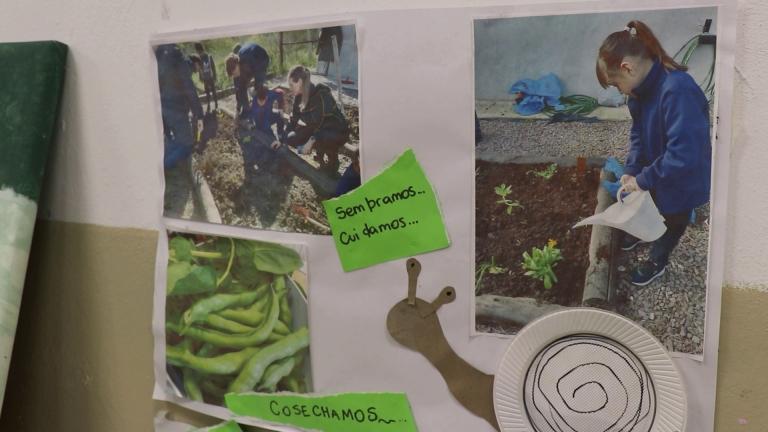

Colegio María de Guadalupe, located outside Buenos Aires, is recognized for its efforts to uplift students through family involvement, job training and values-based education.
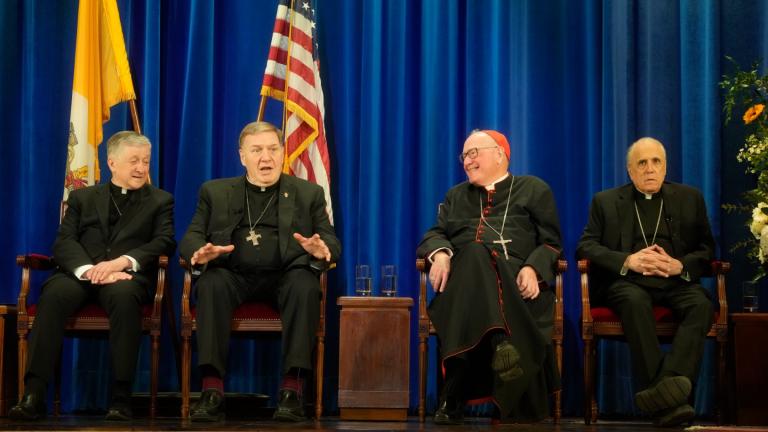
Speakers blasted songs including “Born in the U.S.A.” and “American Pie” as six cardinal electors from the United States gathered in Rome on Friday to share their thoughts on the election of the first U.S.-born pope, Cardinal Robert Prevost.
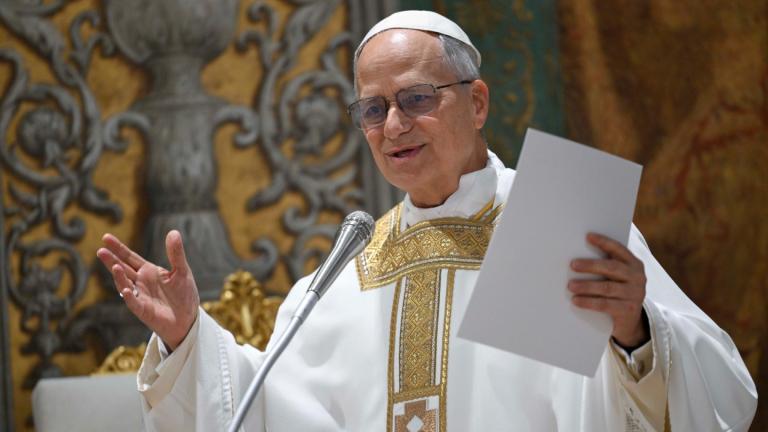
Pope Leo XIV spoke off-the-cuff in English in the Sistine Chapel to the cardinals who elected him to follow in the footsteps of Pope Francis, who put a commitment to social justice at the core of his papacy. He acknowledged the great responsibility they had placed on him before delivering a brief but dense homily on the need to joyfully spread Christianity.
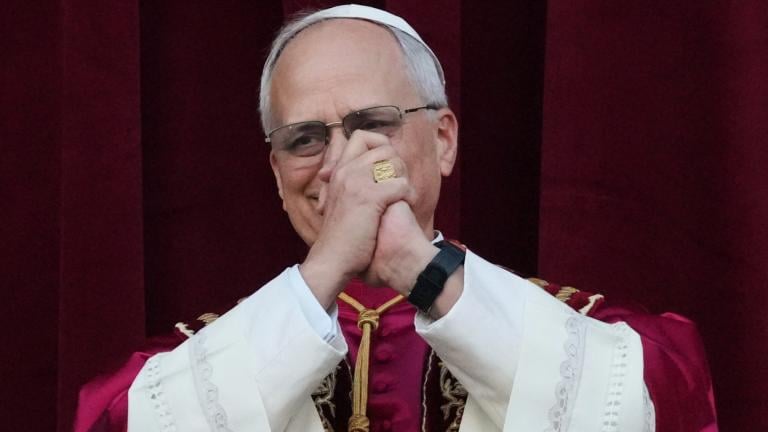
Cardinal Robert Prevost was born in Chicago, grew up in south suburban Dolton and served as prior of a local Augustinian order. He will now be known as Pope Leo XIV.
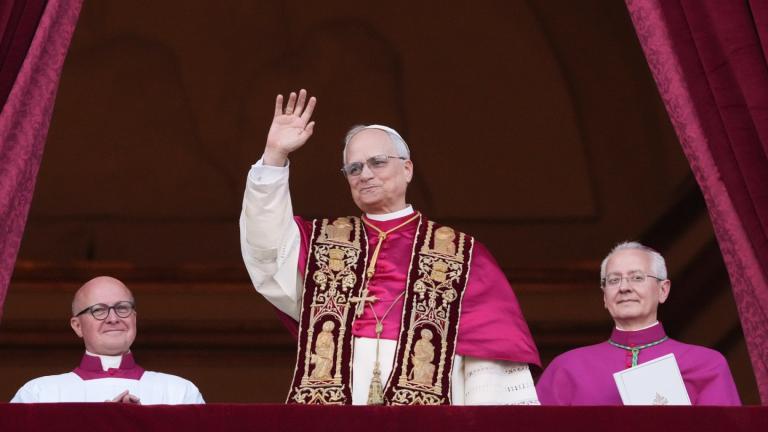
White smoke poured from the chimney of the Sistine Chapel and the great bells of St. Peter’s Basilica tolled Thursday after cardinals elected the 267th pope to lead the Catholic Church on the second day of their conclave.
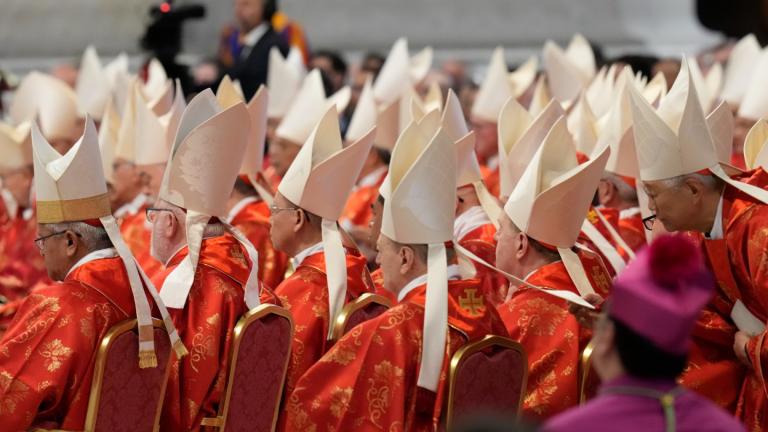
With all the pomp, drama and solemnity that the Catholic Church can muster, 133 cardinals on Wednesday began the secretive, centuries-old ritual to elect a successor to Pope Francis.
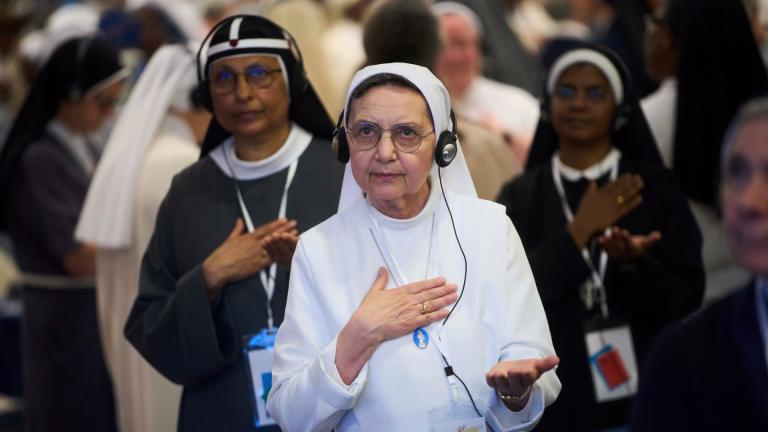
They don’t have a vote in the pope’s election, but nearly 900 superiors of the world’s female Catholic orders met in Rome on Monday to chart a course forward, a few miles from where cardinals will gather in a conclave to choose a successor to Pope Francis.
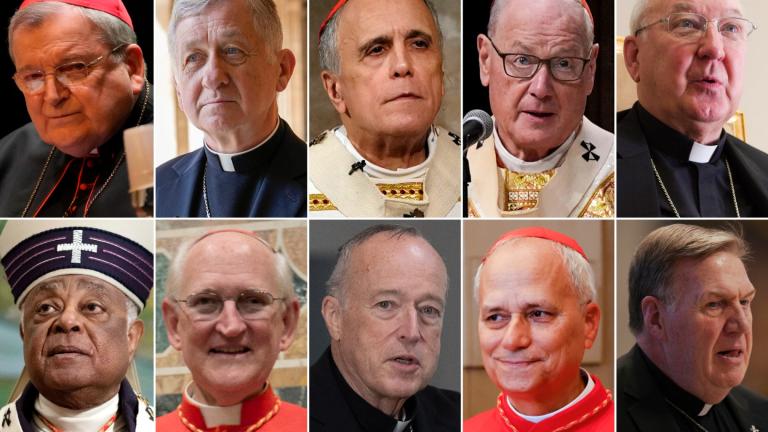
The United States is the home country for 10 of the 133 cardinals eligible to vote for the next pope. That’s more than any nation except Italy, home to 17 of the electors who will gather Wednesday for the Vatican conclave to choose the successor to Pope Francis.
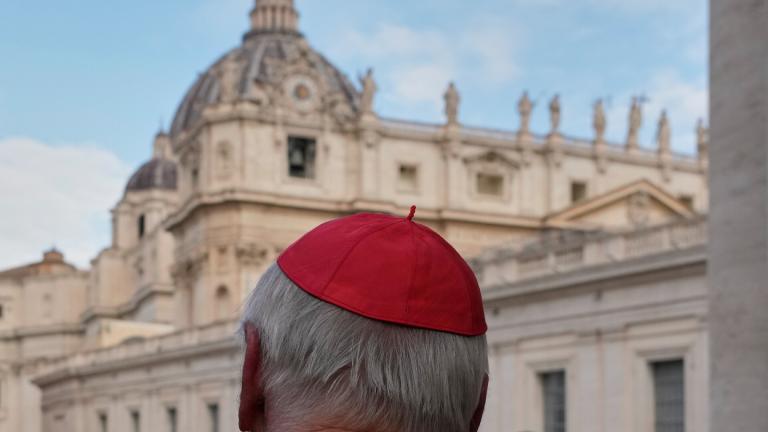
The cardinals set the date after arriving for the first day of informal meetings following Pope Francis’ funeral Saturday. In a chaotic scene, journalists shouted questions about the mood inside and whether there was unity.
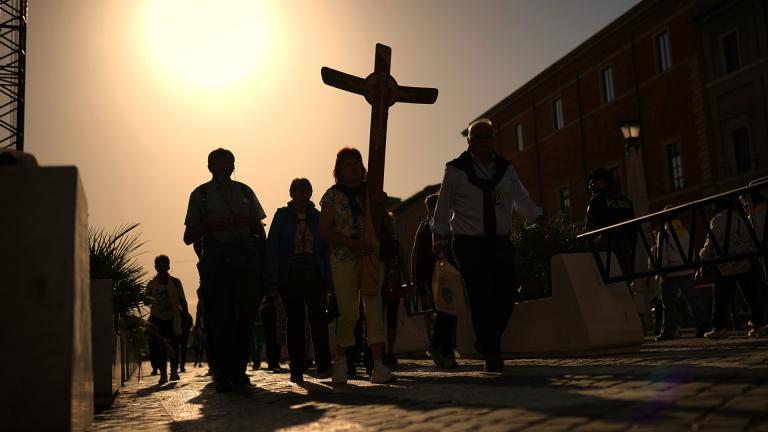
Pope Francis will be laid to rest Saturday after lying in state for three days in St. Peter’s Basilica, where the faithful are expected to flock to pay their respects to history’s first Latin American pontiff.
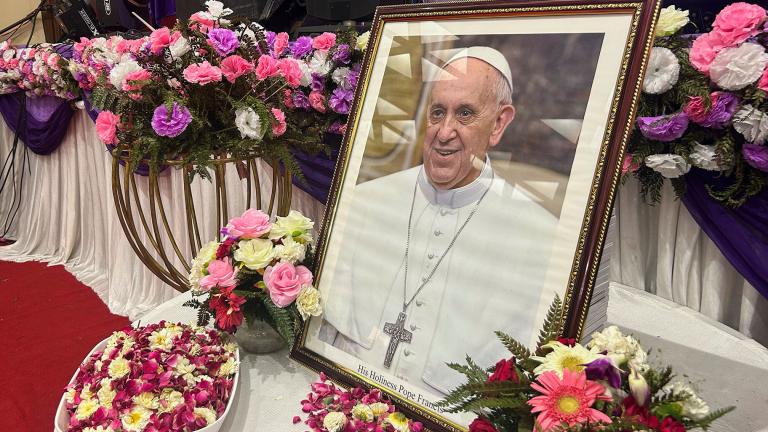
“We’re certainly going to mourn the loss of a truly wonderful leader, someone who was a great example, who lived their faith in word and action,” Auxiliary Bishop Lawrence Sullivan said. “But it’s also a time to really be grateful for his phenomenal leadership.”
Trending
Early Voting for November General Election Kicks Off in Downtown Chicago
Uptown Theatre Added to Open House Chicago, Catch a Rare Glimpse Inside Gilded Jewel
City Lawyers Propose Spending $260.8M to Settle 16 Cases Tied to Disgraced Ex-CPD Detective Guevara

Family of Renee Good Sues Trump Administration, ICE Agents Months After Fatal Shooting in Minneapolis
‘Broadview Six’ Judge Says More Answers Needed About Prosecutors’ Conduct in the Botched Case
Sign up for the WTTW News newsletter