

Budget
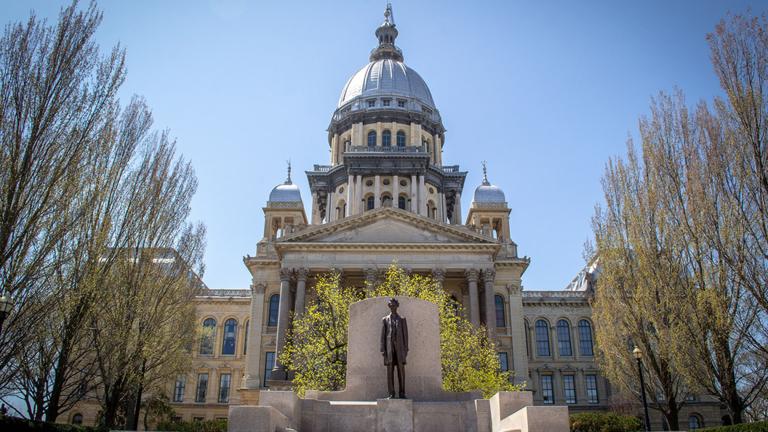
Civic Federation Says Illinois Should Extend Sales Tax to Services to Help Bridge $3B Budget Deficit
“By applying the sales tax only to goods and a small number of services, Illinois is missing the ability to tax much of the spending within its borders,” the nonpartisan Civic Federation said in its latest report.

As a new General Assembly begins, it remains unclear how lawmakers and the governor plan to plug the projected deficit. Republicans’ main concern is Democrats will resort to tax increases to boost revenue and avoid spending cuts.

Mayor Brandon Johnson slammed S&P’s decision to downgrade the city’s credit rating, saying it was based on inaccurate information.

The city’s spending plan relies on tax and fees hikes of $165.5 million, including a 2% increase in the tax levied on software licenses, cloud services and other digital goods as well as a 1.25% increase on subscriptions to streaming and cable television services.

Chicago’s $17.1 billion spending plan is now in place for 2025 — but it didn’t come easily. Forceful pushback from alderpeople blocked property tax hikes — but the budget still includes $165.5 million in additional taxes and fees to generate revenue.
Two key Chicago City Council committees voted Tuesday to send Johnson’s $17.3 billion spending plan for 2025 to the full City Council for a final vote. The two-step process is set to start Wednesday, with a final vote scheduled for Friday.
“The level of compliance is unsatisfying to the public,” U.S. District Court Judge Rebecca Pallmeyer said. “I am determined that we will be seeing good progress ... in 2025. Let’s accelerate the progress.”
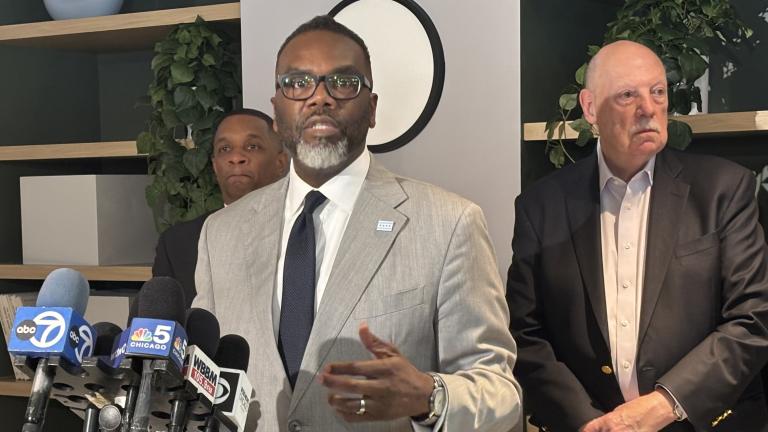
“A budget that would lay off workers and cut services is just, you know, one that should not be tolerated by any Chicagoan,” Mayor Brandon Johnson said.
The new plan comes after the Chicago City Council rejected Johnson’s first two proposals to raise property taxes in order to avoid draconian cuts to city services and thousands of layoffs.
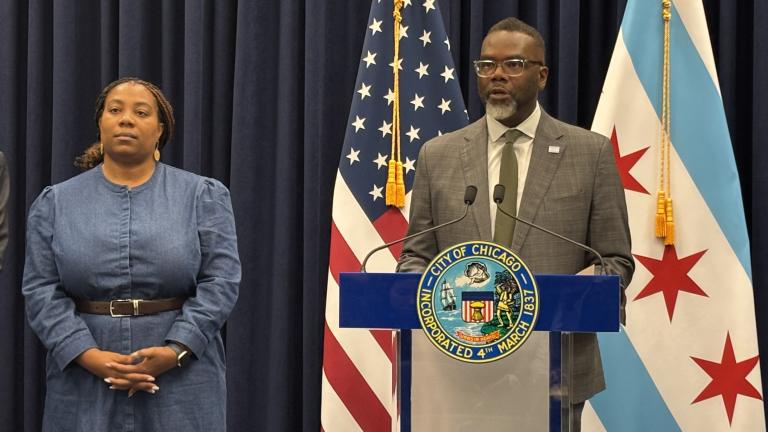
“I get the noise around my administration,” Mayor Brandon Johnson said. “I’m doing it differently, and I know it feels a certain way, but I’m doing it better. I am. We’ll have a balanced budget that invests in people.”
Mayor Brandon Johnson said he will ask the Chicago City Council to restore 162 now-vacant positions to the Chicago Police Department charged with implementing the court order known as the consent decree. Johnson reversed course after Illinois Attorney General Kwame Raoul and the team monitoring the city’s compliance with the consent decree warned the cuts would make it impossible for the city to comply with the requirements.
If the mayor’s spending plan is approved by the City Council, 79 vacant positions charged with implementing the court order known as the consent decree would be eliminated, records show. Those cuts will make it impossible for the city to comply with the requirements of the court order, reform advocates said.
Board members said improved communication will be key to the agency’s survival as it faces down a projected $539 million fiscal cliff in 2026, after the CTA runs out of pandemic-era relief funding that’s been keeping its operating budget afloat in the first quarter of that year.
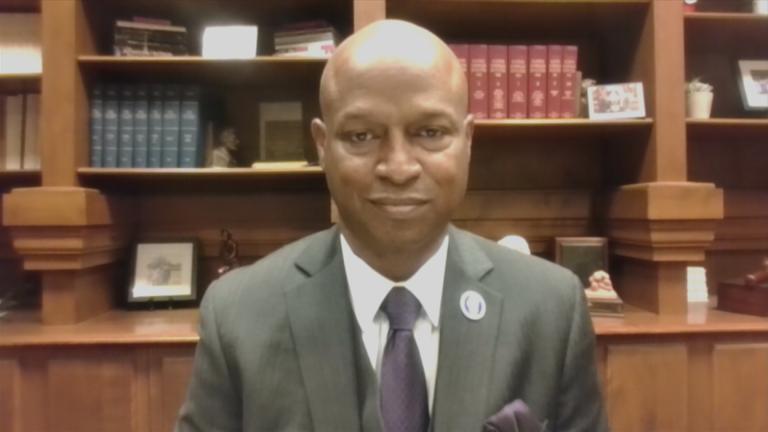
Democratic leaders — who kept their veto-proof majorities in both the state House and state Senate — are discussing what, if any, actions Illinois may take to “shore up” protections ahead of a second Trump presidency.
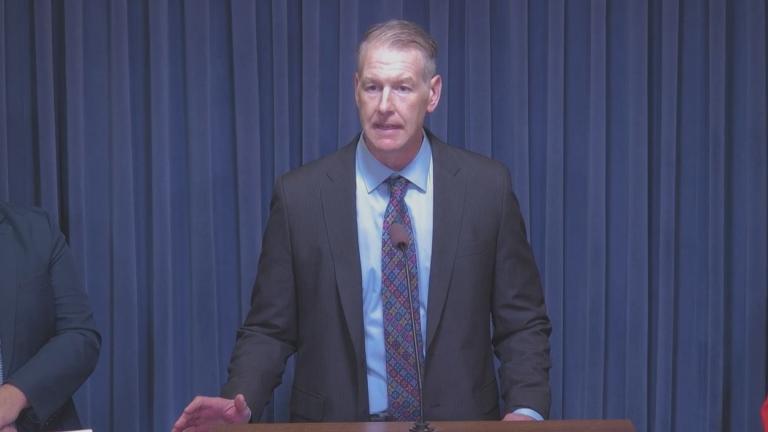
State Sen. John Curran at a press conference Tuesday called on Gov. J.B. Pritzker to pledge not to raise taxes, either on individuals or businesses.
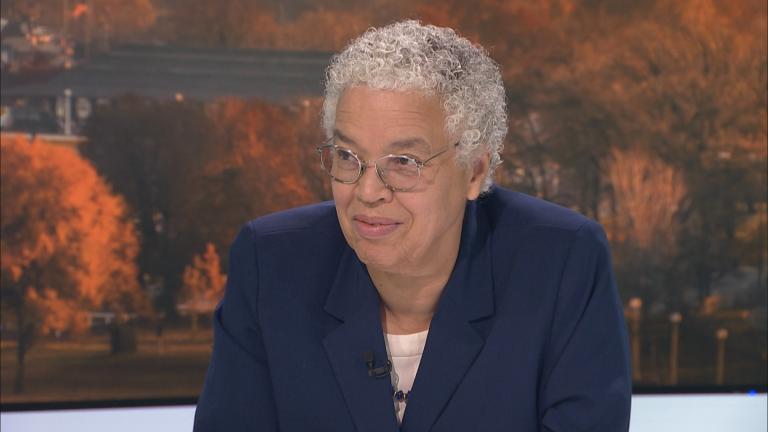
Preckwinkle’s $9.9 billion plan calls for investments in opioid addiction remediation, community violence intervention, firming up how generative artificial intelligence can be used, adding employees at the assessor’s office to help with property valuations and adding solar panels to county properties.
Trending
A CTA Bus Driver Was Attacked on the Job. She Was Later Fired While on Leave

Top Cop Agrees to Fire Chicago Police Officer Who Repeatedly Used Racial Slurs: Records

Pritzker, Bailey Square Off in Contentious Discussion Over Taxes, Trump and Bears

After City Council Refused to Settle, Jury Rejects Lawsuit Filed by Family of Woman Killed by Driver Chased by CPD
Changes Are Coming to CTA, Metra and Pace. Hear From the Leaders of Their New Oversight Agency

Sign up for the WTTW News newsletter